“Soviet Yiddish”
Review
Review of Shira Gorshman’s Hanah’s Sheep and Cattle, translated by Edith Otchin McCrea
Harriet Murav

An unflinching account of a woman who lived a passionate and committed life at a time of enormous destruction and chaos.
May 27, 2026
Review
Review of Socialist Yiddishlands: Language Politics and Transnational Entanglements between 1941 and 1991, edited by Miriam Chorley-Schulz and Alexander Walther
Nick Underwood
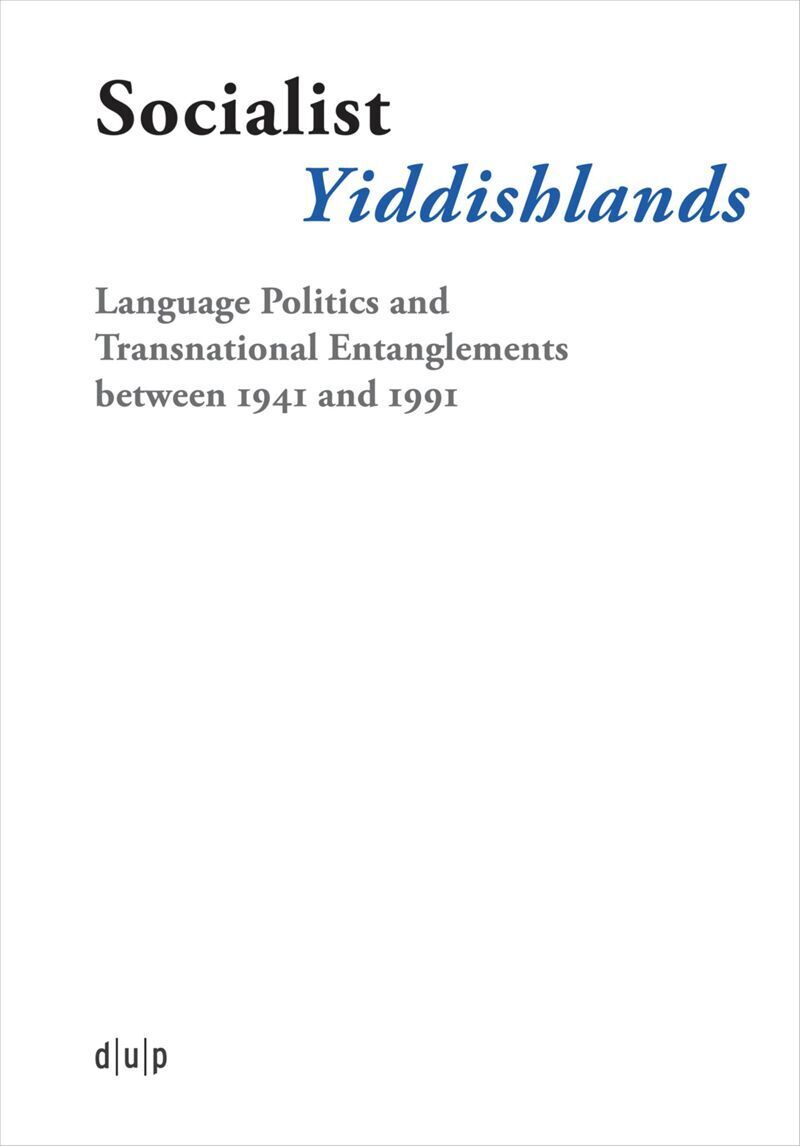
Socialist Yiddishlands sets the stage for what could be a shift in how scholars think about the relationships among Yiddish, the Cold War, the effects of the Cold War on Jews around the world, the Soviet Bloc countries, and the lived realities of those who actively participated in the development of state socialism.
Jan 05, 2026
Blog
Nathan Altman: An Artist "Between Two Worlds"
Jennifer Stern
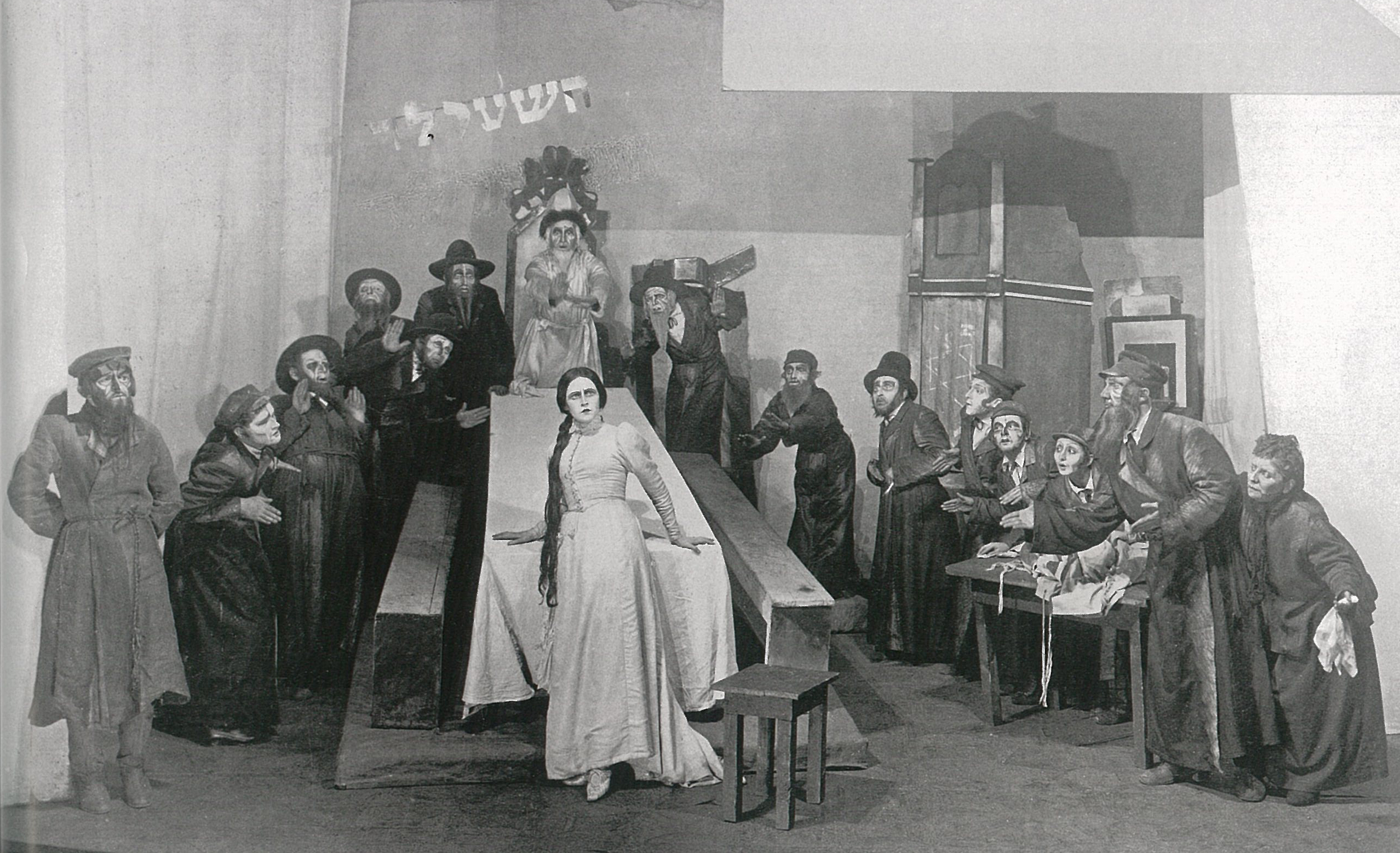
This essay about Yiddish-speaking artist Nathan Altman, written in French by Dr. Pascale Samuel, is from the catalogue accompanying the exhibition “The Dybbuk: Phantom of a Lost World,” on view at Musée d’art et d’histoire du Judaïsme [Museum of the Art and History of Judaism] (mahJ) in Paris through January 26, 2025.
Dec 05, 2024
Blog
Exhibition “NATO In Yiddishland” in Berlin Gets Viewers Asking Illuminating, If Uncomfortable, Questions
Jordan Lee Schnee
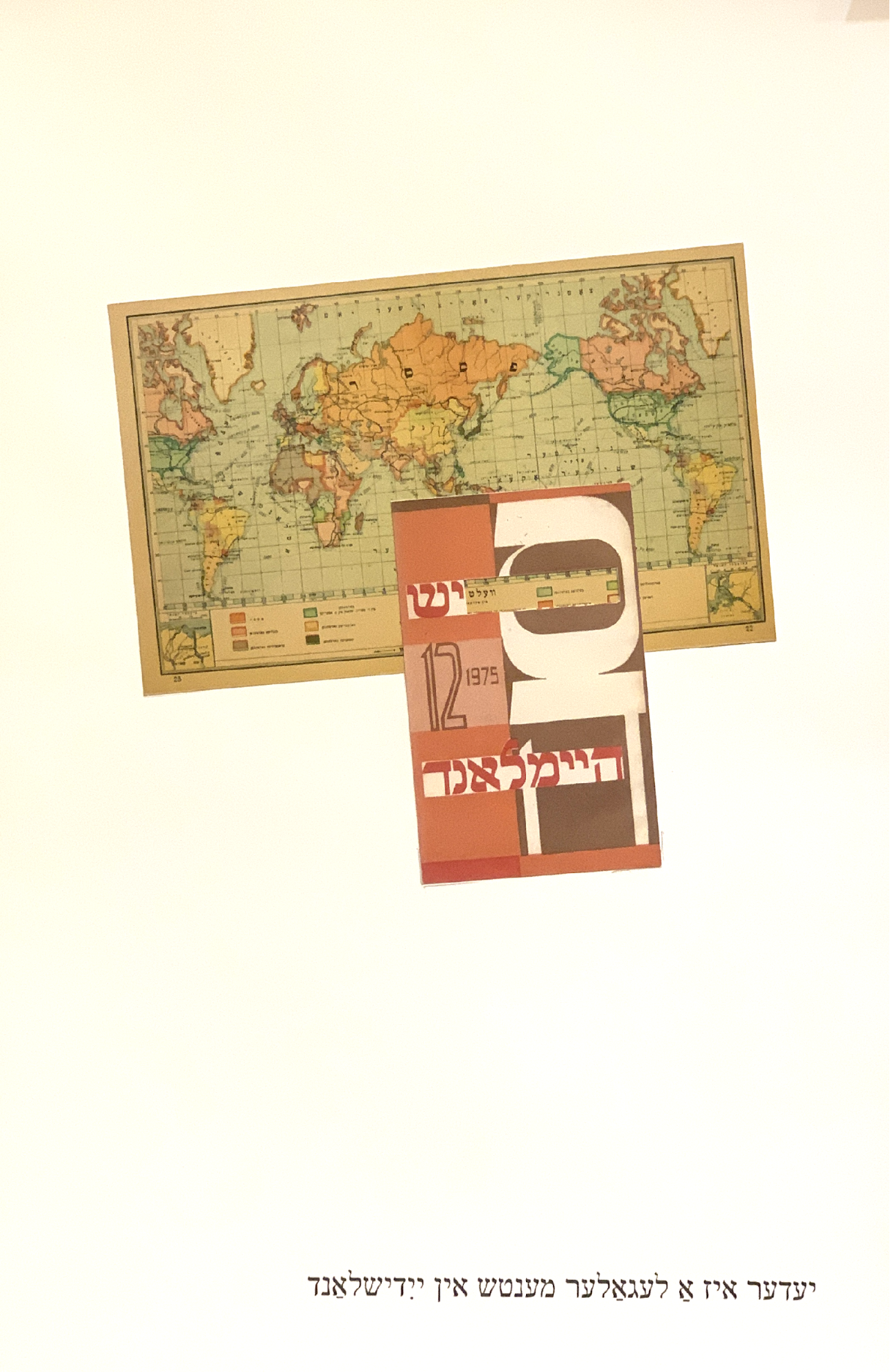
There is a lot that Yevgeniy Fiks wants us to unforget.
Oct 18, 2024
Review
Review of Sasha Senderovich's How the Soviet Jew Was Made
Nobuto Sato
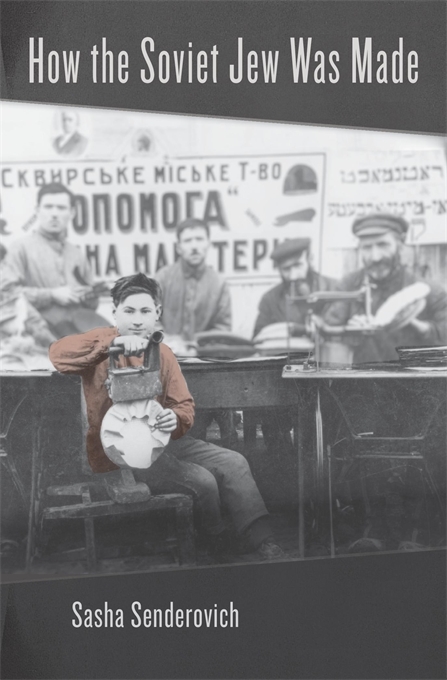
In this recently-published study, Senderovich challenges this fixed notion of the Soviet Jew, and recounts a complex prehistory of the Soviet Jew in the immediate context of interwar Soviet culture.
Feb 27, 2023
Blog
Briv funem arkhiv: An American Package for Soviet Jews
Sasha Senderovich
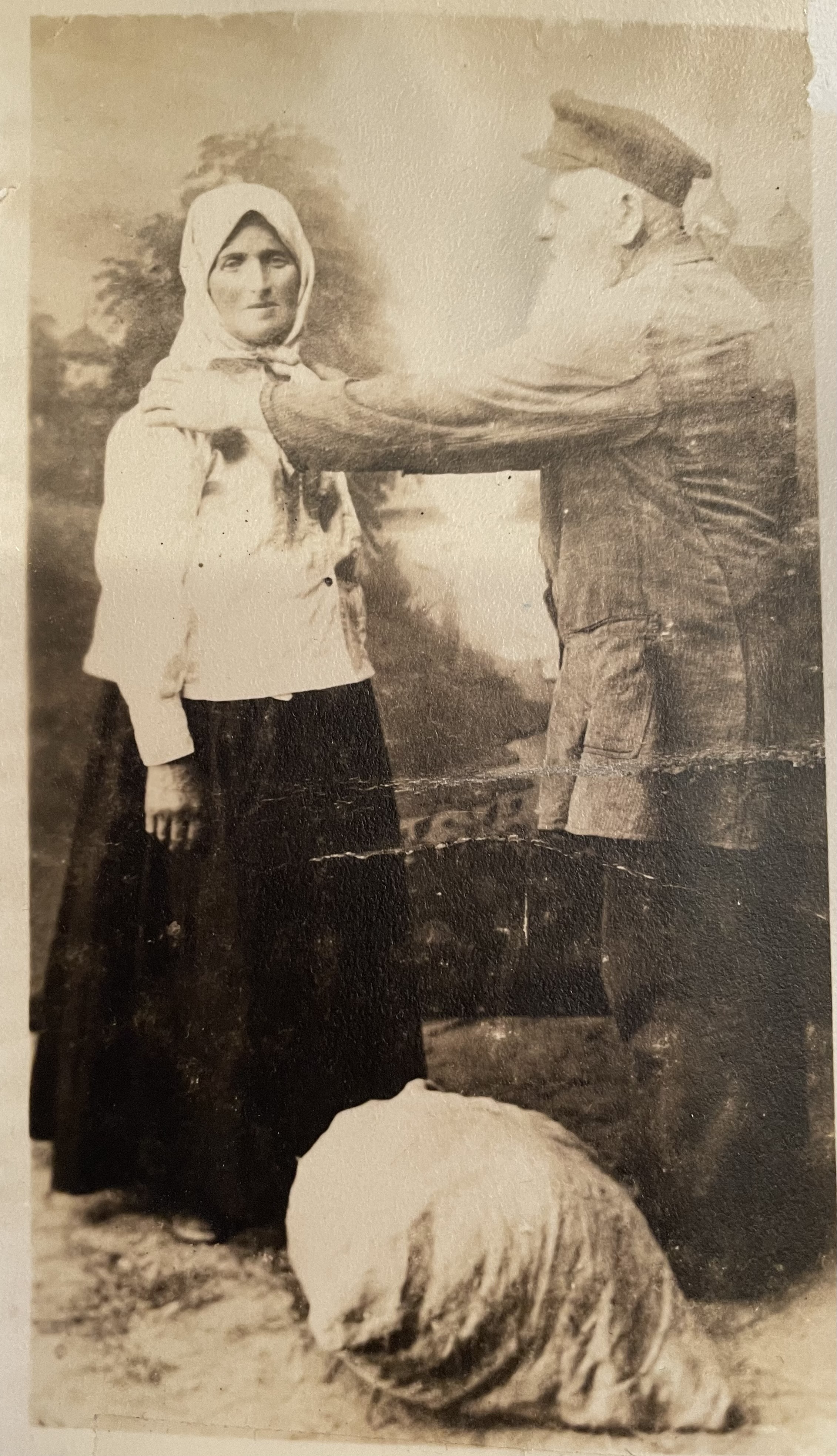
A melodramatic studio photograph illustrates the widening gap between the American and Soviet branches of the author's family.
Jan 18, 2023
Article
‘Brother Jews of the Entire World!’ Bergelson, Hofshteyn, and Soviet-Yiddish in the Worldwide Jewish Family
Brett Winestock
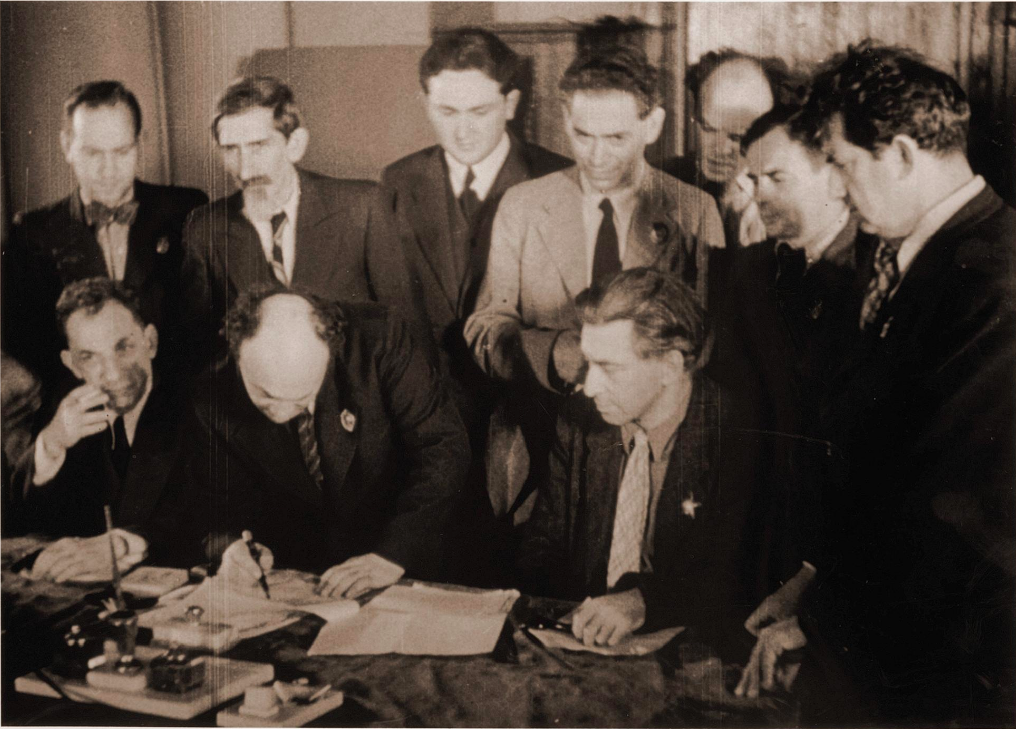
This article looks at the wartime artistic and journalistic output of Dovid Bergelson and Dovid Hofshteyn to see how these writers appropriated Soviet terminology to paint Soviet Jews as the elder brothers in a worldwide Jewish family.
Nov 01, 2022
Blog
Soviet Ambivalence and Yiddish Continuities at “Hidden in Plain Sight: Yiddish in the Socialist Bloc and its Transnationality”
Julie Sharff
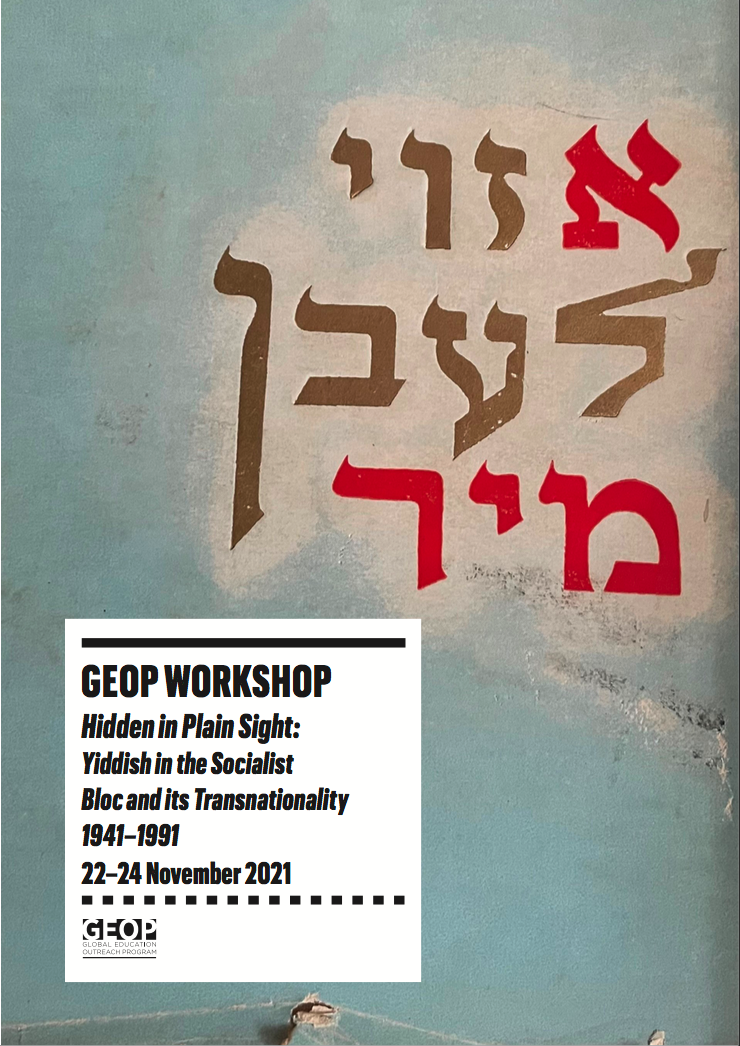
In its multilingualism and multivocality, this workshop on Cold War Yiddish was an anti-eulogy that spoke to afterlives instead of endings.
Mar 29, 2022
Review
Sisyphus: A Review of Harriet Murav's David Bergelson’s Strange New World: Untimeliness and Futurity
Miriam Schulz
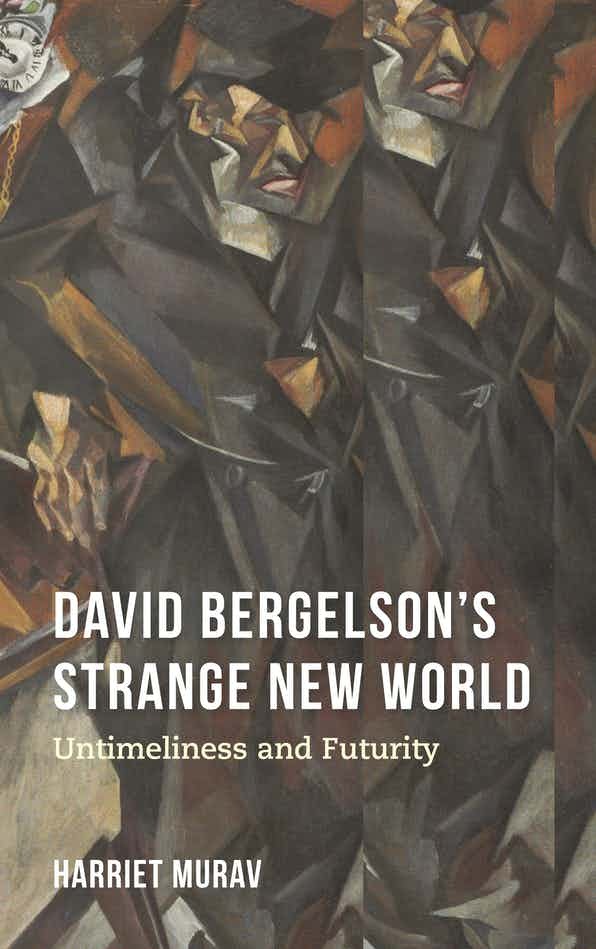
With this monumental study, Harriet Murav provides the first comprehensive literary biography of Bergelson and a rich intercultural contextualization of the Yiddish writer’s work
Dec 08, 2021
Texts & Translation
Selections from Neger-Dikhtung in Amerike (Negro-Poetry in America)
Anita Scott Coleman , Angelina Weld Grimke and Clarissa Scott Delaney
Translation by Robert Magidoff
Edited by Eli Rosenblatt
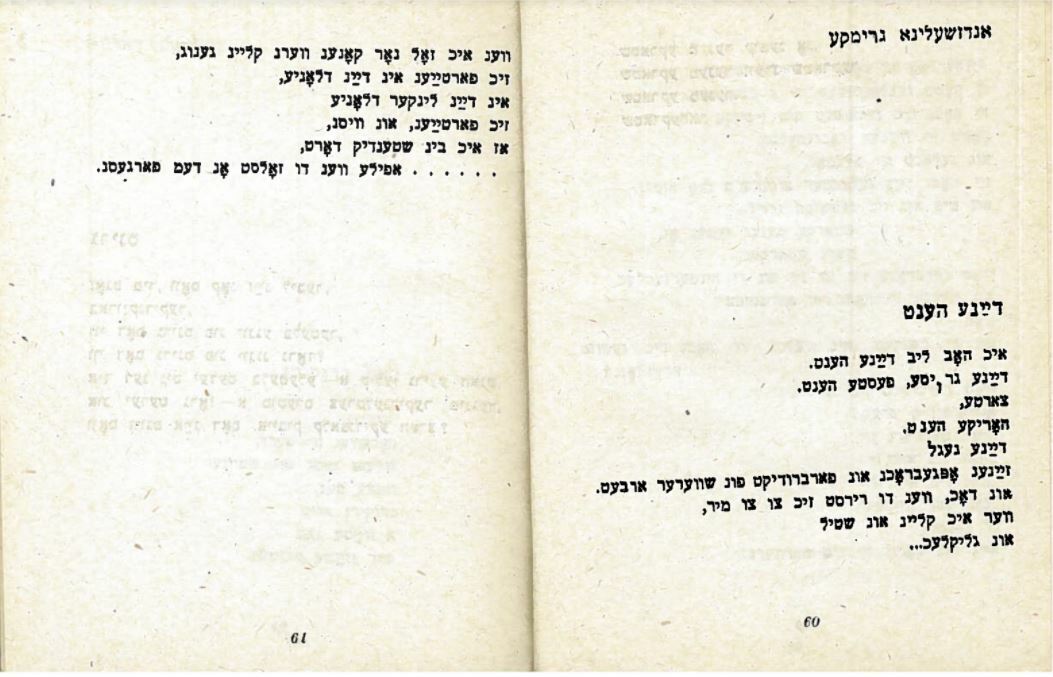
Eli Rosenblatt introduces three poems by African American women poets of the Harlem Renaissance, translated into Yiddish by Robert Magidoff for the 1936 anthology Neger-Dikhtung in America (Negro-Poetry in America), published in Moscow.
Jun 25, 2021
Review
Review of Der Nister’s Soviet Years: Yiddish Writer as Witness to the People by Mikhail Krutikov.
Roy Ginsberg
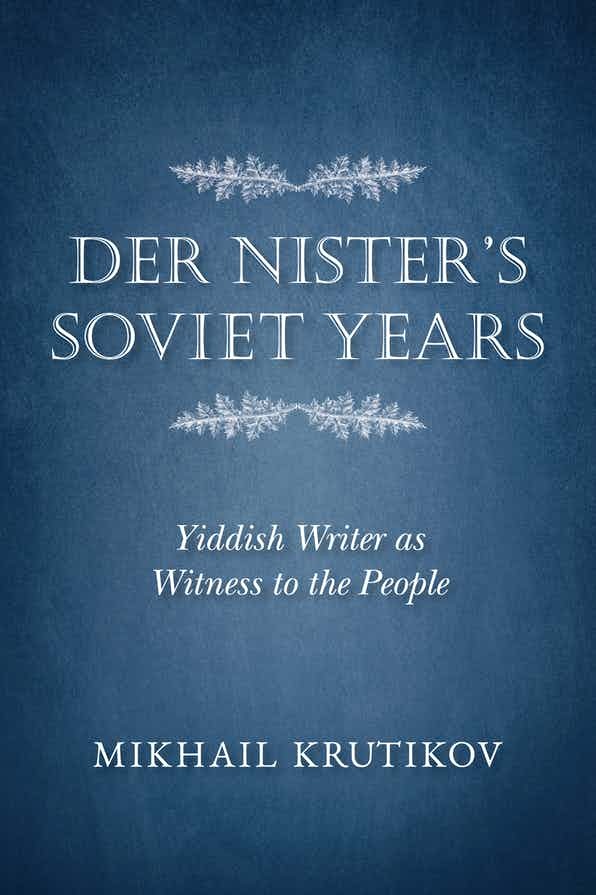
Krutikov’s philological skillset and meticulous archival research shine throughout this book, a landmark study of both Der Nister and Yiddish literature under Stalin.
Jan 12, 2021
Review
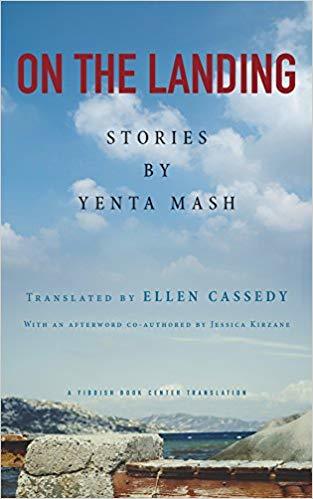
Review of On The Landing: Stories by Yenta Mash translated by Ellen Cassedy
Allison Schachter
Jun 24, 2019
Blog
"Himl un Erd: Artifacts, Imagination, and Speculative Russian Jewish Pasts and Futures"
Yaakov Lipsker
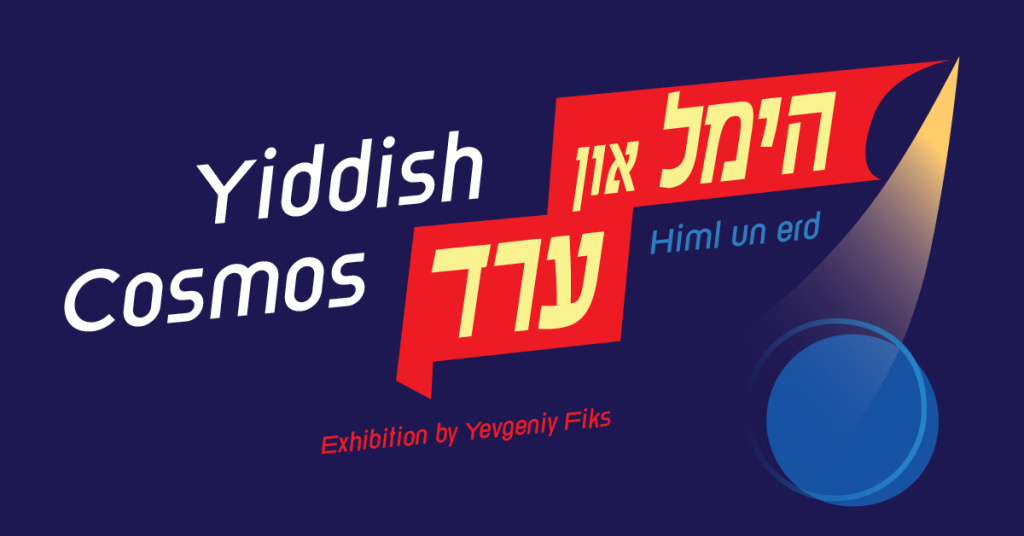
Lipsker reviews Yevgeniy Fiks's exhibition Himl un Erd, a project that boldly probes the connections between Russian-Jewish history and the Soviet space-exploration projects.
Dec 14, 2018
Review
How to be Both: Officials and Artists Vying for the Limelight
Iaroslava Strikha
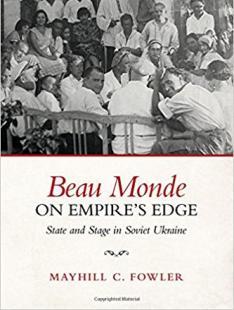
Mayhill Fowler's book shines light on the blind spots of national cultural histories of turn of the century Ukraine, following the often uneasy interface between authorities and art institutions.
Mar 26, 2018
Review
Judgment
Boris Dralyuk
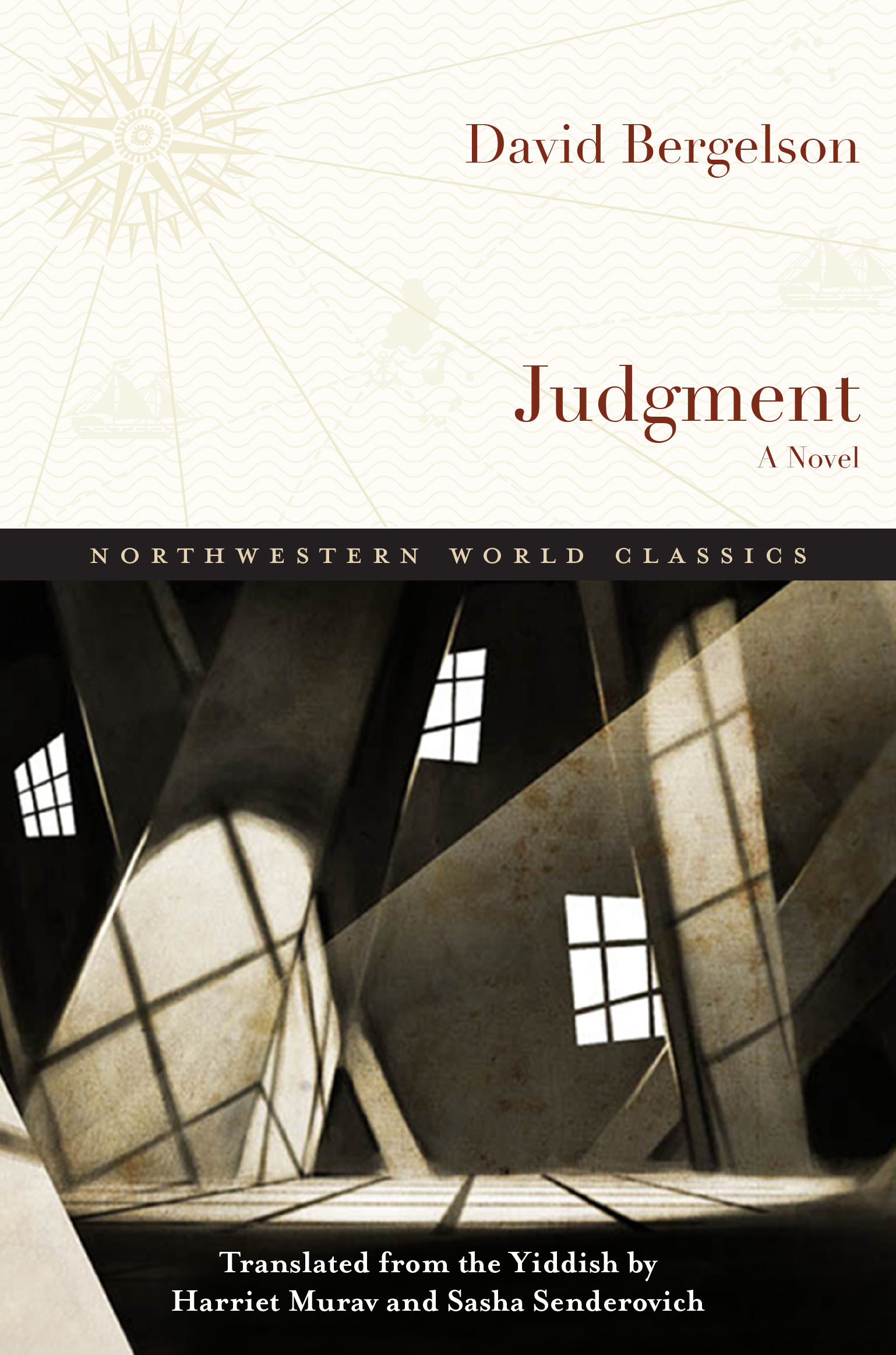
In time for the one hundredth anniversary of the October revolution, Dovid Bergelson's novel Mides-hadin is out in a new translation by Harriet Murav and Sasha Senderovich.
Nov 07, 2017
Review
“The Worst Good Idea Ever”? The Birobidzhan Project and Soviet Jewish Culture
Natalie Belsky
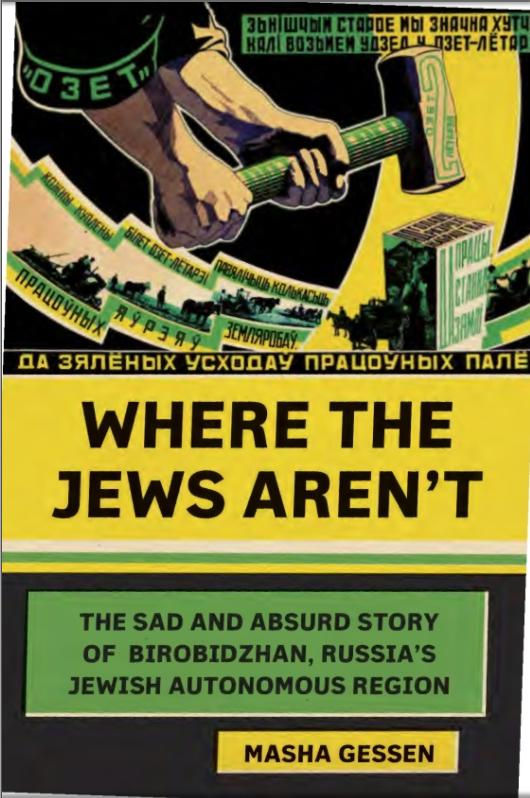
Masha Gessen's new book explores the history of the Jewish Autonomous Region of Birobidzhan through the story of David Bergelson and Simon Dubnow, whose thought and writing influenced its development.
Jun 26, 2017
Blog
We Are More Than the Oppressions We Are Forced to Bear: On Being Queer and Jewish in Moscow
Joseph Heller
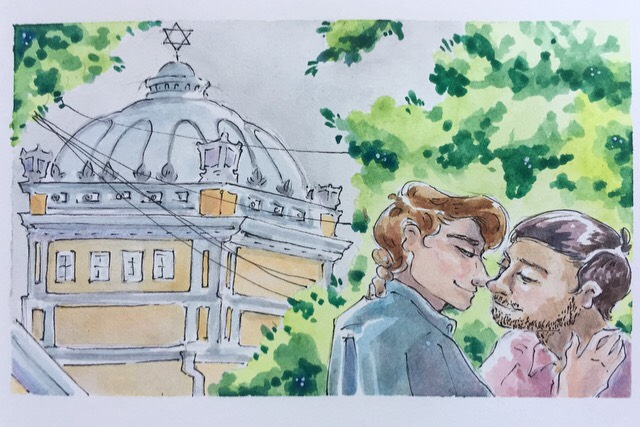
Joseph Heller reflects on oppression, solidarity, mutual prejudice, and Yevgeniy Fiks' new book.
Apr 05, 2017
Interview
Imagining a Dictionary for Solidarity: A Conversation with Artist Yevgeniy Fiks on Russian, Yiddish, and Transnational Queer Dialects
Anna Elena Torres
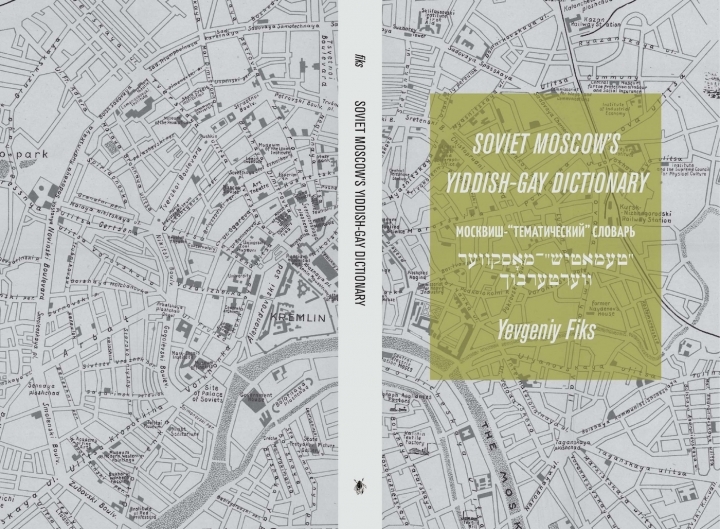
Anna Elena Torres talks with Yevgeniy Fiks about Internationalism, queer politics, utopias and imaginary mapping, and Soviet Yiddish.
Apr 05, 2017
Interview
An Interview with Boris Sandler
Sarah Ponichtera
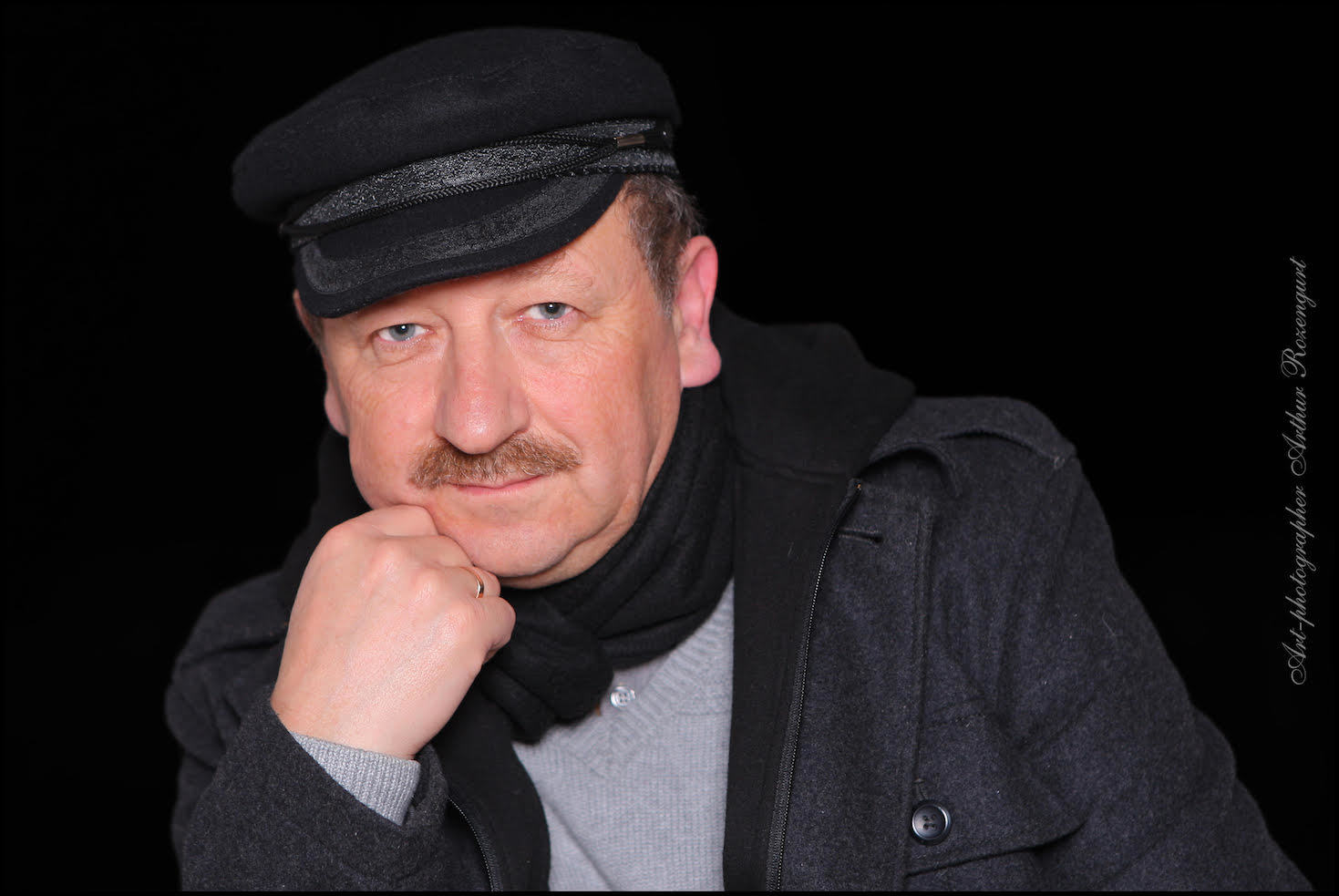
The longtime editor of the Yiddish Forverts and author of fourteen books spoke with Sarah Ponichtera about growing up in Soviet Moldavia, being an immigrant, and reading.
Mar 06, 2017
Interview
Jews in the Archives: A Conversation with Gennady Estraikh
Sarah Ellen Zarrow
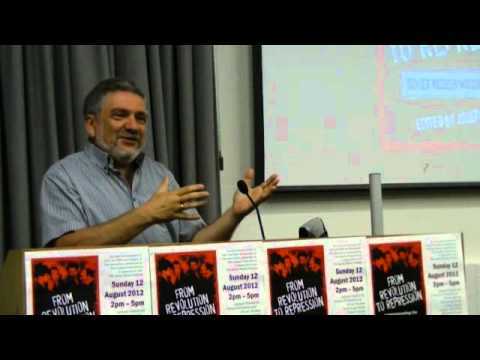
Gennady Estraikh speaks with Managing Editor Sarah Ellen Zarrow about the groundbreaking project “A Comprehensive History of the Jews of the Soviet Union,” a seven-year initiative led by researchers in NYU’s Skirball Department of Hebrew and Judaic Studies.
May 26, 2016
Texts & Translation
דער פֿערציקיעריקער מאַן
The Forty-Year-Old Man
Peretz Markish
Translation by Rose Waldman
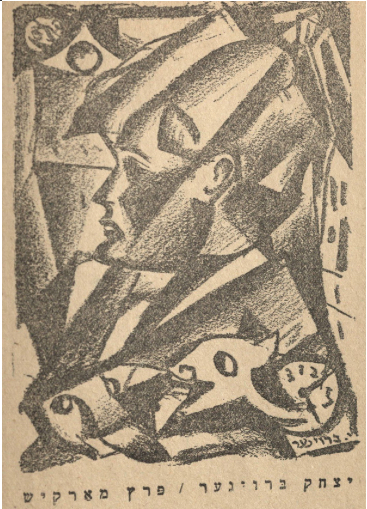
New translations of four sections from Markish's book-length modernist poem.
May 18, 2016
Interview
Dreams and Technicalities: Birobidzhan Reimagined in Song
Saul Noam Zaritt
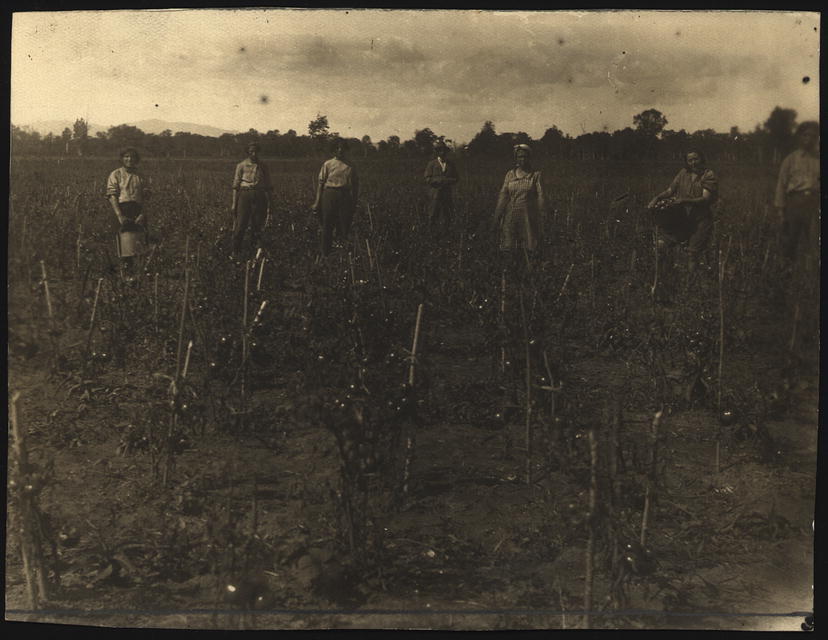
Listen to a contemporary rethinking of Birobidzhan, the longed-for but mostly imaginary Jewish territorial project.
Oct 18, 2015
Blog
A Clan on the Move: A Zelmenyaner Family Tree
Sasha Senderovich and David Coons
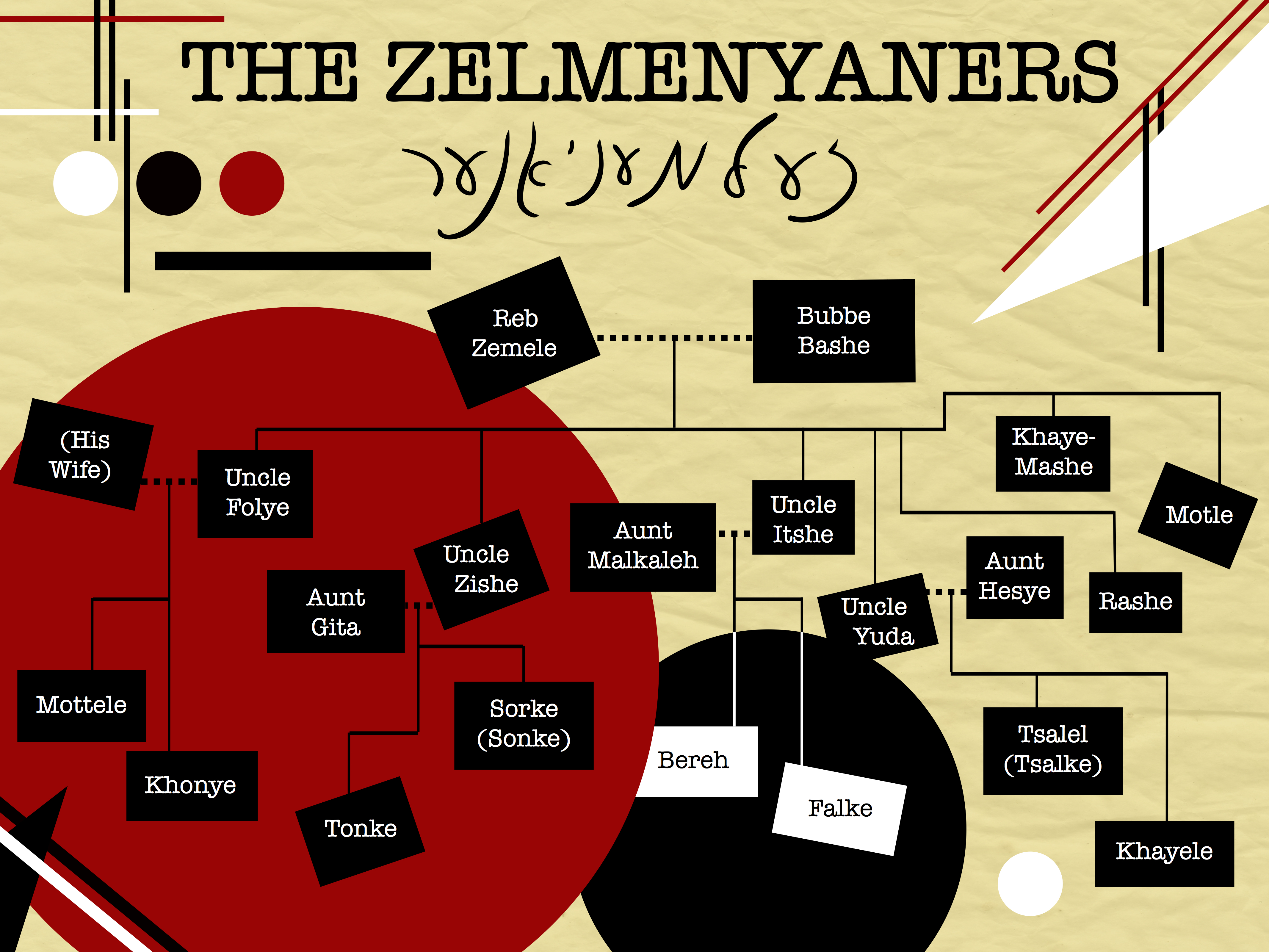
How to make sense of a family saga that charts the very creation of the Soviet Jew: begin by making a family tree.
Oct 13, 2015
Review
“To what might the yard have been compared?”
Madeleine Cohen
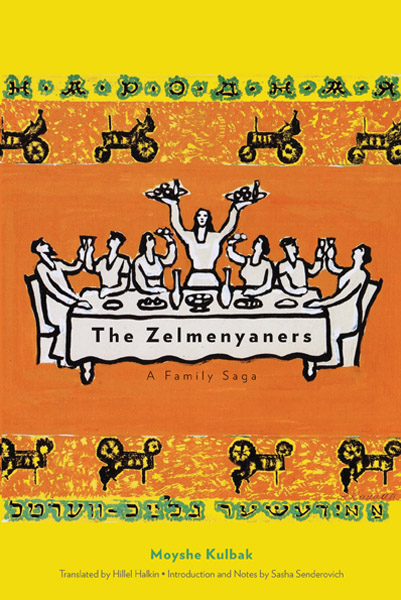
"Ach, the things a poor tailor has lived to see! We live in times when the coats go around making themselves." A review of a recent translation of Kulbak's Zelmenyaner.
Oct 11, 2015
Texts & Translation
מידת־הדין
Harsh Judgment
David Bergelson
Translation by Sasha Senderovich and Harriet Murav
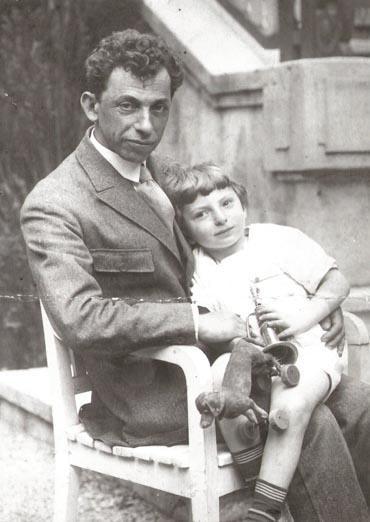
Mides hadin (1929) is one of David Bergelson’s most innovative and experimental works. An aura of mystery infuses the opening chapter: three riders go out on an evening patrol that seems more like dream than reality.
Aug 14, 2015
Interview
Ironic Inversions: Rare Soviet Yiddish Songs of WWII
Hannah Pollin-Galay
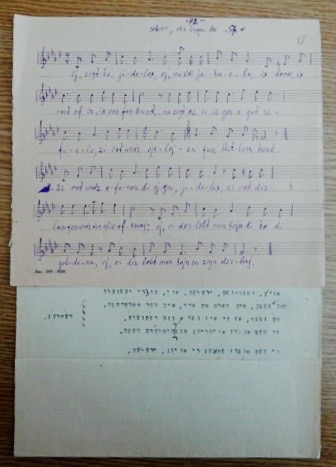
At the international symposium “Global Yiddish Culture: 1938-1949,” singer-songwriter Psoy Korolenko and Professor Anna Shternshis brought to life lost Yiddish songs of the Holocaust in an all-new concert and lecture program.
Aug 12, 2015