“Old Yiddish”
Blog
A Whole Life of Poems: Glikl Speaks in Sonnets
Jehanne Dubrow
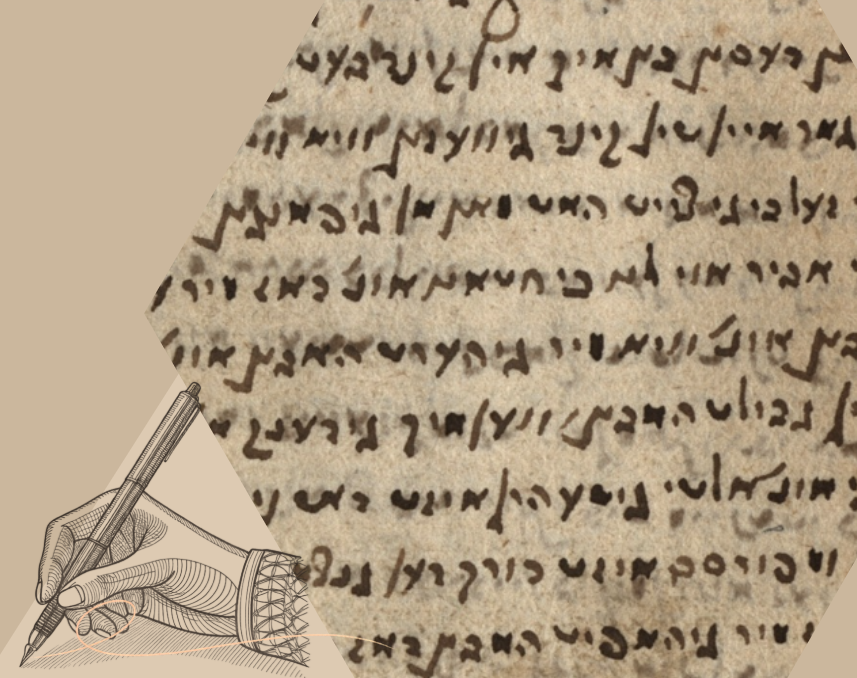
Glikl of Hameln—or Glikl bas Judah Leib, as she is also called—began to nudge at my thoughts two years ago.
May 21, 2026
Pedagogy
How to Read Without Text: A Book History Perspective on Tkhines
Nora Cornell
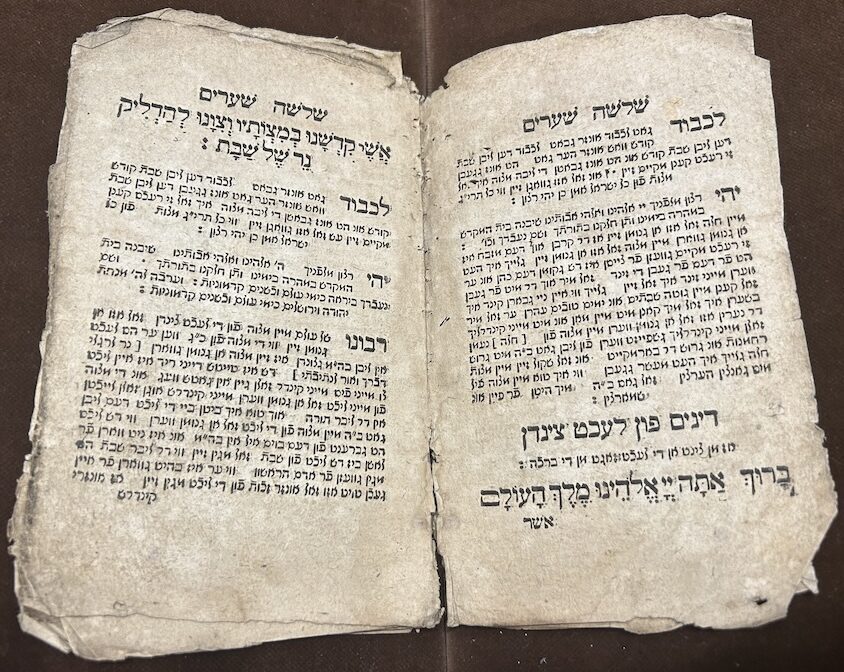
I stumbled backwards into the topic of tkhines and almost accidentally ended up on a yearlong (or really, year-plus) study of Yiddish-language women’s prayers. It was only then, after I’d already submitted the paper and the art piece and the final reflection, that I decided it might be time to actually learn some of the language I’d been studying around for more than twelve months.
Feb 23, 2026
Article
Old Yiddish Literature: Historical and Cultural Perspectives: A Special Issue of In geveb
Aya Elyada and Matthew Johnson
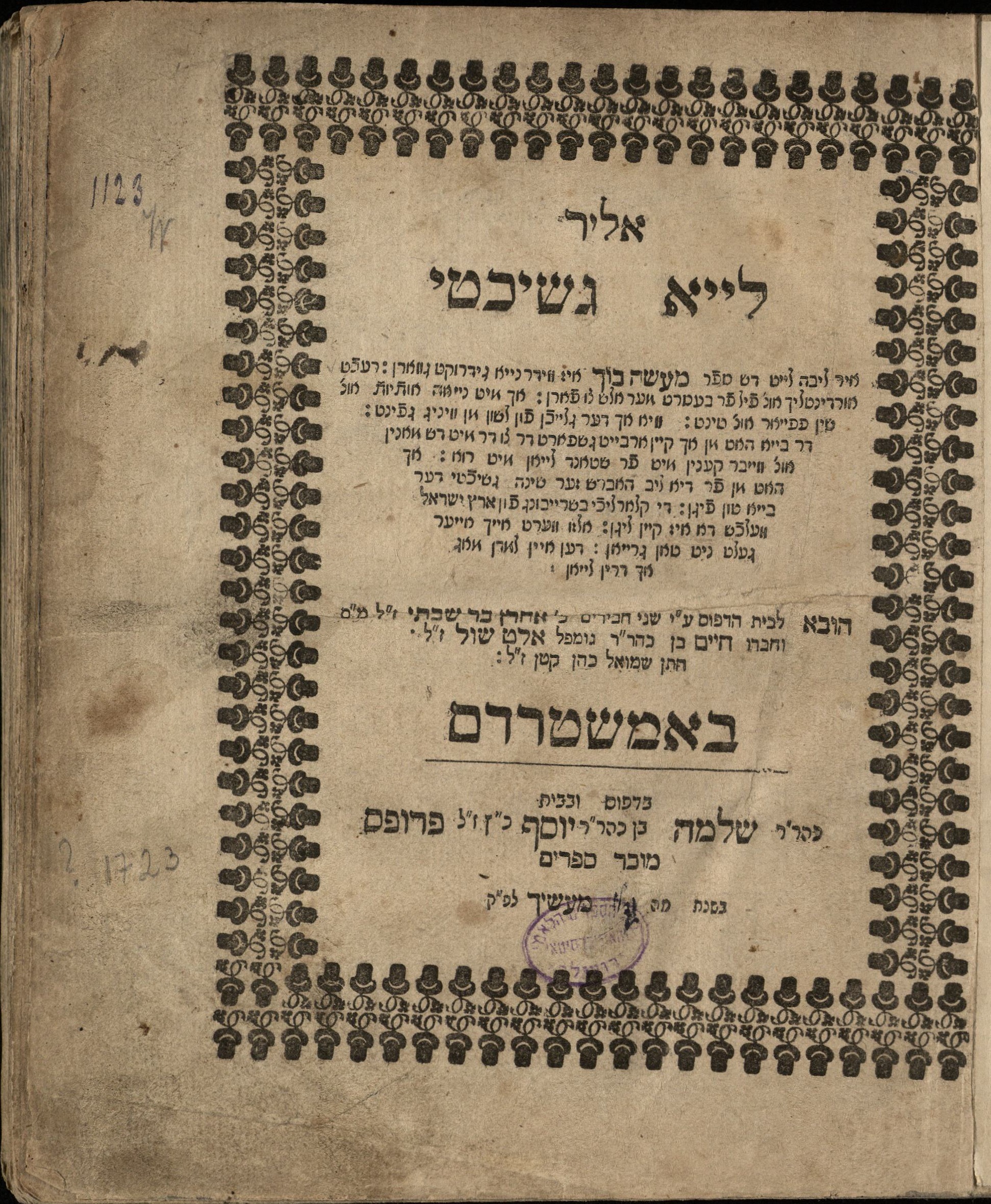
The introduction previews how contributions expand our knowledge of Old Yiddish literature, while also shedding light on the study of popular culture, intercultural exchange, and gender.
Jul 12, 2024
Blog
The Paratexts of Para-Liturgy: A Selection of Found Tkhine Poems
Dalia Wolfson
Through translation and creative writing - in the form of found poems - Dalia Wolfson explores the experiences of the women reciting tkhines in the Early Modern period.
Jul 12, 2024
Interview
Old Yiddish Scholarship in the Past, Present, and Future: An Interview with Chava Turniansky
Chava Turniansky and Aya Elyada
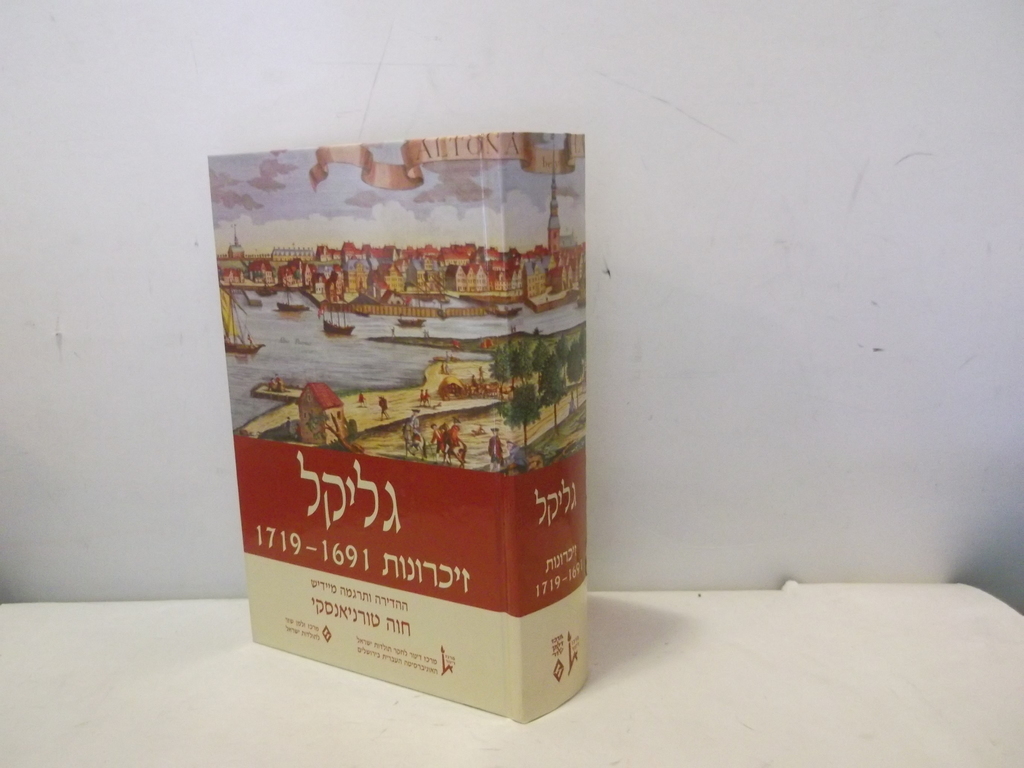
Aya Elyada interviews Chava Turniansky and discusses her career, her research, and the state of the field of Old Yiddish language and literature.
Jul 12, 2024
Article
On Editing the Old Yiddish Arthurian Romance Viduvilt
Astrid Lembke, Tatjana Meisler and Ina Spetzke
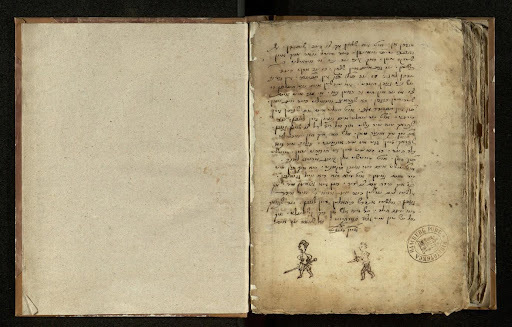
A report on the process of creating a scholarly edition of the Old Yiddish Arthurian romance Viduvilt.
Jul 12, 2024
Article
The Catalog of Thirty-One Kings: Thoughts in the Twenty-First Century on Old Yiddish Epic
Oren Cohen Roman
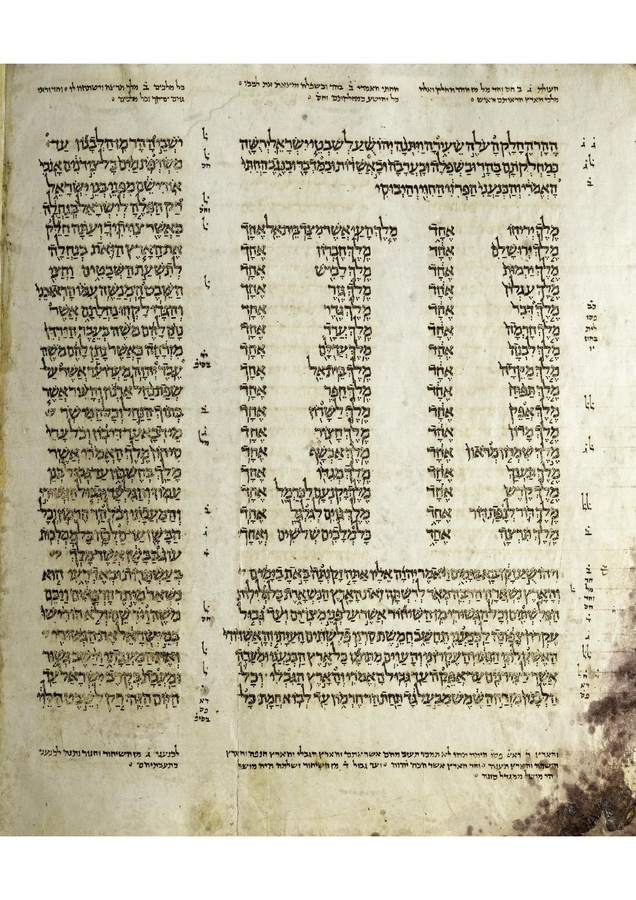
Focusing on a retelling of Joshua 12:7–24, this study demonstrates the role of the epic in the representation of biblical themes in Old Yiddish literature.
Jul 12, 2024
Article
The Writing Werewolf: Rabbinic Identity and Linguistic Understanding in the Old Yiddish Mayse-bukh (Book of Stories, 1602)
Annegret Oehme
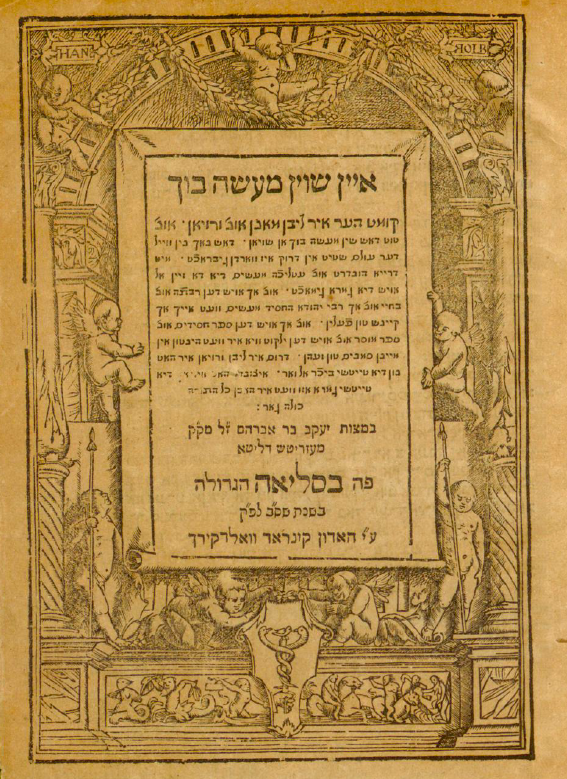
Language politics are embodied by a rabbi-turned-werewolf in a mayse from one of the most influential and popular early modern Yiddish books.
Jul 12, 2024
Article
The Dangers of Being without a Frame (Con licenza de Superiori)
Claudia Rosenzweig

By presenting rewritten Hebrew fables without an authorial frame-story, the Kü-bukh presents morals that are the very opposite of what could be expected.
Jul 12, 2024
Review
Review of Rebekka Voß's Sons of Saviors: The Red Jews in Yiddish Culture
Renate Evers
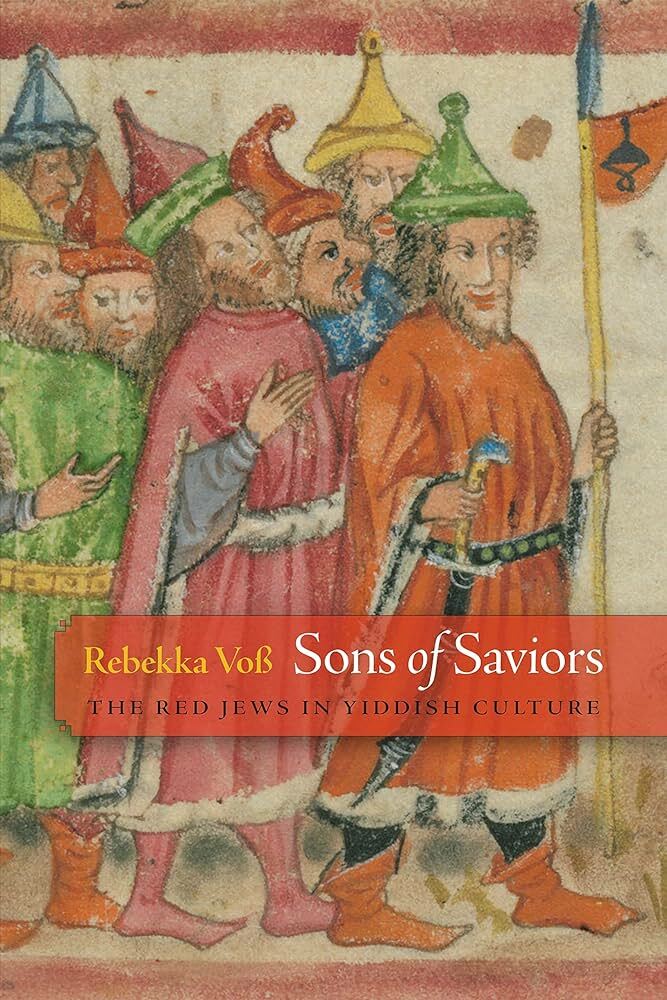
Seamlessly integrating historical analysis and contextual exploration of the “Red Jews” motif with investigations into counter-histories, this work delves into literary motifs and societal dynamics.
Jul 12, 2024
Article
Women Wrote: Glikl in Context
Rachel L. Greenblatt
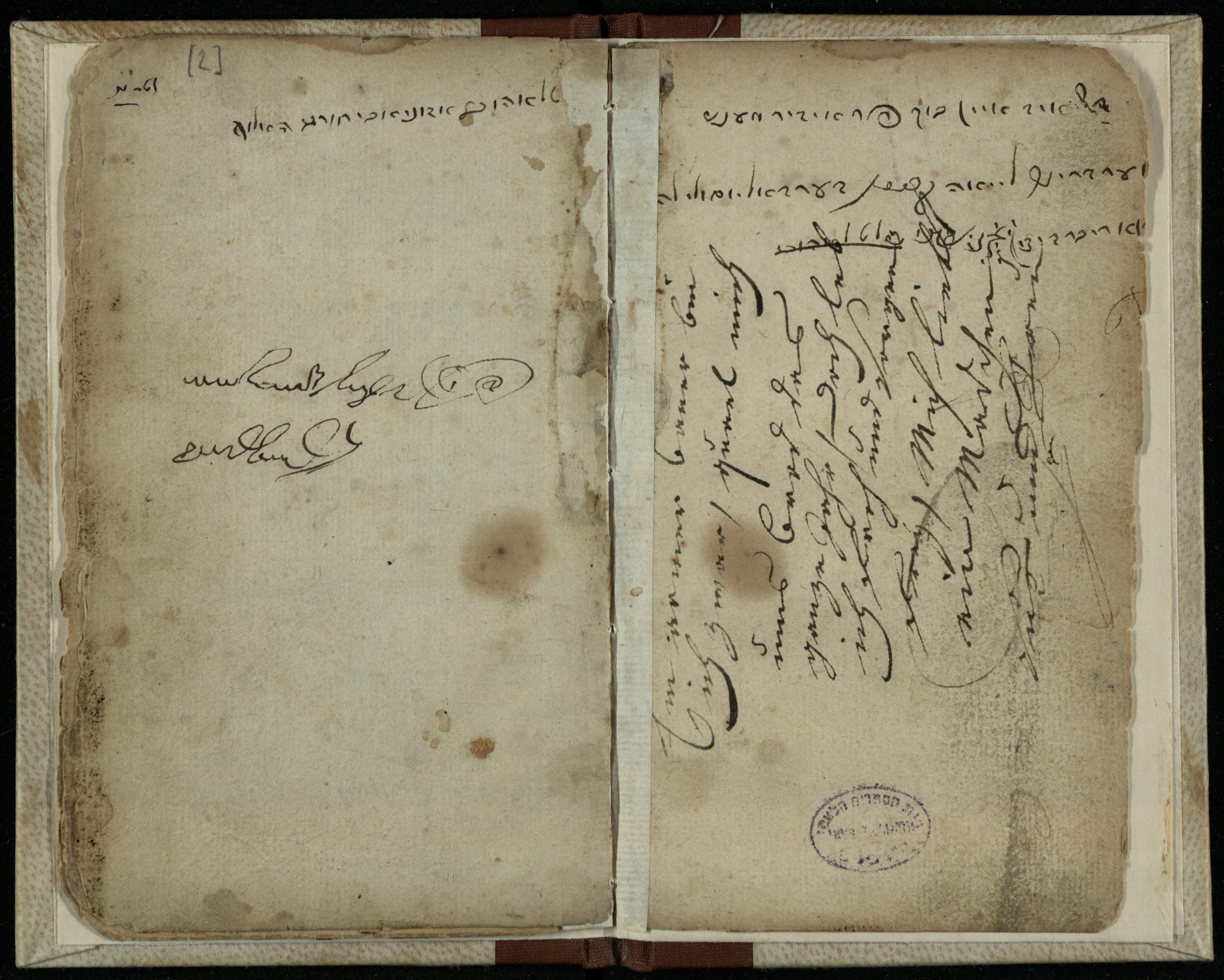
Placing Glikl's writing alongside writings by other contemporary women in central Europe reveals what characterized their shared literary and cultural context.
Jul 12, 2024
Article
A German Tune, A Hebrew Script: A Yiddish Translation of Lutheran Liturgy
Roni Cohen
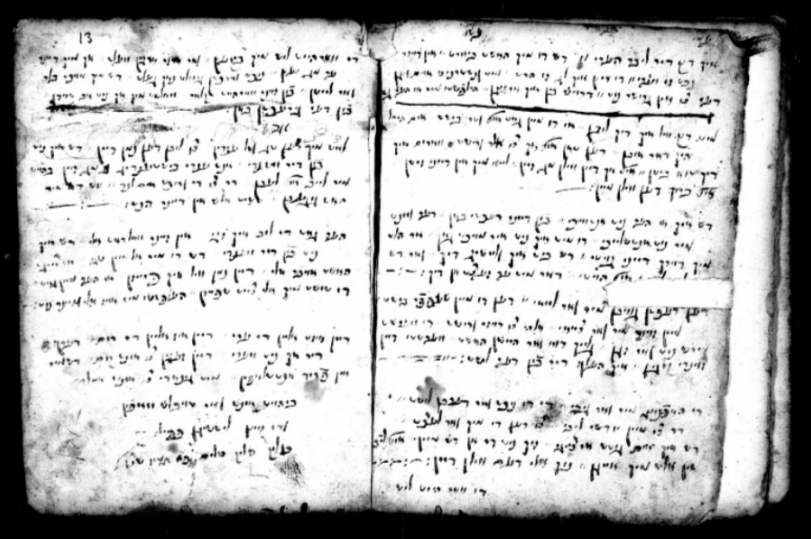
A Yiddish translation of a Protestant morning hymn reveals interreligious and intercultural exchange of religious poetry and music.
Jul 12, 2024
Review
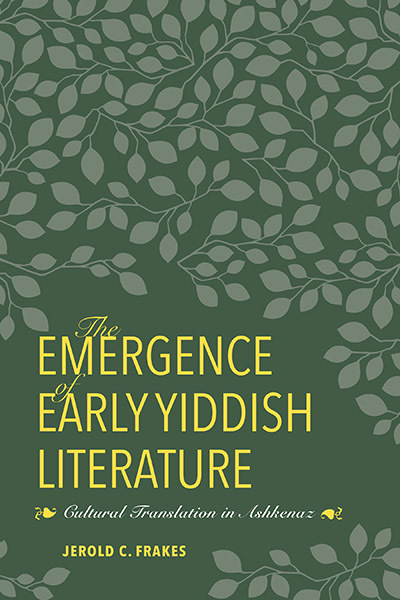
Claudia Rosenzweig's Bovo d’Antona by Elye Bokher. A Yiddish Romance: A Critical Edition with Commentary
Oren Cohen Roman
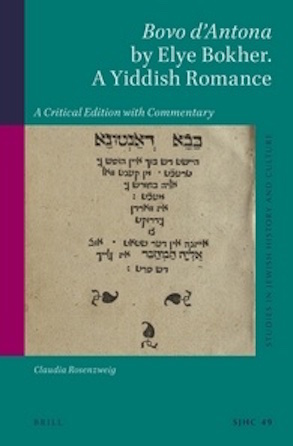
A review of Claudia Rosenzweig's new critical edition of the bove-bukh.
May 25, 2017
Review
Jerold C. Frakes: Early Yiddish Epic
Rachel Wamsley
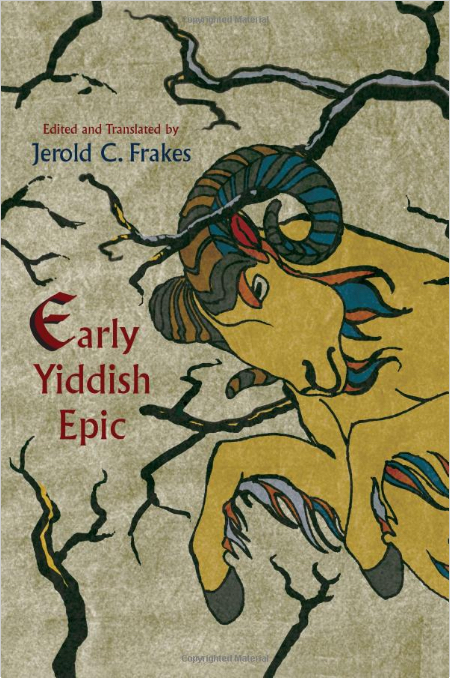
Jerold Frakes’s recent English anthology makes early Yiddish epic accessible to a broad audience for the first time.
Oct 05, 2016