Apr 28, 2026
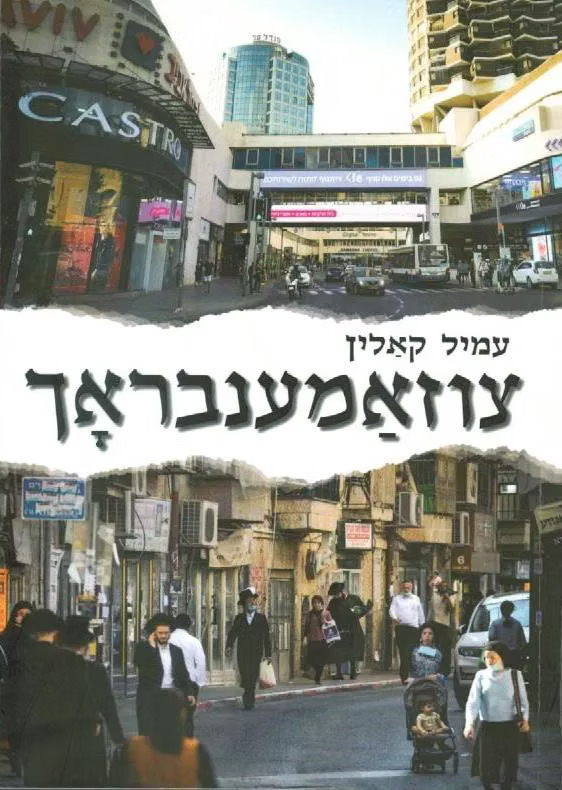
Emil Kalin, Tsuzamenbrokh (Breakdown). Leivik Publishing Houes (Tel Aviv) and Yiddish-Branze Publishing House (New York), 2024. 192 pp. 80 NIS.
הײַנט געפֿינט זיך אַ העלפֿט פֿון דער ייִדישער באַפֿעלקערונג אין מדינת־ישׂראל. איז אַוודאי כּדאַי זיך אַרומצוקוקן און כאַפּן אַז אַ נײַע ייִדישע ליטעראַטור קומט, װי די תּורה, אַרױס פֿון ציון.
דער זשורנאַל „ייִדישלאַנד“ גיט אַרױס אַ צאָל שאַפֿונגען פֿון ישׂראל־שרײַבערס. אַ באַנד דערצײלונגען – „די צוקונפֿט“ פֿון שירי שאַפּיראַ – האָט ערשט דערזען די ליכטיקע שײַן. און אַ בוך „צוזאַמענבראָך“, אַן אויפֿטו פֿון עמיל קאַלין, וואָס איך וועל דאָ װײַטער באַהאַנדלען. אײַ, דאָס איז דװקא נישט קײן אַבסאָלוט גרױס כּמות, איז דאָס אָבער פֿאָרט אַ רעלאַטיװ גרױסער פֿענאָמען אין אונדזערע קרײַזעלעך.
אויב אַזוי, איז װיכטיק זיך אָפּצושטעלן ראשית־חכמה אױף דעם, װאָס קאַלינס ראָמאַן איז בעיקר אַ ישׂראל־ראָמאַן, װאָס גיט זיך אָפּ מיט ישׂראל־העלדן און װיל זיך פֿאַרנעמען מיט די דאגות און זאָרגן סײַ פֿון ר׳ ישׂראל, סײַ פֿון כּלל־ישׂראל, סײַ מיט־מדינת ישׂראל גופֿא.
אינטערעסאַנט איז אױך, אַז קאַלין שטעלט מיט זיך פֿאָר אַ ייִדיש־שרײַבער װאָס װױנט און אַרבעט אין ישׂראל, און האָט זיך בשעתּו געלערנט בײַ באָריס סאַנדלערן, דעם אָנגעזענעם רעדאַקטאָר פֿון „פֿאָרװערטס“ װאָס װױנט נאָך אין נ״י. ער האָט אויך אַרױסגעגעבן דאָס ביכל בײַ סאַנדלערס פֿאַרלאַג „ייִדיש־בראַנזשע“ (פֿאַרבונדן מיט סאַנדלערס זשורנאַל מיטן זעלבן נאָמען).
הײסט עס, אַז די ישׂראלדיקע ייִדיש־ליטעראַטור איז נישט אָפּצוטײלן פֿון דער אַמעריקאַנער.
אפֿשר איז גענױער צו זאָגן, אַז קאַלין איז אױך אַ רומענישער שרײַבער. אַ געבױרענער אין בוקאַרעשט, שטאַמט ער פֿון דורות ייִדיש־רעדנדיקע רומענישע ייִדן.
שפּעטער האָט די משפּחה עולה געווען, און קאַלין האָט זיך דװקא גענומען פֿאַרטיפֿן זײַן קענטעניש פֿון מאַמע־לשון. מיט אַ ברען, האָט ער זיך אױסגעלערנט לײענען און שרײַבן, צו ערשט פֿאַרצייכענענדיק אינטערעסאַנטע װערטער און אידיאָמען װאָס ער האָט געהערט פֿון דער משפּחה. ער האָט זיך באַקענט מיט שלום־עליכמען (דורך די דערציילונגען וועגן מנחם־מענדלען) דװקא אין העברעיִשער איבערזעצונג און ערשט שפּעטער זיך אױסגעלערנט אַ ליטעראַריש ייִדיש. הײַנט אַרבעט ער אין הײַ־טעק אין ישׂראל און שרײַבט אין דער פֿרײַער צײַט.
אַלײן האָט ער אָנגעשריבן נאָװעלעס (מערסטנס אין „ייִדיש־בראַנזשע“) װאָס באַהאַנדלען רומעניש־ייִדישע העלדן, און טײל מאָל זײער אומקערן זיך קיין בוקאַרעשט צוליב פֿאַרשײדענע סיבות.
אין דעם ראָמאַן שפּאַרט זיך קאַלין אָן אױף אַן אָפֿט באַנוצטן טיפּ אין דער ייִדישער און העברעיִשער ליטעראַטור: דעם שלומיאל, אָדער, װי מע רופֿט אים אָן אױף העברעיִש, דעם תּלוש. דער הױפּטפּאַרשױן פֿון קאַלינס ראָמאַן, הירש, װיל שרײַבן, נאָר סע שרײַבט זיך נישט. ער איז אַ חתונה־געהאַטער, מיט אַ טאָכטער. ווײַל ער װיל װערן אַ שרײַבער, האָט ער געפֿונען אופֿנים און געלעגנהײטן – אָדער זײ אַקטיװ געשאַפֿן – כּדי זיך צו קענען אָפּרײַסן פֿון זײַנע בני־בית און צו באַפֿרײַען צײַט פֿאַר שרײַבן אַלײן. װױנען װױנט ער בײַ זײַנע עלטערן, אין אַ געגנט פֿון ירושלים װאָס איז קײן מעשׂה נישט. אַלײן איז ער כּלפּי־חוץ אַ פֿרומער, נאָר קײן צדיק איז ער אױך נישט. אַזאַ העלד, ספֿק גנבֿ ספֿק לופֿטמענטש, וואָס פֿאָרט אַוועק פֿון װײַב און קינד קיין ירושלים צוליב צװײפֿלהאַפֿטיקע סיבות, דערמאָנט טאַקע אין מנחם מענדלען.
ער האָט אַ סך בשותּפֿות מיט אַ גרויסער צאָל אײַנװױנער פֿון ישׂראל (און עס קען געמאָלט זײַן אַז אױך מיט װעלכן נישט איז קלײן־בירגערלעכן פּאַרשוין אין יאָר 2025). געבליבן שטעקן בײַ אַ דזשאַב װאָס באַפֿרידיקט אים נישט אין רוחניות, כאָטש אפֿשר יאָ אין גשמיות; אָן קײן טיפֿע פֿאָדערונגען אָדער התחײַבֿותן אין לעבן, אין אַ לאַנד װאָס רופֿט נישט אַרױס קײן שטאַרקע איבערגעגעבנקײט, נישט אידעאָלאָגיש און נישט צו אירע אינסטיטוציעס. מיט אײן װאָרט: מע נודיעט זיך.
הירש האָט תּחילת געאַרבעט װי אַן אַדװאָקאַט װאָס שרײַבט אָפּמאַכן – אַ טרוקענע, טאָג־טעגלעכע, נודנע אַרבעט – נאָר זיך װי נישט איז באַפֿרײַט, (װי אַזױ – איז נישט קלאָר) צו אַנטלױפֿן פֿון װײַב און קינד און קענען שרײַבן.
הירש איז קײן רשע נישט. ער איז גיכער אַ שלעפּער װאָס לאָזט זיך מיטשלעפּן פֿון זײַן חבֿר שלמהלע, װאָס זוכט אַ גרינגן שקל. אַזוי װערט הירש אַרײַנגעמישט אין אַ פּרוּװ אַרויסצונאַרן טײַערע חפֿצים בײַ אַ פֿאַרמעגלעכער און עובֿר־בטלער פֿרױ.
צװישן דעם אַלעם דערזעט מען, דורך די אױגן פֿון נאַראַטאָר, די פּסיכאָפּאַטיע פֿון ישׂראלדיקן לעבן: מע דרײט זיך אַרום פּוסט־און־פּאַסט איבער די גאַסן, מע פּרוּװט באַגנבֿענען אַ זקנה נישט פֿון רישעות אָדער געלט־גיריקײט, נאָר גלאַט אין דער װעלט אַרײַן. דעם לעבן פֿעלט אַ מײן, אַ ציל, די פֿרומע זײַנען כניאָקעס, די טאָג־טעגלעכקײט דערשטיקט. מע װיל קונסט, נאָר סע שרײַבט זיך נישט בײַ הירשן.
דאָס אַלץ איז אפֿשר נישט דער גרעסטער חידוש פֿון ראָמאַן. מע פֿאַרשטײט אַז הירש דאַרף װי נישט איז אַװעק פֿון דער משפּחה. דװקא װען הירש באַפֿרײַט זיך פֿון דעם עול, װערט דער סיפּור־המעשׂה פֿלאַם־פֿײַער.
כּדאַי זיך אָפּצושטעלן אױף דער דאָזיקער העלדינע, דער שרײַב־לעקטאָרין רחל מיט װעלכער הירש פֿירט אַ לינקע ליבע,װאָס איז סײַ אַ הײַנטצײַטיקע, סײַ אפֿשר אַ מיזאָגענישע, סײַ אַן אײגנאַרטיקע אין דער מאָדערנער ייִדישער ליטעראַטור – און אַ נײטיקע צו טרעפֿן אױף די זײַטן קאַלינס.
פֿון די פֿריִערדיקע געשעענישן אין דעם ראָמאַן (צװײ יאַטן אָן אַ ציל דרײען זיך אַרום איבער די ירושלימער גאַסן), און דער שילדערונג פֿון הירשעס מאַמען (נאַרישעװאַטע, פֿרומלעך, סײַ חשדימדיק סײַ גרינג אָפּצונאַרן), װאָלט מען געמײנט אַז דער ראָמאַן ווערט דערצײלט פֿון אַ מענער־צענטרישן קוקװינקל. און עס קען געמאָלט זײַן, אַז מע װאָלט געװען גערעכט. נאָר די העלדינע, אָדער אַנטיהעלדינע, מיטן נאָמען רחל, איז זיכער די ישועה בחסד־עליון װאָס ראַטעוועט לױט מײַן מײנונג דעם דאָזיקן נאַראַטיװ פֿון שאַבלאָנישקייט.
די דאָזיקע „שמירערינס־רביצין“ (װי זי װערט דאָ אָנגערופֿן) איז אַ קלוגע, היפּערסעקסועלע, עגאָיִסטישע שרײַבערין, זיכער בײַ זיך, און אָן מורא מער װײניקער דער היפּוך פֿון הירשן, דעם הױפּט־שלימזל פֿון דער מעשׂה. זי איז אַ פֿולצײַטיקע שרײַבערין, גענוי דאָס װאָס הירש איז נישט, נאָר זי געפֿינט זיך אויך אין גאַנץ מחוץ די רעמען װאָס האַמעװען אײַן דעם נאַראַטאָר: זי לעבט אָן קיין זיװג, אָן קיין קינדער, אָן קיין שום פֿאָדערונג חוץ שרײַבערײַ.
דעם ראָמאַן קען מען, פֿאַרשטײט זיך, אױך לײענען װי אַ רײַזעבילד (אַ פֿיקטיװ רײַזעבילד) פֿון דער הײַנטיקער מדינת־ישׂראל. ס׳איז אָך־און־װײ. די פֿרומע, װי די פֿרײַע, זײַנען פֿלאַך און גשמיותדיק, און כאַפּן זיך כּסדר אָן אין אילוזיעס אַז זײ קענען זיך אַלײן אַרױסראַטעווען פֿון זײער פֿאַרלעגנהײט. די פּאַלעסטינער („אַראַבער“ װערן זײ דאָ אָנגערופֿן) ווערן בדרך־כּלל נאָר דערמאָנט װי זײַטיקע פֿיגורן הינטער די קוליסן. צה״ל איז דאָ אױך נישט קײן שײַנדל. הירש דערמאָנט זיך נאָר אין די אומדערטרעגלעכע קולינאַרישע איבערלעבענישן װאָס האָבן באַגלײט זײַן דינסט.
אַלע שיכטן און אַנשטאַלטן נעמט דאָ דער מחבר אױפֿן צימבל. חסידים זײַנען שוטים. עמך איז געלטגיריק און להוט נאָכן פֿרעס. נאָר די קונסט, די שרײַבערײַ, איז אפֿשר (אפֿשר) כּדאַי. רחל לערנט פּאָטענציעלע שרײַבערינס, אין װעמענס גרופּע הירש שלײַכט זיך אַרײַן װי אַ יװן אין סוכּה.. פֿרױד װאָלט געװען מער װי צופֿרידן מיט די גרענעצן װאָס װערן אין דעם ראָמאַן איבערגעטראָטן און צעשװוּמען.
אַן עפּילאָג װאָס קומט פֿאָר נאָכן 7טן אָקטאָבער, דרײט איבער אין גאַנצן דאָס רעדל, און דער נאַראַטאָר געפֿינט נײַע האָפֿענונג און אמונה. לױט מײַן מײנונג איז דער טייל דאָס סאַמע נישט־געראָטנסטע פֿון גאַנצן בוך. דער פּיקאַנטער כּוח און איבערראַשנדיקער חידוש שטעקט אין דעם נאַטוראַליזם: דער קױט, דער סעקס, דער הונגער, די אָרעמקײט, דאָס גאָט־שיכּרות און געלט־שיכּרות װאָס כאַראַקטעריזירן ישׂראל, כאָטש אַזױ װי עס װערט אָפּגעמאָלט אין ראָמאַן. די ליטעראַטור איז די לוקע דורך װעלכער מע קען אַנטלױפֿן אין אַ נױטפֿאַל, און ס׳איז מיר נישט קלאָר װאָס דער נאַראַטאָר װיל זאָגן מיט אַזאַ צוגעטשעפּעטן נאָכקאַפּיטל.
מיט אַלע פּיטשעווקעס, ברחל בתּך הקטנה, בלי חרטה און בלי דרײ, איז קאַלין אונדזער שליח אין דער הײַנטיקער ישׂראל־פֿאַנטאַזיע. ס׳איז כּדאַי צו פֿרעגן פֿאַר װאָס ער האָט דאָס ווערק אָנגעשריבן דווקא אױף ייִדיש. מע קען דאָס אפֿשר פֿאַרגלײַכן מיט שירי שאַפּיראַס לעצנטס אַרויסגעקומענעם באַנד דערצײלונגען. בשעת שאַפּיראַ איז אַ געבױרענע אין שׂראל, איז קאַלין געבױרן געװאָרן אין רומעניע. זײַן דרױסנדיקער קוק איז אפֿשר טײלװײַז אַ בכּיוונדיק אױסגעקליבענער, נאָר װאַקסט אַרױס אױך פֿון דעם, אַז ער זיך אױספֿאָרמירט װי אַ ליטעראַרישער שרײַבער דווקא אויף מאַמע־לשון.
קאַלינס פּראָזע איז נישט איבערגעקינצלט, נישט הױך באַפֿליגלט, נאָר איר קול איז באַפֿעפֿערט מיט עבֿריתּיזמען פֿון דער ישׂראל־גאַס. ס׳איז אַ קול װאָס איז מסוגל צו באַשרײַבן סײַ דעם אידענטיטעט־קריזיס פֿון אַ שרײַבער, סײַ אַ הײס געלעגער־באַגעגעניש, סײַ די משפּחה־דינאַמיק אױף די ראַנדן פֿון הײַנטיקער פֿרומקײט. נישט פֿאָרצולײענען די פּיצעלעך אין קינדער־גאָרטן, אָבער פֿאָרט נישט אַדורכצולאָזן.
Today, Israel is home to half of the Jewish population. So of course it’s important to pay attention to the new Yiddish literature emerging, like the Torah, from Zion.
The journal Yiddishland has published a number of works by Israeli writers; Shiri Shapira’s volume of short stories, Di Tsukunft (The Future) was recently published; as well as the novel Tsuzamenbrokh (Breakdown) by Emil Kalin, which I will discuss further below. True, this is no great number of works in absolute terms, but it’s still a relatively significant phenomenon in our circles. [translator’s note: “our” refers here to contemporary Yiddish speakers and readers].
Given this, it’s important to recognize first of all that Kalin’s work is, at its heart, an Israeli novel, concerned with Israeli characters and the worries and cares of the society and people of Israel and with the State of Israel itself.
It’s also noteworthy that Kalin represents himself as a Yiddish writer who lives and works in Israel, and who, at the same time, learned [to write in Yiddish] from Boris Sandler, the former editor of the Forverts, who lives in New York. Kalin’s book was also published by Sandler’s press, Yidishe-Branzshe (connected to Sandler’s journal with the same name).
Which is to say, Israeli Yiddish literature cannot be separated from American Yiddish literature.
Perhaps it’s more accurate to say that Kalin is a Romanian writer. Born in Bucharest, he descends from generations of Yiddish-speaking Romanian Jews.
Later, his family made aliyah [resettled in Israel] and there Kalin began to deepen his knowledge of mame-loshn [Yiddish]. He learned to read and write in Yiddish with great enthusiasm, at first by noting interesting words and idioms he learned from his family. He became familiar with Sholem Aleichem (through the stories of Menachem Mendl) in Hebrew translation and only later acquired his own literary Yiddish. Today he works in Israel’s high-tech sector and writes in his free time.
He has written novellas (mostly published in Yiddish-Branzshe) centered on Romanian Jewish protagonists, some of whom return to Bucharest for various reasons.
In this novel, Tsuzamenbrokh (Breakdown), Kamil takes on an oft-encountered type in Yiddish and Hebrew literature, the shlemiel, or as he’s known in Hebrew, the talush. The protagonist of Kalin’s novel, Hirsh, wants to write, but he can’t. He is a married man with a daughter. Because he wants to be a writer, he finds means and opportunities – or actively creates them – to separate from his family and dedicate his time to writing. He lives with his parents in a run-down neighborhood in Jerusalem. Outwardly, he’s religious, but he’s no saint. Such a protagonist, part-sneak and part-luftmentsh, who leaves his wife and child to go to Jerusalem for questionable reasons, is reminiscent of Menachem Mendl.
He has much in common with a great number of people who live in Israel (and, I imagine, with many other middle-class people in 2025). He’s stuck in a job that he doesn’t find spiritually fulfilling, though perhaps materially satisfying, without deep challenges or intense life experiences, in a country for which he feels no great dedication – neither for its ideology or its institutions. In a word: he’s bored.
For his day job, Hirsh works as a lawyer, writing contracts – a dry, ordinary slog – but he manages to escape (it’s unclear how) and leave his wife and child so he can write.
Hirsh is not a bad guy. He’s more of a bum who hangs around with his friend Shloymele, who’s looking to make a buck. That’s how Hirsh gets caught up in a scheme to steal jewels from a wealthy, senile woman.
As it all unfolds, we see, through the eyes of the narrator, the psychopathy of Israeli life. Hirsh wanders the streets willy-nilly, trying to steal from an old lady, not out of cruelty or greed, but just for something to do. His life lacks meaning or purpose, his piety is weak, his reality parched. He wants art, but he can’t write.
But that’s beside the point. We understand that Hirsh needs to be away from his family. When he’s able to get out from under the yoke, the plot begins to sparkle.
Now we meet the heroine, the writing instructor Rachel, with whom Hirsh has an affair that feels at once modern and a bit misogynist, which feels both characteristic of Yiddish literature and something new in Kalin’s oeuvre.
From the early episodes in the novel (two aimless guys wandering the streets of Jerusalem) and the description of Hirsch’s mother (neurotic, religious, both suspicious and gullible), one might assume that the novel is told through a male-centered perspective. And that may be true. Yet the heroine, or anti-heroine, Rachel, is the redemptive element who, to my mind, rescues the narrative from pure cliché.
This half-baked rebbetzin (as she’s called in the novel) is a smart, hypersexual, egotistical writer, confident and fearless, more or less the opposite of Hirsh, the leading shlimazl of the story. She is a full-time writer, precisely what Hirsh is not, and she lives entirely outside the bounds of everything that hems the narrator in: she has no partner, no children, no responsibilities outside of her writing.
The novel can also be understood as a travelogue (a fictional travelogue) through contemporary Israel. What a mess. The religious and the secular are all weak and materialistic, and forever caught up in illusions that they can save themselves from their own desires. Palestinians (“Arabs” as they’re called in the book), and generally only mentioned as peripheral characters behind the scenes. The military also doesn’t play a large role. Hirsh only mentions the insupportable culinary experiences that accompanied his service.
No one escapes the writer’s pen. Chasidim are drunks. Everyday people are greedy, ravenous. Only art, only writing is maybe (maybe) worthwhile. Rachel teaches women who want to become writers, and Hirsh sneaks into their group at an ill-timed moment… Freud would have been pleased with the boundaries that are crossed and blurred in this novel.
In an epilogue that was written after October 7th, the novel changes its tune, and the narrator finds new hope and faith. In my opinion, this is the least successful part of the book. The poignancy and innovation of the novel is in its naturalism: the dirt, the sex, the hunger, the poverty, drunkenness on God and money that characterize Israel, at least as it is described in this novel. Literature is an escape hatch in a moment of necessity, and it’s unclear to me that the narrator is trying to communicate with this additional chapter.
Despite these criticisms, Kalin is honest and doesn’t pack any punches in his treatment of the fantasy of contemporary Israel. It’s worth asking why he would choose to write such a novel in Yiddish. While Shiri Shapira, the author of a recently published volume of stories, was born in Israel, Kalin was born in Romania. He may have taken an outsider stance purposefully, but it emerges from the fact that he was formed as a literary writer in Yiddish.
Kalin’s prose is not overly artistic, not lyrically soaring, but it is peppered with Hebraisms and the street vernacular of Israel. He uses a voice that’s capable of describing a writer’s identity crisis, a steamy romantic encounter, and a contemporary religious family’s dynamics. It’s not for the faint of heart — I wouldn’t read it aloud to a kindergartener — but this novel is not-to-miss.