Feb 27, 2026
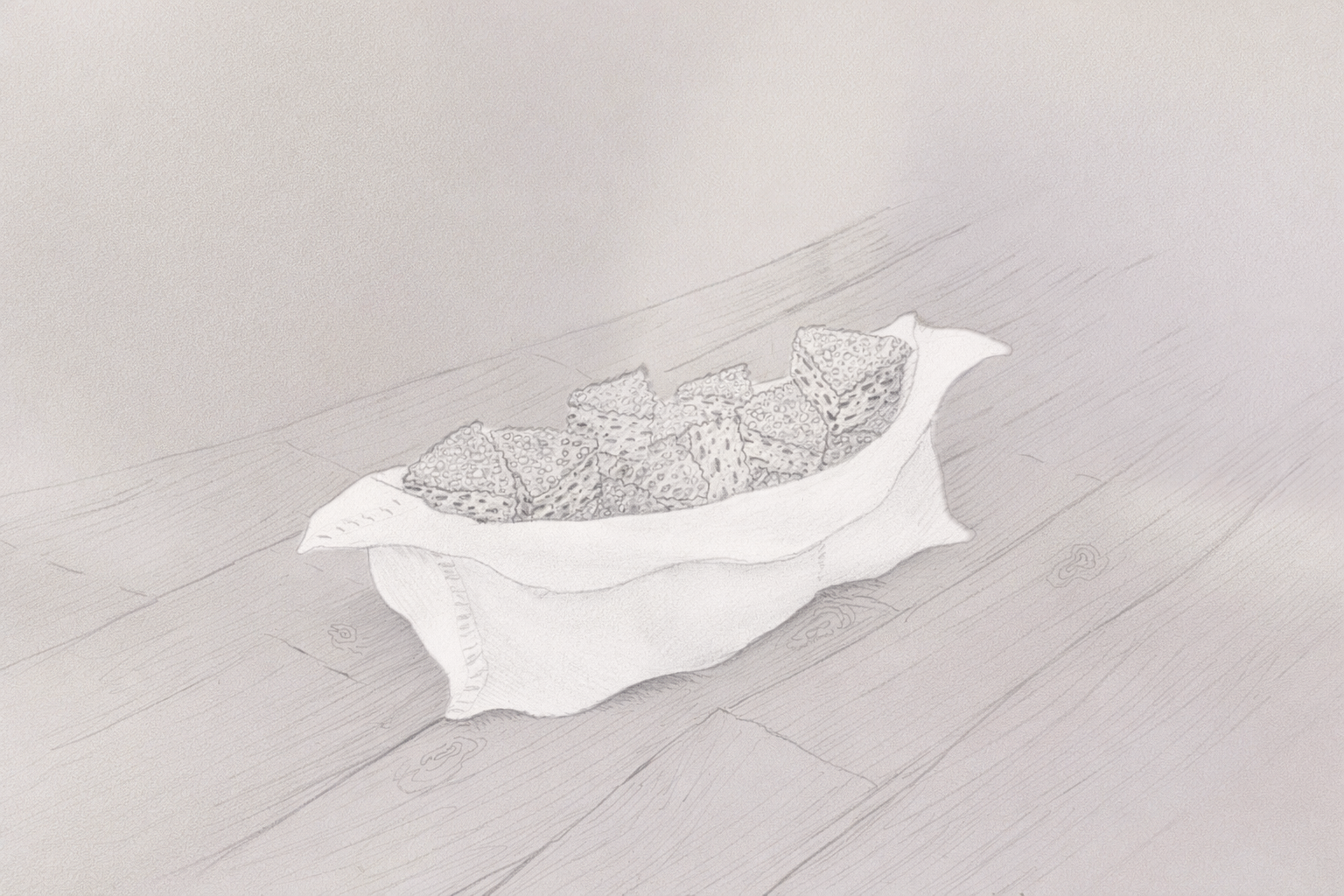
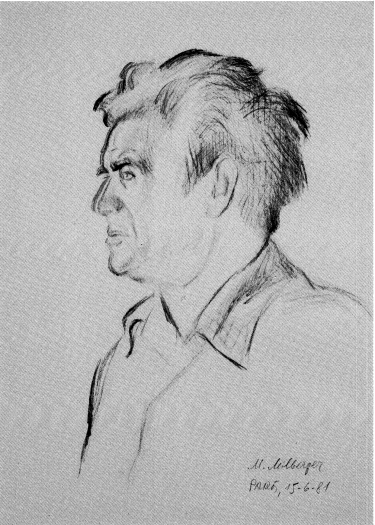
Drawing by David L. Zakalik
INTRODUCTION
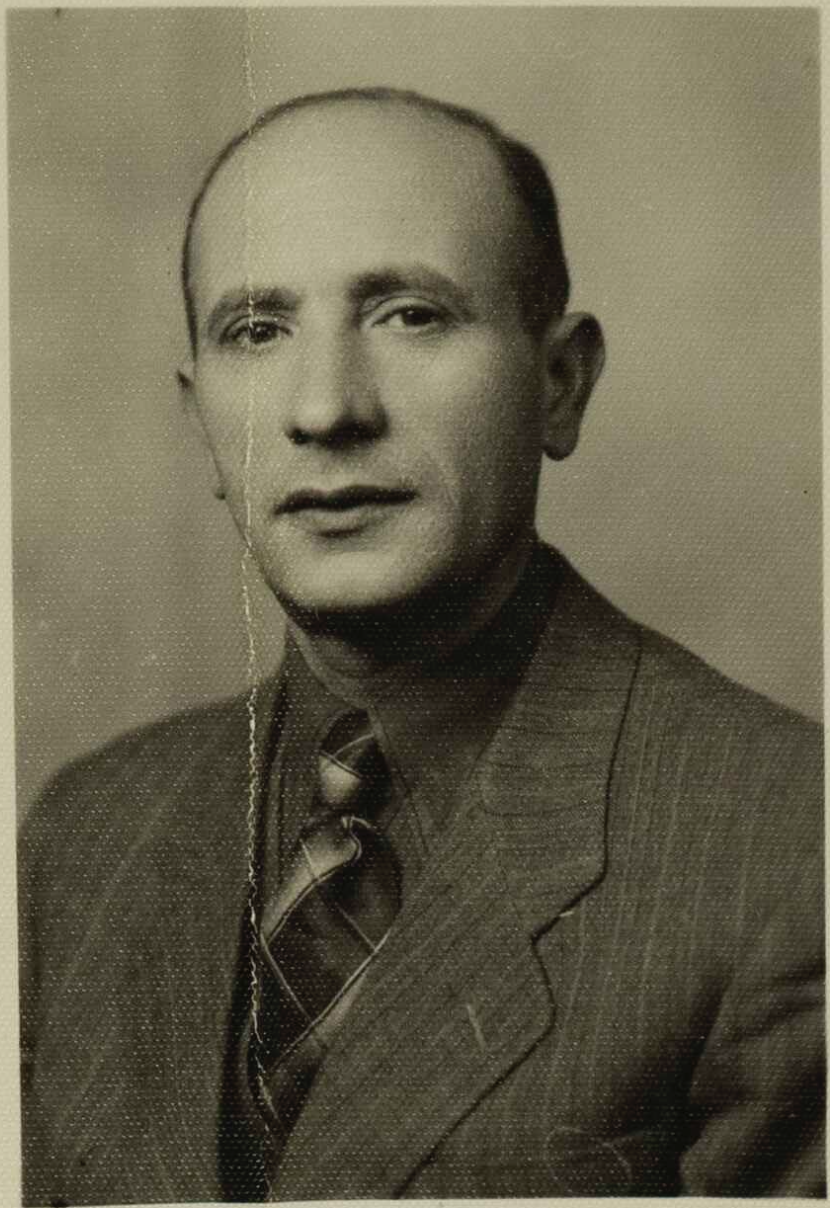
This excerpt is Chapter 43 of In shturem (In the Storm), the first volume of Duvid Tsudek Zakalik’s three-volume fictionalized account of his experiences during World War II. Originally published between 1963 and 1975, these three volumes will appear together in English for the first time, under the title Olek’s Gambit, in the fall of 2027 from Syracuse University Press.
Volume I recounts the author’s (fictionalized as “Olek”) escape from Nazi-occupied Warsaw for Soviet-occupied Białystok in late 1939 and his subsequent arrest. In the summer of 1940, the NKVD (secret police) round up thousands of Polish-Jewish refugees who registered to be sent back west in a supposed citizen exchange between the Nazi and Soviet governments. These refugees, who had been given semi-legal status by a supposedly benevolent government, are snatched from their workplaces in broad daylight, or pulled out of bed in the middle of the night. The arrested refugees are crammed into overcrowded prisons or makeshift detention centers and charged with crossing the border illegally. These “socially dangerous elements” are then deported to prison camps or labor settlements. Olek is sent to a camp in the Ust-Vym-Lag complex, in the Komi Republic, near the Arctic Circle.
Olek and his fellow Polish Jews have already endured a brutal winter of starvation, malnutrition, and hard labor. On Purim (mid-March 1941), the Jewish orderly in Barrack 9 performs an incredible act of kindness: He makes “homentashen” for his fellow Jewish prisoners, all of whom are starving and exhausted. How he does so in the food-scarce conditions of the gulag, you must read for yourself.
The orderly in Olek’s barrack, however, is not so kind or generous to his fellow Jews. But, in the topsy-turvy spirit of the Purim holiday, he pulls a trick on the camp guards.
דער װלאָצלאַװקער זײפֿנזידער איז „דניעװאַלני“ אין 9טן באַראַק. ער פֿאַרמאָגט זײַן אײגנס... עטלעכע מיחושן. צוליב דעם האָט ער געקריגן די דניעװאַלני־שטעלע. און ער איז אַ פּינקטלעכער דניעװאַלני. ער איז גוט פֿאַרן קאָמענדאַנט און פֿאַר די לאַגערניקעס װאָס אין זײַן באַראַק. ער, װי קראַנק ער איז, טראָגט ער אַװעק אין דער „סושילקע“ אַרײַן אַלע בושלאַטן און פֿופֿײַקעס צום אױסטריקענען; אָן אַ פֿאַרזױמונג — צו דער צײַט פֿון „פּאָדיאָם“ — ברענגט ער צוריק די מלבושים, כּדי די בריגאַדעס זאָלן באַװײַזן צו שטעלן זיך צום „ראַזװאָד“, נישט געיאָגט צו װערן פֿון קאָמענדאַנט.
דער װלאָצלאַװקער זײפֿנזידער איז אַ רעליגיעזער ייִד, אָבער ער פֿאַרלאָזט זיך נישט די באָרד, כּדי נישט אױסצוטײלן זיך פֿון אַנדערע לאַגערניקעס. ער האַלט, אַז ער דאַרף אָפּקומען די שטראָף, דעם 3 יאָר סראָק און ער װיל מיט אַלע כּוחות אױסהאַלטן. ער איז זיכער, אַז ער װעט אויסהאַלטן. ער װעט איבערלעבן אַלע פּורעניותן און דערלעבן די באַפֿרײַונג. ער האַלט אַפֿילו, אַז דער פּסק־דין איז נאָך נישט דער לעצטער פּסוק. עס איז אָפּהענגיק פֿון דער מלחמה. אַז עס װעט װערן אױס מלחמה, װעט דער פּסק — „דיעטקע סראָק“ 1 1 קינדער־פּסק בטל און מבוטל װערן.
דער 9טער באַראַק רופֿט זיך — דער װלאָצלאַװקער זייפֿנזידער־באַראַק. דער איז אַ שם־דבר פֿאַר אַלע אָפּטימיסטן, די װאָס גלײבן אין איבערלעבן און דערלעבן די דערלײזונג. אין דעם באַראַק איז קװאַטערירט די ״סלאָבקאָמאַנדע“, — לאַגערניקעס, װאָס טױגן נישט צו דער אַרבעט. ס’רוב זענען געשװאָלן פֿון הונגער, אָנגעגריפֿן פֿון „שקאָרבוט“. אַ טײל אַרבעט אין דער קיך בײַ שײלן קאַרטאָפֿל, אַ טײל בײַם רײניקן, זעגן האָלץ בײַ די „װאָלניענאָיאָמנע“. דאָס זענען די געקליבענע יונגעלײַט, װאָס זענען מסוגל צו אָנגעשטרענגטער אַרבעט: זיך אומצוגײן מיט פֿערד און שליטן און שלעפּן די קלעצער. זײ האָבן אַ באַזונדערן דין. זײער „פּאָדיאָם“ איז תּמיד מיט אַ שעה אָדער צװײ פֿריער, כּדי די צײַט פֿון שפּאַנען דאָס פֿערד אין שליטן זאָל זיך נישט רעכענען צו דער אַרבעטס־צײַט.
בײַם װלאָצלאַװקער זײפֿנזידער אין באַראַק האָבן צװײ דאָקטוירים, ביעזשענצעס, זײערע געלעגערס. די ערשטע צײַט זענען די דאָקטױרים אױך געגאַנגען מיט די װאָזשטשיקעס צו אַרבעטן אין װאַלד. לעצטנס גײען זײ אין װאַלד מיט קעסטלעך רפֿואות אַלס „גיכע הילף“, אין פֿאַל פֿון אַ געשעעניש מיט אַ װאָזשטשיק, אָדער גרוזשטשיק, װאָס איז אָפּגעשטאַנען אין מיטן דער אַרבעט. די צװײ דאָקטױרים קומען צװישן די ״אופּראַװליעניע״־באַאַמטע, װוּ ס’זענען פֿאַראַן אױך פֿרײַ־אָנגעשטעלטע, װעלכע האָבן אין די װױנונגען ראַדיאָ־פּונקטן, דערהאַלטן צײַטונגען. פֿון זײ דערװיסן זיך די דאָקטױרים נײַעסן װעגן דער מלחמה און זײ דערצײלן די נײַעס אין 9טן באַראַק.
זײַט דאַן איז דער װלאָצלאַװקער זײפֿנזידער־באַראַק אַן אינפֿאָרמאַציע־פּונקט פֿאַר אַלע ביעזשענצעס פֿון אַלע באַראַקן. מען כאַפּט אַרײַן דאָס עסן די זופּ אין דער סטאָלאָװע און מען כאַפּט זיך אַרײַן אין 9טן באַראַק הערן אַ מלחמה־ידיעה.
די אינפֿאָרמאַציע גיט דער דאָקטאָר מישעלסקי. ער איז נישט קײן ביעזשעניעץ. ער איז געװען מאָביליזירט אין דער פּױלישער אַרמײ און װען די סאָװיעטן האָבן אין סעפּטעמבער 1939 פֿאַרנומען די מערבֿ װײַסרוסישע געביטן, איז ער דאָרט שטעקן געבליבן. ער איז אָבער פֿאַרשיקט געװאָרן גלײַך מיט די ביעזשענצעס. דאָקטאָר מישעלסקי פּוצט זיך די װאָנצעלעך אין דער פֿאָרעם פֿון אַ שמאָל שנירל. ער איז תּמיד ערנסט. די קאַטאָרגע האָט פֿאַרקלעמט אין אים יעדן שמײכל. ער איז אָבער אַן אױסגעשפּראָכענער אָפּטימיסט — פֿון די „זיך האַלטן און אױסהאַלטן“. ער איז זיכער, אַז די דערלײזונג פֿון די ביעזשענצעס װעט קומען מיטן סוף פֿון דער מלחמה:
— װאָס עס זאָל נישט זײַן נאָך דער מלחמה, װעט מען אין לאַגער נישט בלײַבן, — זאָגט ער און פֿאַררײַסט דעם קאָפּ.
אַז דאָקטער מישעלסקי איז דאָ אין באַראַק זיצן די ביעזשענצעס אַרום טיש, װי חסידים בײַ אַ רבין, און זײ הערן זיך אײַן צו זײַן רעדן. כּדי אױסצומײַדן חשד, אין פֿאַל װען דער נאַטשאַלניק זאָל אַרײַנפֿאַלן, ער זאָל נישט מײנען, אַז עס איז אַ „סאַבראַניע“, האַלטן אַלע זײערע קעסעלעך מיט קיפּיאַטאָק צו טרינקען, װי עס װאָלט געװען עפּעס אַ געמיינזאַמע סעודה. אויך דאָקטאָר מישעלסקי טרינקט קיפּיאַטאָק. נאָר ער האָט אַ טעפּעלע מיט אַן אױערל. אַז אָלעק איז דאָס מאָל אַרײַנגעקומען אין דעם 9טן באַראַק, האָט ער געטראָפֿן דאָקטאָר מישעלסקי דערציילן:
— די פֿראַנצױזן האָבן אַ מיטל צו שאַפֿן אַ נידעריק־גראַדיקע טעמפּעראַטור — אַ פֿראָסט אױף אַ װײַטן מרחק. ער קאָן זײַן װי אַן „עמוד ענן“. װען דעם שׂונאס אַרמײ װעט זיך דערנענטערן, זאָל זי פֿאַרפֿרױרן װערן. רוסלאַנד װעט שױן מער קײן תּבֿואה נישט פֿאַרקױפֿן די היטלער־דײַטשן; אַמעריקע טרעט אַרײַן אַקטיװ אין קריג. עס איז נאָענט די מפּלה פֿון די דײַטשן.
— ס’קאָן זײַן נאָך אין פֿרילינג? — פֿרעגט מעכעלע מיטן אָפּגעריסענעם דאַשיק פֿון היטל, דער שטענדיקער „סלאָבקאָמאַנדעניק“.
— ס’קאָן זײַן! — זאָגט מישעלסקי מיט אַ טאָן, װי דאָס איז זײַן װוּנטש.
— אַנדערע זאָגן, אַז די מלחמה צעפֿלאַקערט זיך איצט — רופֿט זיך אָפּ איינער בײַם טיש.
— װאָס גרעסער עס װעט זײַן דער פֿלאַקער, אַלץ נענטער איז צו דער ענדע — דערקלערט מישעלסקי.
— עס גײט צו פּסח און מען װעט אפֿשר זײַן בני חורין, װי אַמאָל — רופֿט זיך אָפּ נאָך אַ קול בײַם טיש.
דער װלאָצלאַװקער זייפֿנזידער האָט אין װינקל, װוּ זײַן געלעגער, זיך געפּאָרעט בײַ עפּעס אַ פּעקעלע און גענוטשעט דעם ניגון פֿון ״שושנת יעקבֿ״... ער איז צוגעקומען מיטן פּעקעלע צום טיש, עס אַװעקגעלייגט אויפֿן טיש:
— הײַנט איז פּורים אױף דער װעלט. אין דער הײם פֿלעגט מען בײַ דער סעודה עסן המן־טאַשן, געטונקט אין האָניק — האָט ער שטיל געזאָגט און מיט די הענט אָנגעװיזן אויפֿן פּעקעלע.
דער הױכפֿיסיקער זשעלאַזקאָ, דער עלטסטער, איז װי צוגעפֿאַלן צום פּעקעלע. אָבער ער האָט געזאָגט, אַז ער װעט נישט כאַפּן. ער װיל בלױז זען די המן־טאַשן.
עס זענען נישט געװען קײן המן־טאַשן. דער זײפֿנזידער האָט געקויפֿט אַ טאַלאָן פֿון אַ סטאַכאַנאָװעץ — דאָס עסן אַװעקגעגעבן, נאָר געלאָזט זיך דאָס בולקעלע. ער האָט עס צעשניטן אױף קלײנע דרײַקאַנטיקע שטיקלעך, באַשיט מיט צעשטױסענעם צוקער.
— אָט דאָס װעלן זײַן הײַנט אונדזערע המן־טאַשן! — האָט ער געזאָגט און צוגעשאָקלט מיטן קאָפּ, װי ער װאָלט פֿאַרבעטן צו עסן.
עס איז נישט געװען פֿאַר אַלע, האָט זשעלאַזקאָ געזאָגט מען זאָל לאָזן דעם דניעװאַלני אַלײן באַקומען דעם ביסן. זײ װעלן זיך נאָר אײַנקוקן אין די מכּלומרשטע המן־טאַשלעך און יעדער װעט זיך מאָלן אין דמיון אַן אמתן המן־טאַש, געטונקען אין האָניק.
— לאָמיר רעדן װעגן די גוטע זאַכן, װאָס מען האָט געגעסן אױף דער סעודה! — האָט ער אַ הײַטערער אױסגערופֿן און אַ פּאַטש געטון מיט די הענט פֿון צופֿרידנקייט.
אַלע האָבן טאַקע גענומען רעדן מיט אײן מאָל:
— אױפֿן טיש איז געשטאַנען אַ װאַזע מיט פּאָמאַראַנצן, פֿײַגן, טייטלען, ניס, ראָזשינקעס און מאַנדלען. מען האָט געגעסן מאַרינירטן הערינג מיט לעקעך; מען האָט געגעסן זױערקרױט מיט ראָזשינקעס... מען האָט געטרונקען ארץ ישׂראל־װײַן און געגעסן שטרודל.
— אַז כ’װעל באַפֿרײַט װערן, איז דאָס ערשטע װאָס כ’װעל טון: עסן צװײ מיטיקן — זאָגט זשעלאַזקאָ, דער ייִנגערער.
— איך װעל אין באַר „װענוס“, עק דזשעלנע־זאַמענהאָף, הײסן זיך דערלאַנגען אַ האַלב געבראָטן גענדזל — רופֿט אױס אַן אַנדערער.
דער װלאָצלאַװקער זײפֿנזידער האָט נישט געװאָלט באַהאַלטן פֿאַר זיך די מכּלומרשטע המן־טאַשן, װאָס ער האָט געמאַכט. ער האָט אויסגערעכנט, אַז יעדער דריטער װעט קריגן אַ שטיקל...
***
אַז אָלעק איז אַרױס פֿון 9טן באַראַק, איז ער געװען מיט אַ צעװאַרעמט געמיט. סײַ די נײַעסן פֿון דאָקטאָר מישעלסקי, אַז דײַטשלאַנדס מפּלה איז נאָענט, סײַ די זיכערקײט בײַ די ביעזשענצעס, אַז מען װעט באַפֿרײַט װערן פֿון לאַגער, האָט איצט אױך אין אים געשטאַרקט די האָפֿענונג צו דערלעבן די צײַט. די הײם איז איצט װידער נאָענט געװאָרן. ס’איז אים אָנגעקומען לײַכט פֿאָרצושטעלן זיך אין דמיון זײַן ראַכעלאַן, דאָס קינד: װינטער, אַ שנײ, אַ פֿראָסט. ער האָט פֿאַר זײַן טעכטערל געקויפֿט אַ שליטעלע און זי איז דרײסט, זי גליטשט זיך אַראָפּ מיטן שליטעלע פֿון אַ בערגל. ראַכעלאַ װוּנדערט זיך, װאָס ער לאָזט די טאָכטער אַזױ הפֿקר אױף דער גליטש, און ער איז רויִק, אַז עס װעט איר גאָרנישט געשען, װײַל ער האָט זי צוגעבונדן צום שליטעלע — נישט זי און נישט ראַכעלאַ האָבן דאָס בעת־מעשׂה געװוּסט... „כ׳װעל שרײַבן צו ראַכעלאַן זי זאָל מיר שיקן אַ פֿאָטאָגראַפֿיע פֿון קינד, אפֿשר װעט די נאַטשאַלסטװע דאָ דאָך דאָס דורכלאָזן“... די פֿאָטאָגראַפֿיע, װאָס ער האָט געהאַט, האָט דער ענקאַװעדיסט אין דער סאָסנאָװקע, אין ביאַליסטאָק, רעקװיזירט, װי דעם פּאַסיק צו די הױזן, אַז ער זאָל נישט פּרוּװן זיך צו הענגען...
***
אין דעם זײגערמאַכער־באַראַק האָט אָלעק זײַן געלעגער. איצט איז דאָרט געװען אַ שטיקל סומאַטאָכע. עס זענען געשען עטלעכע גנבֿות. רוסישע זשוליקעס זענען דאָ, צוזאַמען מיטן קאָמענדאַנט, אַרײַנגעקומען בײַ טאָג דעזינפֿעקצירן דעם באַראַק און זײ האָבן פֿון רוקזעק אַרויסגעשלעפּט העמדער, מאַרינאַרקעס. דער זײגערמאַכער, דער דניעװאַלני, שטײט אַ צעטומלטער. די באַגנבֿעטע װײסן, אַז ער איז שולדיק — ער איז דאָך דאָ דניעװאַלני אױף צו היטן מען זאָל נישט גנבֿענען. זײ קאָנען דאָס אים נישט זאָגן, װײַל ער איז אַ כּעסן און לעקט זיך צום קאָמענדאַנט. אַרײַנצופֿאַלן דעם קאָמענדאַנט אין אױג איז נישט גוט...
דער זײגערמאַכער איז נישט צוליב דער געברעכטיקײט זײַנער געװאָרן דניעװאַלני. ער האָט געגעבן דערפֿאַר אַ פֿײַנע מתּנת־יד. פֿונדעסטװעגן לאָזט מען אים דניעװאַלניען אױס חסד און ער צאַפּלט — חלילה נישט צו פֿאַרלירן חן בײַם נאַריאַדטשיק, װאָס איז אײנס מיטן קאָמענדאַנט...
אַז ער לאָזט די זשוליקעס גנבֿענען, װעט דער קאָמענדאַנט זײַן פֿון אים צופֿרידן. ער װערט נאָך יעדער גנבֿה בלאַס און צעטומלט. ער ציטערט װי אַ בלאַט, װי ס’װאָלט אים געװאָרפֿן אין קדחת. מען װײסט אָבער אַז ס’איז אַן אָנשטעל. ער שפּילט. מען װײסט אױך, אַז דער קאָמענדאַנט איז זײַנער...
און דער שװאַרצאױגיקער זײגערמאַכער מיט די ברײטע ברעמען און אַ סך גאָלדענע צײן אין מױל, כאָטש ער שטאַמט פֿון גרױסער מעזריטשער אָרעמקײט, האַלט אַז ער איז נישט קײן פּראָװינצער. ער האָט בײַ אַ גרויסער טײל ביעזשענצעס אין באַראַק אַ שטאַרקן אָנזען מיט זײַנע חכמות און פֿאָרטלען אױסצושטעלן די סטרעלקעס פֿאַר נאַראָנים. און װײַל עס זענען געשען עטלעכע גנבֿות הײַנט, האָט ער צוגעטראַכט אָפּצוטון אַ קונדס־שטיקל די סטרעלקעס, װאָס האָבן אָנגעזאָגט, אַז זײ װעלן הײַנט קומען אױף „פּראָװיערקע“ — צײלן די צאָל לאַגערניקעס אין דעם באַראַק.
ליגט אָלעק אױף דער נאַרע און שלאָפֿט נישט. די הײַטערקײט װאָס ער האָט מיטגעברענגט פֿון װלאָצלאַװקער זײפֿנזידער־באַראַק מונטערט אים נאָך. חוץ דעם װיל ער זען דאָס קונדס־שטיקל, װאָס דער זייגערמאַכער האָט צוגעגרייט.
און אָט פֿאַלן אַרײַן מיט האַסטיקײט און פּאַרע פֿון דרױסן די סטרעלקעס און דער קאָמענדאַנט. זײ שרײַען, אַז קײנער זאָל זיך נישט רירן פֿון אָרט. זײ גײען אַרום די נאַרעס און זײ צײלן מיט ריטלעך, װי זײ װאָלטן זיך מיאוסן אָנצורירן מיט די הענט, די לאַגערניקעס לױט די פֿיס. זײ האָבן איבערגעצײלט און עס האָט זיך אַרױסגעװיזן, אַז די צאָל שטימט נישט. בײַ אײנעם איז דאָ מער. זײ גײען װידער אַרום די נאַרעס, צײלן װידער — דאָך דאָס אײגענע: בײ אײנעם מער. צײלן זײ אַ דריט מאָל, שױן מיט די הענט און אײנער האָט דערטאַפּט, אַז אָנשטאָט אַ פּאָר פֿיס, ליגן אָנגעשטאָפּט אַ פּאָר שקאַרפּעטקעס. זענען זײ בײז געװאָרן, די סטרעלקעס, און זײ האָבן אַראָפּגעשלעפּט פֿון דער נאַרע זעליקלען, די קרומע ליפּ, — לױט דעם שפּאַלט אין דער ליפּ װאָס ער האָט, רופֿט מען אים אַזױ — נעבן װעלכן ס’זענען געלעגן די שקאַרפּעטקעס, ער זאָל זאָגן װער עס האָט דאָס געטון.
שטײט זעליקל, די קרומע ליפּ, אַ תּמעװאַטער. ער האַלט די אױגן פֿאַרמאַכט, ער קאָן זײ גאָרנישט אױפֿרײַסן פֿון שלאָף. די סטרעלקעס שאָקלען אים פֿון בײדע זײַטן — אָט דאַכט זיך ער פֿאַלט, אָבער די סטרעלקעס לאָזן אים נישט פֿאַלן. און דער דניעװאַלני, דער זײגערמאַכער, זיצט אין זײַן װינקל און קוקט. ער לאַכט נישט.
אױך אַלע אױף די נאַרעס שװײַגן. דאָס שפּיצל איז געלונגען.
The soap maker from Włocławek is the orderly in Barrack 9. He has his own troubles—multiple disabilities. That was how he got the job as an orderly. And yet he does his work punctually. He does well by the commandant and by the lagerniki (camp inmates) in his barrack. Infirm though he is, he carries all the coats and jackets to the sushilka to dry out, and he brings the clothes back without delay in time for morning pod“yem. Thanks to his timeliness, the brigades always manage to line up for the march to work without the commandant rushing them.
The soap maker from Włocławek is a religious Jew, but he hasn’t grown out his beard. He doesn’t want to stand out from the others. He believes he has to survive his imprisonment, and with all his might, he wants to. He’s sure that he’ll hold out, that he’ll outlive his misfortune and live to see his liberation. He doesn’t even believe his sentence is final; he’s certain that it’s contingent on the war. If the war ends, this detka srok—this child’s sentence of only three years—will be null and void.
Barrack 9 is known as “the Włocławeker soap maker’s barrack.” This is a byword for all the optimists in the camp, those who believe they’ll survive and live to see their salvation. The slob-komanda, invalid prisoners unfit for general work, are quartered in that barrack. The majority are distended from hunger, racked by scurvy. Some work in the kitchen peeling potatoes, some at cleaning, some at sawing wood with the free workers, those select few young folk who are the only ones fit for the arduous work of hauling timber out of the forest on horse-drawn sled. They have a special set of rules. Their reveille is always an hour or two earlier than everyone else’s so the time it takes to harness the horses won’t count toward work time.
Two doctors, both Poles, sleep in the Włocławek soap maker’s barrack. At first the doctors went with the vozchiki (wagon drivers) to work in the forest. Now they go into the forest with medical kits as “rapid response” whenever a vozchik or a gruzhchik (loader) passes out in the middle of work. The two doctors hang around the administrative office, where there are also free workers who have radio sets and get newspapers. The doctors get news about the war from them, and they, in turn, report the news in Barrack 9.
Ever since then, the Włocławek soap maker’s barrack has been an information center for all the refugees from all the barracks. They wolf down their soup in the canteen and sneak into Barrack 9 to hear the war reports.
Doctor Myszelski is the one who conveys the news to everyone. He isn’t a refugee. He’d been mobilized in the Polish army, and when the Soviets occupied the western Belarusian territories in September 1939, he got stuck there. But he was deported to the camp just like the refugees. Doctor Myszelski grooms his moustache into a narrow thread. He’s always serious. His imprisonment has suppressed any smiles. He is, however, an avowed optimist—one of the “hold up and hold out” types. He’s certain the end of the war will be the salvation of the refugees.
“Whatever happens after the war, we won’t stay in the camps,” he says, tossing back his head.
When Dr. Myszelski is in the barrack, the refugees sit around the table like Hasidim listening to a rebbe. Lest the nachalnik barge in and think that there’s a sobraniya (illegal gathering) going on, they hold their mugs of hot water as if it’s some sort of community meal. Dr. Myszelski also drinks hot water. He’s the only one whose mug has a handle. When Olek comes into Barrack 9 this time, he finds Dr. Myszelski telling them:
“The French have a way of making the temperature drop—of sending frosts to far-off lands. It’s like a kind of ‘Pillar of Cloud’: when the enemy’s army approaches, everything freezes over. Russia will stop selling grain to Hitler and the Germans; America will join the war. The Germans’ downfall is near.”
“Do you think it could happen this spring?” asks Mekhele, the perpetual slobkomandnik (invalid), with the visor torn off his hat.
“It could,” says Myszelski, sounding as if he wished it would.
“Some say the war is flaring up now,” someone at the table interjects.
“The bigger the flareup, the nearer the end is,” Myszelski explains.
“Passover’s coming. Maybe we’ll be ‘free men,’ like long ago,” another voice at the table interjects.
The soap maker from Włocławek, over in the corner on his bed, was busy doing something with a sack, humming the melody of Shoshanat Yaakov. He came over, sack in hand, and set it on the table:
“Today’s Purim, the whole world over! Back home we’d have a big feast; we’d eat homentashen dipped in honey,” he said quietly and pointed at the sack.
The long-legged Żelazko, the elder, lunged at the bag but promised he wasn’t going to snatch up the homentashen. He just wanted to see them.
There were no homentashen. The soap maker had bought a coupon from a Stakhanovite (shock worker), given away the rest of the food, and kept just the bread. He’d cut it into little three-sided pieces and dusted them with sugar.
“Today, these will be our homentashen!” he said and nodded his head, as if inviting them to eat.
There wasn’t enough for everyone, so Żelazko said they should let the orderly himself have the treat. They would just look at the homentashen, as it were, and each of them would imagine a real one, dipped in honey.
“Let’s talk about all the wonderful things we used to eat on Purim!” he exclaimed cheerfully with a clap of his hands.
Everyone began talking at once:
“There was a bowl on the table with oranges, figs, dates, nuts, and raisins and almonds.”
“We ate pickled herring with honey cake; we ate sauerkraut with raisins . . .”
“We drank wine from Eretz Yisroel, and we ate strudel.”
“When I’m released, the first thing I’m going to do is eat two lunches,” said Żelazko, the younger.
“I’m going to the Venus Bar, at the end of Dzielna-Zamenhofa. I’ll order half a roast goose,” someone else called out.
The Włocławek soap maker didn’t want to keep the ersatz homentashen for himself. He calculated that every third person would get a piece . . .
* * *
As Olek left Barrack 9, he was in a lighter mood. The news from Dr. Myszelski that Germany’s downfall was nigh, and the refugees’ certainty that they’d be liberated from the camp, gave him hope that he’d live out his time here. Home felt closer again. He could picture Rachela and his child in his mind more easily now: Winter, snow, frost. He’d bought a sled for his little girl, and she was brave enough to ride it. Rachela was amazed he was so nonchalant about sending their little girl sliding downhill, but he knew nothing would happen to her. He’d tied her to the sled—neither she nor Rachela had known . . . I’ll write to Rachela to send me a photo of the child, maybe the authorities will let it through. The only photograph he’d had was confiscated by the enkavedist (NKVD officer) in Sosnówka, outside Białystok, just like his belt so he wouldn’t try to hang himself . . .
* * *
Olek’s bunk was in the watchmaker’s barrack. Just now it was a bit in disarray. There had been several thefts. Russian crooks, together with the commandant, had come in to disinfect the barrack, and yanked shirts and jackets out of people’s rucksacks. The watchmaker, the orderly, stood there and did nothing. Those who’d been robbed knew that he was to blame—as the orderly it was his job to keep watch so that nothing got stolen. They couldn’t say this to him, because he was quick to get angry and he was in the commandant’s good graces. It was no good getting on the commandant’s bad side . . .
The watchmaker hadn’t gotten to be an orderly on account of his disability. He’d paid a nice bribe for it. Nevertheless, they allowed him to be the orderly out of charity. And he was terrified of, heaven forbid, losing favor with the naryadchik (labor assigner), who was one with the commandant . . .
Whenever the watchmaker let the thieves steal the prisoners’ jackets, the commandant, who got a cut of the proceeds, would be pleased with him. After every theft the watchmaker would grow pale and anxious, trembling like a leaf, as if he had a fever. But everyone knew this was a pretense, that he was playacting. They knew that the commandant had his back . . .
Though he came from a very poor family in Mezritsh, the dark-eyed watchmaker with the thick eyebrows and lots of gold teeth in his mouth insisted he wasn’t a provincial. He had considerable cachet with a great number of refugees in the barrack; he was clever and pulled tricks on the guards to expose them for the fools they were. And because there had been several thefts today, he planned to pull a prank on the riflemen, who had announced that they were coming to conduct a provyerka—a count of the prisoners in the barrack.
Olek lay on the plank bed, but he wasn’t asleep. He was still buoyed by hope from what he’d heard in the soap maker’s barrack. Besides, he wanted to see the trick the watchmaker had prepared.
And here they were—the guards and the commandant barged in, fog rolling in behind them from outside. They yelled that no one should move from their places. They went around the bunks and counted the inmates by their feet, using sticks, as if they found it distasteful to touch them with their hands. They recounted, and it turned out that the counts didn’t match up. There was one too many. They counted a third time, this time with their hands, and one of them discovered that instead of a pair of feet, a pair of stuffed socks was lying there. The guards got angry. They dragged little Zelik, the crooked lip—people called him that on account of the cleft in his lip—who was lying next to the socks, down from his bunk by the feet, to tell them who had done this.
Little Zelik, the crooked lip, stood there like a simpleton. His eyes were shut; he was so groggy he couldn’t pry them open. The guards shook him from both sides—now it looked like he was going to fall, but the guards didn’t let him. And the orderly, the watchmaker, sat in his corner and watched. He didn’t laugh.
Everyone on the bunks was silent, too. The trick had succeeded.
“The Włocławek Soap-Maker and the Międzyrzec Watchmaker,” from Olek’s Gambit, by David C. Zakalik, translated by David L. Zakalik. © 2026 by Syracuse University Press. Reproduced with permission from the publisher.