Mar 22, 2026
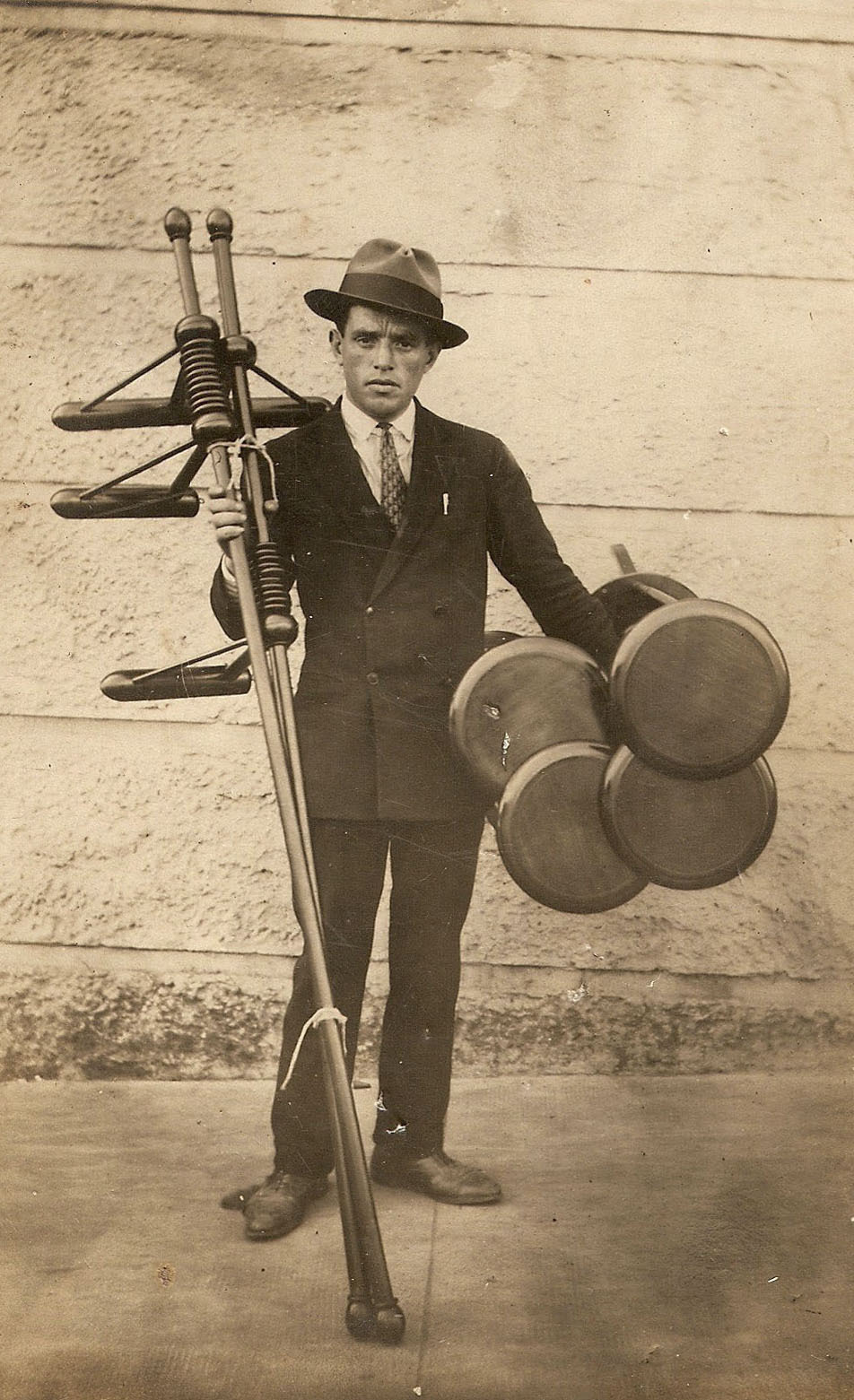
Kubrick the peddler in São Paulo. Courtesy of the Museu Judaico de São Paulo
INTRODUCTION
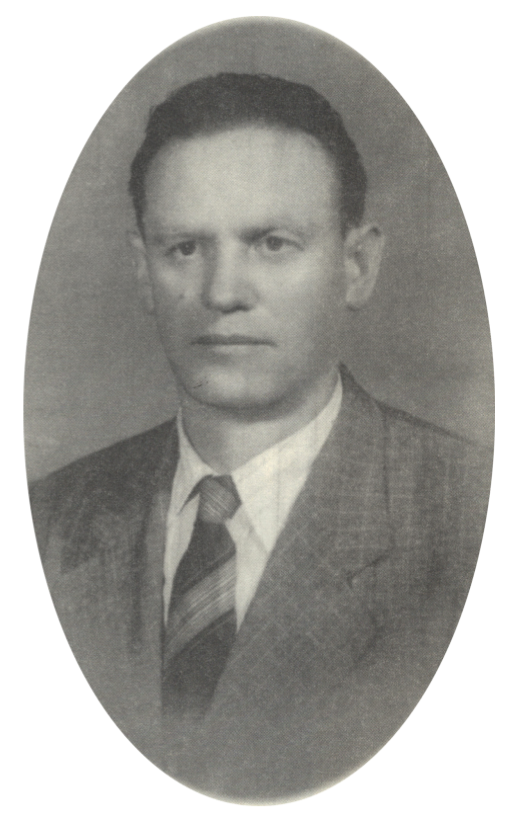
Meir Kucinski (1904–1976) was born in Włocławek, Poland, the son of a shoemaker and one of nine siblings. He was a member of the Bund and of the Left Poalei Tzion. He immigrated in 1935 to Brazil, where he worked as a klyenteltshik (peddler) and later became a Yiddish teacher, writer, and political activist. In 1947, he received an award for his short story “Der giber” from Di tsukunft. His two published books are Nusekh Brazil (1963) and Di palme benkt tsu der sosne (1985, posthumous). He had three children: Wolf, Bernardo, and Ana Rosa, who was a victim of the Brazilian dictatorship and remains missing.
“Itzikl, der Goldklaper” is a short story by Kucinski, originally published in the Yiddish Brazilian newspaper Der nayer moment in 1951 and later included in the book Nusekh Brazil (Tel Aviv, 1963). Like many lower-class immigrants, Kucinski worked as a peddler in Brazil upon his arrival. He later wrote many stories inspired by his experience and the people and landscapes he encountered.
This story introduces readers to the profession of a goldklaper—an itinerant peddler who traveled through rural Brazil buying small gold items, often from people unaware of their market value. This was not an isolated occupation: A high percentage of Jewish immigrants in Brazil worked as klapers during their first years in the country, before establishing themselves in other trades. The figure of the klaper also appears in the work of the writer Adolfo Kischinhevsky, 1 1 Particularly in his book Naye heymen [New homes] (Yung Brazil, 1932). Available at https://www.yiddishbookcenter.org/collections/yiddish-books/spb-nybc219236/kischinhevsky-adolfo-naye-heymen. among others, reflecting both a common economic path for newcomers and a recurring motif in Brazilian Yiddish literature. Other stories by Kucinski portray klapers who sold different types of merchandise—including, in one ironic case, a Jewish peddler who traded in Catholic saint figurines, in the tale “Di Mona Liza.” 2 2 Meir Kucinski, Nusekh Brazil (Farlag Y. L. Perets, 1963), 88–95.
An “accurate observer of life and social relations in this [Brazilian] society,” 3 3 Rifka Berezin, foreword to Imigrantes, Mascates e Doutores, by Meir Kucinski, trans. and ed. Rifka Berezin and Hadassa Cytrynowicz (Ateliê Editorial, 2002). Kucinski devoted himself to building the conditions for Yiddish literature to thrive in Brazil, both through his own writing and by encouraging a broader literary community, though his efforts met with limited success. He wrote about local themes, culture, and characters, often using Brazilianismen, adapted Portuguese words integrated into Yiddish. In our translation, we chose to preserve several Portuguese words and Yiddish expressions from the original, as well as hybrid forms that combine elements of both languages, to retain the cultural and oral texture of Brazilian Yiddish. Examples include Portuguese terms such as fazendeiro, praia, pinga, and estrada (rendered in Yiddish as estrade), Yiddish words like klaper (peddler) and griner (newcomer), and Yiddish-Brazilian toponymic hybrids, such as Mozhin-dos-Cruzes. These linguistic traces reflect both the multilingual environment of Kucinski’s characters and the playful, inventive quality of their speech.
The characters in this story embody typical Brazilian types of the time while maintaining a distinct Yiddish flavor: talkative, hyperbolic, and imaginative. According to his son, writer Bernardo Kucinski, Meir was “fascinated by the new setting, by the different types of people, and so he wrote about them. I think Brazil, for him, was a kind of literary adventure, a kind of inspiration. A new type of diaspora.” 4 4 Bernardo Kucinski, interview by Christa Whitney, Wexler Oral History Project, Yiddish Book Center, recorded 2018, São Paulo, Brazil. Available at https://www.yiddishbookcenter.org/collections/oral-histories/interviews/woh-fi-0001067/bernardo-kucinski-2018.
This translation was the result of a collaborative process by our group, the Yidishe Trupe, which meets regularly at Casa do Povo (Folks-Hoyz) in São Paulo to read, research, and discuss Yiddish literature and culture in general. We are a diverse group of readers and translators, ranging in age from our twenties to our sixties and coming from various professional backgrounds including anthropology, history, linguistics, education, and medicine. What unites us is a shared interest in Yiddish language and culture, along with varying degrees of fluency in Yiddish, English, and Portuguese. We began the translation by jointly selecting “Itzikl, der goldklaper” for its rich portrayal of immigrant life in Brazil and the way it captures the humor, rhythm, and multilingual character of Brazilian Yiddish. We also wanted to highlight the little-known history and work of Yiddish writers in Brazil, with Meir Kucinski standing out as a key figure among them. Throughout our work, we met regularly to compare drafts, discuss nuances of meaning, and decide when to preserve Yiddish, Portuguese, or hybrid terms. This back-and-forth not only deepened our understanding of Kucinski’s language but also allowed us to pursue a translation that reflects both the historical context of the story and our shared interpretive voice.
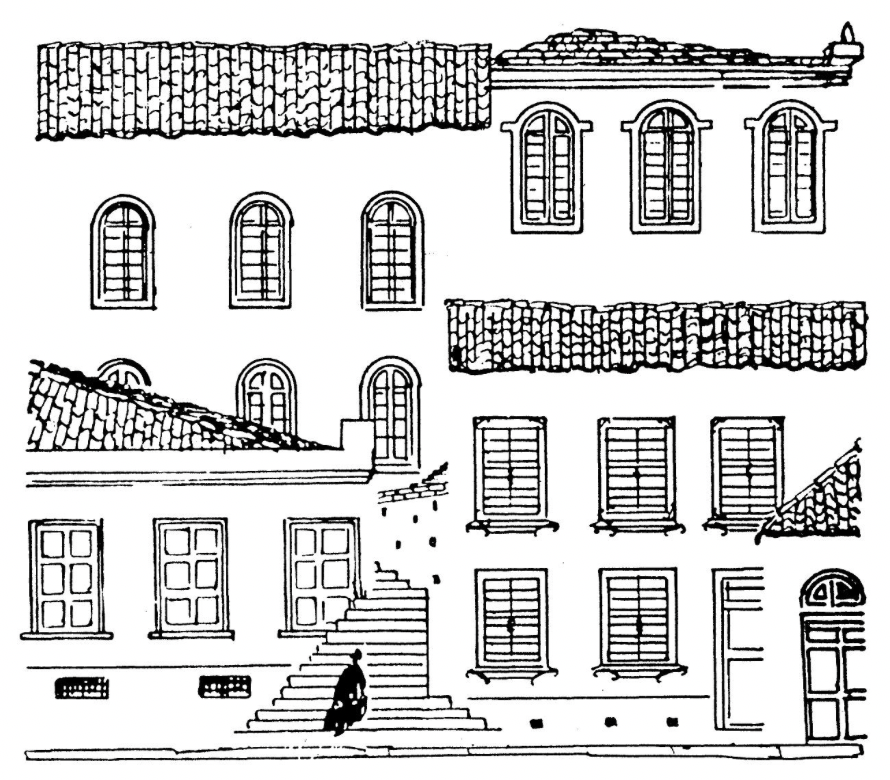
Unsigned illustration from Kucinski’s book Nusekh Brazil
ער איז נישט דזשעק לאָנדאָנס אַ העלד, פֿון די גאָלדזוכערס, צי גאָלדגרעבערס, וואָס האָבן געוואַנדערט אין די קאַליפֿאָרנישע און אַלאַסקישע מידבריות מיטן גאָלדהונגער אין האַרצן, מיט אַ פֿיבער, און מיט מעסערס און פּיסטאָלן אין די גאַרטלען.
איציקל איז אַ סטאַשעווער, פֿון פּוילן. איינער פֿון יענע ייִדן, וואָס לאָזן זיך אין די בראַזיליאַנישע ייִשובֿים זוכן שיריים גאָלד, פֿאַרוואַלגערטע אין דאָרפֿישע שטיבער, בײַ מענטשן, וואָס קענען זיך נישט אויפֿן פּרײַז פֿון געלן מעטאַל און עס ליגט ערגעץ, ווי ברוך, אין די אַלטפֿרענקישע מעבלשטיקער, נאָך פֿון די קאָלאָניאַלע צײַטן, אַ זכר פֿון די פּאָרטוגעזישע שווערדהעלדן. איבער די וועגן חזרן זיי איבער מאָנאָטאָן:
„כ'קויף אַלט, צעבראָכן גאָלד, פֿאַרזשאַווערטס: אַלטע גאָלדענע ציין, צעבראָכענע קייטלעך“.
באַקומט אַ גאָלדקלאַפּער אין האַנט אַרײַן אַ שטיקל „אַלט, פֿאַרזשאַווערט“ גאָלד, — מעגט איר זיכער זײַן, אַז עס בלײַבט בײַ אים. צי ער באַצאָלט יושרדיק, צי ער נאַרט אויס, — עס איז זײַנס.
משפּחהדיקס איז פֿאַראַן צווצהיצישן ייִדישן גאָלדקלאַפּער און די דזשעק־לאָנדאָנישע גאָלדגרעבערס און אַוואַנטוריסטן: די צעהיצטע פֿאַנטאַזיע. די דזשעק־לאָנדאָנישע העלדן זענען אָבער פֿאַרביסענע שווײַגער און די ייִדישע גאָלדזוכערס — באַרימערס און „דיכטערס“...
אַז איציקל איז געקומען פֿון סטאַשעוו דאָ אַהער, האָבן זיך אַ סך בני־עיר זײַנע שוין געהאַט גוט אַרויפֿגעאַרבעט, אַ טייל בײַ קליענטעלע און אַ טייל טאַקע בײַ „גאָלד“. איציקל, נאָכן מוטשען זיך אַ צײַט בײַ אַנדערע געשעפֿטן, איז אַרײַן אין מיסחר פֿון גאָלד מיטן גאַנצן לעבן און מיטן באַקאַנטן הונגער נאָך פּרנסה.
צי האָט ער זיך אַרויפֿגעאַרבעט נאָך יאָרן „קלאַפּן“ ווייסט מען נישט. ער איז אָבער דער העלד פֿון די באַרימערײַען און פֿאַנטאַזיעס צווישן אַלע סטאַשעווער גאָלדקלאַפּערס.
קומט דער זונטיק, קלײַבן זיך אַלע צוזאַמען בײַ אַ טישל אין קאַפֿעהויז און איציקל דיכטעט:
— אַז כ'בין געווען אַ גרינער, האָב איך פֿאַרדינט אַ קאָנטע אַ טאָג, אַ קאָנטע אַ טאָג.
— בײַ גאָלד, איציקל?
— נאָך נישט געווען דעמאָלט קיין גאָלד... דעמאָלט איז געגאַנגען „אַן אונטערגעגאַנגענע שיף“: איך נעם מיר אַ גומי־קאַפּע אין באָם־רעטיראָ, פֿאַר אַ 40 מיל, וואַרף זי אַריבער אויף די פּלייצעס און שפּאַציר אַרויף און אַראָפּ אין סאַנטאָס, בײַ דער פּרײַע, דאָרט, בײַ די רײַכע האָטעלן און קאַסינאָס. שפּאַציר איך אַזוי לאַנג ביז די הערשאַפֿטן בײַ די טישלעך ווערן אויפֿמערקזאַם און פֿרעגן מיך:
„ווילסט עפּעס, סעניאָר, זוכסט עפּעס?“
— דערצייל איך זיי אויף ענגלישן שטום־לשון:
„מיסטערס! מײַן שיף איז אונטערגעגאַנגען... פֿאַרמעגן פֿאַרלוירן. אין קעשענע נישטאָ קיין פּעני. אַ גומי־מאַנטל פֿון מאַנטשעסטער, געקאָסט 12 פֿונט. פֿאַר 8 פֿונט פֿאַרקויף איך.“
זיצן זיך דאָרט אין די קאַסינאָס, — דיכטעט אַלץ איציקל, — די רײַכע פֿאַזענדייראָס, ווי איר ווייסט, אויסגעשוואָליעטע, וואָס ווילן זיך אויספֿײַנערן פֿאַר זייערע נקבֿות. געהערט אַן ענגלישן גומי־מאַנטל, „ריין מאַנטשעסטער“, ווערט בײַ זיי אַ דינגעניש און אַלע ווילן קויפֿן. האָב איך שוין געקריגן קאָסטנפּרײַז: 12 פֿונט!
פֿאַרטיק געוואָרן מיט איין קאַסינאָ, גענומען נאָך אַ מאַנטל און ווידער דאָס אייגענע בײַ אַ צווייטער קאַסינאָ: „אַ שיף אונטערגעגאַנגען“... אַזוי האָב איך פֿאַרדינט אַ קאָנטע אַ טאָג, אַ קאָנטע אַ טאָג“.
די טישזיצערס ווערן ברייטער און לענגער פֿון הנאה פֿון איציקלס גוזמאָות, וואָס זיי האָבן שוין געהערט מער ווי איין מאָל. איינער אַ סטאַשעווער, אַ פֿעסט ייִדל, אַ גאָלדקלאַפּער, וואָס האָט זיך גוט אַרויפֿגעאַרבעט און האָט ליב, לויטן שטייגער פֿון אַ גבֿיר, צו הערן באַרימערישע מעשׂיות פֿון קבצנים, רופֿט זיך אָן:
— לאָז שוין אָפּ די דערטרונקענע שיף, איציקל. דערצייל בעסער די מעשׂה מיט די שעלקעס!
— וואָס איז דאָ צו דערציילן, — אַ פּשוטע מעשׂה:
„אַז כ'בין צוריקגעפֿאָרן פֿון מינאַס, װוּ כ'האָב אָנגעקלאַפּט אַ מאַסע גאָלד, בין איך אַראָפּ אויף דער סטאַציע אין מאָזשין־דאָס־קרוזעס כאַפּן אַ קאַוועלע. ערשט געטראָפֿן אַ באַקאַנטן פֿאַזענדייראָ און פֿאַרפֿירט מיט אים אַ שמועס. מיר פֿאַררייכערן אַ סיגאַרעט, ערשט פּלוצלינג — דער צוג רירט זיך. נו, שפּרינג איך אַרויף אויפֿן צוג, — כ'האָב דאָרט געהאַט איבערגעלאָזט מײַנע פּעק גאָלד, — גיט זיך אַ שעלקע אַ זאַטשעפּע אין אַ סלופּ פֿון מאָזשינער סטאַציע... די באַן פֿאָרט און די שעלקע ציט זיך און ציט זיך...
ערשט, אָנקומענדיק אין אַ שעה אַרום צו דער סטאַציע דע־נאָרטע, קריג איך אַ שנעל פֿון דער שעלקע. זי איז דעמאָלט אָפּגעשפּרונגען פֿון מאָזשין!“
איציקל קוקט זיך אַרום אויף דער אוידיטאָריע. חבֿרה, אַרויפֿגעאַרבעטע גאָלדקלאַפּערס, קוועלן פֿון זײַנע מעשׂיות. פֿון זייערע פּנימער לייענט מען אַראָפּ די גראָבע הנאה. ער אַליין, איציקל, איז אַ בלאַסער, מיט גרויסע טיפֿע אויגן, אַ מעפֿיסטאָפֿל־מאַסקע, וואָס מע קען קיין מאָל נישט דערגיין דערפֿון דעם אמת!: צי האָט ער געלט, צי איז ער אַ דלפֿון. טייל זאָגן, אַז ער האָט געלט, אַ סך געלט „אין די בענק“. טייל זאָגן אַז, אַדרבא, ער איז אַן אָרעמאַן, וואָס האָט אַפֿילו נישט אויף אַ רעמעדיע פֿאַר די קינדער.
— נו, איציקל, און די וואָך האָסטו עפּעס געמאַכט? געהאַט אַ גוטע וואָך? װוּ ביסטו געפֿאָרן קלאַפּן? ווידער אין מינאַס? — פֿרעגט אים דער זעלבער „קלאַפּער“.
— הייסט דערלאַנגען אַ קאַוועלע, וועל איך אײַך דערציילן, ווי אַזוי כ'האָב געמאַכט דעם חודש מיט איין מאָל, מיט איין קלאַפּ, און איציקל שפּינט:
„געווען איז עס אין דער שטאָט פֿון טבֿיהס ו ל ח ל ק ל ק ו ת, ווי הייסט זי: אַראַקאַסאַבאַטובאַ. אַ מאָל איז דאָרט געווען אַ סך גאָלד... געװאַלגערט זיך אין אַלע שאַקרעס. דאָס מאָל גיי איך אַזוי אַ גאַנצן טאָג פֿון איין שאַקרע צו דער צווייטער, פֿון פֿאַזענדע צו סיטיע און — גאָרנישט, נישטאָ קיין פּעטשאַטעק.
קוים זיך געשלעפּט, נישט געהאַט קיין כּוח אַפֿילו צוריקצוגיין צו דער סטאַציע אַהיימצופֿאָרן. איר ווייסט דאָך: אַז מע מאַכט גאָרנישט, ווערט מען מיד, פֿאַרלירט מען די כּוחות. די זון שׂרפֿעט, — אַ פֿײַער פֿון הימל, נישטאָ אַפֿילו וווּ אַ טרונק צו געבן. קלער איך, כ'וועל נאָך צוגיין צו דער גרויסער פֿאַזענדע, צו דער לעצטער, אויף דער עסטראַדע.
קוים זיך צוגעשלעפּט צו דעם טויער, קלאַפּ איך אָן דרײַ מאָל מיטן שטעקן!
קומט מיר אַרויס אַ שוואַרצער און פֿרעגט:
„קע דעסעזשאַ? ווער ביסטו, וואָס ווילסטו?“ ענטפֿער איך:
„כ'האָב אַ געשעפֿט צום פּריץ, צום פֿאַזענדייראָ. גיי זאָג דײַן דאָנאָ, אַז אַ רוסאָ האָט צו אים אַ געשעפֿט.“
איציקל שטעלט זיך אָפּ. קוקט מיט פֿאַראַכטונג אויף זײַנע צוהערערס:
„איר ווייסט דאָך, אַז איך האָב פֿײַנט האָבן צו טאָן מיט משרתים. איך גיי שטענדיק צום דאָנאָ.
מײַן פּריץ האָט געהערט אַ רוסאָ, קומט ער אַראָפּ, דערלאַנגט מיר מיט פּאָוואַזשעניע די האַנט און פֿרעגט מיך:
„וואָס ווילסטו פֿאַרקויפֿן? און אפֿשר ווילסטו עפּעס קויפֿן?“ ענטפֿער איך קורץ און שאַרף:
איך קױף אויף גאָלד! אַלט גאָלד. און איך עפֿן אויף מײַן פּאָרטפֿעל און װײַז ס'פּאַפּיר פֿון היגן מלכות, אַז איך, איציקל פֿון סטאַשעוו, בין רעקאָמענדירט אויפֿצוקויפֿן גאָלד פֿאַר דער „באַנקאָ דע בראַזיל“. מילא, איר ווייסט דאָך…
רופֿט זיך אָפּ דער פֿאַזענדייראָ:
„זעסט די קייט, וואָס דער הונט איז מיט איר צוגעבונדן צו דער בודע? זאָג, רוסאָ, וויפֿל איז זי ווערט?“
כ'גיב אַ קוק, — או־וואַ! — אַ גאָלדענע קייט, זהבֿ־טהור... אפֿשר אַ פּוד די וואָג... כ'נעם מײַן צווענגל, וואָס כ'טראָג שטענדיק מיט זיך און בײַם באַטראַכטן די קייט פּרוביר איך אָפּצובײַסן אַ פּאָר רינגען. ס'הייבט זיך נישט אָן! האַרט ווי שטאָל! דער פּריץ באַפֿעלט צו ברענגען אַ קאָוואַדלע מיט אַ שווערן האַמער און מיט אַלע כּוחות האַקן מיר אָפּ אַ שפּאָר ביסל רינגען פֿון דער קייט. מיט אַ פֿורל האָב איך זיי צוגעשלעפּט צו דער סטאַציע פֿון אַראַקאַסאַבאַטובאַ, באַצאָלט אַ שיבוש דעם פֿאַזענדייראָ, זיך געזעגנט מיט אים בײַ אַ כּוסע פּינגאַ (בראָנפֿן), און אַהיימקומענדיק האָב איך אָנגעזאָגט ס'ווײַב אַ בשׂורה: „געמאַכט ס'יאָר! אַ פּוד גאָלד!“
איציקל זאָגט עס טרוקן, כּמעט מעלאַנכאָליש און עס דוכט זיך אַפֿילו, אַז ער האָט גאָר שטיל אָפּגעזיפֿצט. חבֿרה גאָלדקלאַפּער דערשרעקן זיך פֿונדעסטוועגן, כאָטש זיי קענען שוין איציקלס גוזמאָות. אָבער אַ קשיא אויף איציקלען? אפֿשר איז עס אמת?
איינער קאָן עס נישט פֿאַרטראָגן. אַ קלייניקייט, אַ פּוד גאָלד?! און שטייט צו:
— וויפֿל וועסטו אַרונטערלאָזן? אפֿשר איז עס אַ ביסל ווייניקער.
— מילא, זאָל זײַן ווייניקער. אַ האַלבער פּוד איז זיכער געווען…
— אַ האַלבער פּוד?! גאָרנישט ווייניקער?
— מילא, זאָל זײַן ווייניקער. אַ קילאָ איז זיכער געווען…
ווערט דער עולם שוין פֿריילעך, אַראָפּ אַ שטיין פֿון האַרצן... דער דיקער סטאַשעווער נעמט זיך צו איציקלען שטרענג:
— זאָג דעם אמת, איציקל, וויפֿל גאָלד האָסטו געמאַכט בײַם פֿאַזענדייראָ אין אַראַקאַסאַבאַטובאַ?
איציקל הייבט אויף זײַנע גרויסע, טיפֿע און טרויעריקע אויגן, באַטראַכט דעם גראָבן לאַנדסמאַן זײַנעם און ענטפֿערט אים געלאַסן:
— ווילסט וויסן? — פֿאָר אַהין, וועסטו געווויר ווערן. אַ שטיקל קייט איז דאָרט נאָך געבליבן; נאָר גיב אַכטונג אויפֿן הונט...
He’s no Jack London hero, not a gold seeker or gold grubber roaming the deserts of California or Alaska with a craving for gold, feverish, with knives and pistols in his holster.
Itzikl is a Stashever 5 5 A Yiddish term for someone from Stashev (Staszów, in Polish). from Poland. He’s one of these Jews who went looking for leftover gold in the villages of Brazil, wandering into the houses of people who don’t know the value of yellow metals that lie, like scrap, in old-fashioned furniture from colonial times, a souvenir from the Portuguese heroes with their swords. On the roads, they repeat in a monotone: “I am buying old, cracked, rusty gold; old gold teeth, broken necklaces.”
When a goldklaper 6 6 Peddler, in Yiddish. gets his hands on a piece of that “old rusty” gold, you can bet he’ll keep it, whether he pays properly or cheats. Jewish goldklapers and Jack London’s gold prospectors and adventurers alike share a fiery imagination. The Jack London types, though, are silent and stubborn; the Jewish gold seekers, on the other hand, are poets and braggarts.
When Itzikl arrived here from Stashev, many of his fellow countrymen had already made it in business, some from peddling, others from that same gold. Itzikl, having toiled some time in other commerce, launched himself into the gold trade with all his heart and that proverbial hunger for livelihood.
No one knows whether he succeeded after years of klapering. But he’s the much-vaunted, fantastic hero of the Stashev goldklaper scene.
Every Sunday, they all gather around a coffeehouse table, and Itzikl recites his part:
“When I was a griner 7 7 Greenhorn, a newcomer. I used to earn one conto 8 8 Conto was an informal term used in Brazil and Portugal to refer to one thousand milréis (1 conto = 1.000$000), a significant sum of money at the time. In the early twentieth century, one conto could be roughly equivalent to £50–£100, depending on the year and exchange rate. The term remained in colloquial use well into the twentieth century as shorthand for “a large amount of money.” a day, a conto a day.”
“From gold, Itzikl?”
“Not yet, at that time it wasn’t from gold . . . Back then, I’d do my ‘shipwreck’ act: I’d buy a raincoat in Bom Retiro 9 9 A traditional Jewish neighborhood in São Paulo. for forty milréis, 10 10 Brazilian currency of the time. cast it over my shoulders, and stroll up and down Santos, 11 11 A coastal city and the nearest harbor to São Paulo. by the praie 12 12 “Praia,” beach, with a Yiddish accent. where the fancy hotels and casinos are. I’d walk past the tables enough times for the rich folks to notice me.
“‘Can I help you, senhor? 13 13 Sir What are you looking for?’ they’d ask me. Gesturing with my hands, in English, I’d tell them: ‘Misters! My ship sank . . . I’ve lost everything! Not a single penny in my pocket. Only a raincoat from Manchester, it cost me twelve pounds. I’ll sell it for eight.’
“Sitting there in the casinos,” Itzikl goes on, “would be the rich fazendeiros, 14 14 Farmer. as you know, well-fed, wanting to show off to their broads. When they’d hear about an English raincoat, a ‘Manchester original,’ they’d start haggling—everyone wanted to buy it. So I would earn back the cost: twelve pounds!
“As soon as I’d finish with one casino, I’d pick up another coat and do the same in a second casino: ‘A sunken ship’ . . . That’s how I earned a conto a day, a conto a day.”
The people at the table swell with laughter at Itzikl’s tall tales, which they’ve heard more than once. One of them, a Stashever, a tough little guy, speaks up. He’s a goldklaper who’s had success and now enjoys the boastful stories of the poor, as rich men do.
“Enough of the sunken ship, Itzikl. Tell us the story with the suspenders!”
“What’s there to tell? It’s a simple tale:
“When I was returning from Minas, 15 15 Minas Gerais is a Brazilian state, a place known for its gold mines. where I’d peddled a good hunk of gold, I stepped down at the station in Mozhin-dos-Cruzes 16 16 Mogi das Cruzes, a city in São Paulo’s metropolitan area. Mozhin-dos-Cruzes reflects how speakers of Yiddish in Brazil commonly pronounced the name. to have a cup of coffee. I met an acquaintance, a fazendeiro, and we started talking. We smoked a cigarette, and suddenly the train began to move. So I jump back onto the train—where I had left my pack of gold—and my suspender gets hooked to a post at the Mozhin-dos-Cruzes station . . . The train departs, and the suspender’s stretching and stretching . . .
“We get to the Norte 17 17 North Station. station an hour later, and it’s then that the suspender slaps me hard. It snapped back all the way from Mogi!”
Itzikl looks around at the audience. The group, successful goldklapers, relish his stories; coarse pleasure can be read on their faces. Meanwhile, Itzikl’s pale face, with its large and deep eyes, wears the mask of Mephistopheles. It won’t tell you the truth: Is he well-off, or is he a pauper? Some say he has money, plenty in the bank. Others say it’s the opposite: He’s a poor man who can’t even afford medicine for his children.
“So, Itzikl, and what did you do this week? Was it a good one? Where’d you go peddling? Minas again?” the same klaper asks him.
“Get me a coffee, and I’ll tell you how I earned a month’s pay in a single deal.”
And Itzikl goes on spinning tales:
“It happened in Tevye’s 18 18 Sholem Aleichem’s famous character. town, Vlakhlaklakois, that is, Aracaçabatuba. 19 19 Vlakhlaklakois is a word drawn from the Book of Psalms meaning “dark and slippery.” Tevye uses it mockingly to taunt non-Jewish peasants who are unable to pronounce it. The comic reversal here is that, in the Brazilian context, it is the Jew who struggles to pronounce the “gentile” name Aracaçabatuba. There was a lot of gold there once . . . It abounded in all the chácaras. 20 20 A small farm. This one time, I went around all day long from one chácara to the next, from fazenda to sítio, 21 21 A rural property, intermediate in size between a chácara and a fazenda. and nothing. Not a single deal.
“I was barely dragging myself forward, I had no energy left, not even to return to the station and go back home. You know how it is: When we earn nothing, we get tired and lose all our strength. The sun was burning, a fire from the sky, and nowhere around to get something to drink. I thought to myself: I’ll still make a final effort and go to the biggest fazenda, the last one on the estrade. 22 22 “Estrada,” road, with a Yiddish accent.
“With my last remaining strength, I dragged myself to the gate and knocked three times with my stick. “A shvartser 23 23 Shvartser (from Yiddish shvarts, meaning “black”) was historically used by Yiddish speakers in reference to Black people. While it may have once functioned as a neutral descriptor, especially in immigrant dialects, it has acquired pejorative connotations over time and is now considered offensive in most contexts. Its appearance here reflects the speech and attitudes of the period and setting. came out and asked: ‘O que deseja? 24 24 “What can I do for you?” Who are you? What do you want?’
“I tell him: ‘I have some business with the landlord, with the fazendeiro. Go tell your boss that a russo 25 25 Russian. In Brazilian usage, russo often functioned as a generic label for Jewish immigrants from Eastern Europe, being in practice a synonym for “Jew.” Klapers were also known as russos da prestação (“installment Russians”). has a deal for him.’”
Itzikl pauses. He looks at his listeners contemptuously: “You know that I hate having to deal with servants. I always go straight to the boss.”
“Hearing the word ‘russo,’ our dear landlord came down, greeted me with a respectful handshake, and asked: ‘What do you want to sell? Or perhaps you want to buy something?’
“I replied, short and sweet: ‘I’m buying gold! Old gold.’ I opened my wallet and showed him a document from the local government endorsing me, Itzikl from Stashev, to acquire gold for the Banco do Brasil. 26 26 Brazil’s national bank. Anyhow, I don’t have to tell you that part . . .
“The fazendeiro says to me: ‘Do you see that chain that attaches the dog to the kennel? Tell me, russo, how much is it worth?’
“I glanced at it—uh-vah!—a golden chain, pure gold . . . It weighed around a pud 27 27 Russian weight measure equivalent to thirty-six pounds. . . . I picked up my pliers, which I always carry with me, examined the chain, and tried to snap a few rings off. No way! Hard as steel! The landlord ordered an anvil and a heavy hammer to be brought, and with all our might, we managed to break off quite a few rings from the chain. I brought them to the Aracaçabatuba station in a wheelbarrow and paid the fazendeiro peanuts. We said farewell with a gulp of pinga, and when I arrived home, I told my wife the news: I broke the bank! A pud of gold!”
Itzikl says this last part dryly, almost gloomily, and it seems he’s even let out a quiet sigh. The goldklapers are astonished, even though they’re used to Itzikl’s exaggerations. Could this be true? With Itzikl, you never know . . .
One of them can’t take it anymore: a trifle, a pud of gold?!
So he adds, “How low can you go? It was probably at least a little less than that . . .”
“So be it, it’s a little less . . . Certainly half a pud . . .”
“Half a pud?! And no less?”
“So be it, a little less. Certainly one kilo . . .”
The audience, relieved, grows excited . . . The heavy-built Stashever addresses him sharply: “Tell us the truth, Itzikl, how much did you make with the fazendeiro in Aracaçabatuba?”
Itzikl raises his big, deep, and sad eyes, stares at his rough fellow countryman, and answers calmly: “You wanna know? Go there, you’ll find out. A piece of the chain is still hanging. But watch out for the dog . . .”