Feb 02, 2026
INTRODUCTION
When we learned that the League for Yiddish was hiring a new Executive Director, we felt that it was the perfect time for our readers to have an opportunity to learn more about this organization and the many projects it pursues. In this interview, In geveb’s Managing Editor Jacqueline Nekhe Krass sits down with Gitl Schaechter-Viswanath, chair of the board of the League for Yiddish, to learn more about the history and future of that organization.
נעכע קראַס: ערשטנס, קענסט מיר דערציילן װעגן דער ייִדיש־ליגע בכלל: װען איז זי געגרינדעט געװאָרן? װאָס איז איר מיסיע? װאָסערע מינים פּראָיעקטן פֿירט מען אָן אונטער איר רשות?
גיטל שעכטער־ווישוואַנאַט: די ייִדיש־ליגע איז פֿאַרלייגט געוואָרן אין 1979 פֿונעם חשובֿן לינגוויסט און באַליבטן ייִדיש־פּראָפֿעסאָר, ד״ר מרדכי שעכטער, וואָס איז—ווי דו ווייסט אַליין—געווען מײַן טאַטע. די ייִדיש־ליגע—וואָס שטיצט דעם באַניץ פֿון אַ הײַנטצײַטיק ייִדיש־לשון אין אַלע אַספּעקטן פֿונעם טאָג־טעגלעכן לעבן—איז אָבער פֿאַקטיש געווען אַ נײַער גילגול פֿון אַ פֿריִערדיקער אָרגאַניזאַציע, די פֿרײַלאַנד־ליגע פֿאַר ייִדישער טעריטאָריאַליסטישער קאָלאָניזאַציע.
ד״ר שעכטער—אַ פֿאַרברענטער ייִדישיסט און טעריטאָריאַליסט—איז געוואָרן אַקטיוו אין דער פֿרײַלאַנד־ליגע אין 1951 (נאָך זײַן אָנקומען אין אַמעריקע) און איז אין 1957 געוואָרן דער דריטער רעדאַקטאָר פֿונעם אויפֿן שוועל, דעם זשורנאַל פֿון דער פֿרײַלאַנד־ליגע. פֿאַרבליבן דער רעדאַקטאָר איז ער אַזש ביז ער האָט זיך פּענסיאָנירט אין 2004, ד״ה, 47 יאָר לאַנג. אין משך פֿון זײַן פֿירערשאַפֿט האָט ער מיט דער צײַט געקוקט דעם טעריטאָריאַליסטישן גורל אין פּנים אַרײַן און געביטן דעם פֿאָקוס פֿון דער אָרגאַניזאַציע: פֿון טעריטאָריאַליזם אויף ריין ייִדיש־קולטורעלע און ־שפּראַכיקע צילן. ערשט אין 1979 האָט ד״ר שעכטער עס דערפֿירט צו אַן אָפֿיציעלן בײַט, און לעגאַל געביטן דעם נאָמען אויף ייִדיש־ליגע, מיט אַ באַנײַטער מיסיע און פּרינציפּן.
וואָס זשע זענען די פּרינציפּן פֿון דער ייִדיש־ליגע? פּשוט גערעדט:
- מוטיקן ייִדיש־רעדערס, אַז מע זאָל רעדן ייִדיש אינעם טאָג־טעגלעכן לעבן
- פֿאַרשפּרייטן דאָס וויסן וועגן ייִדיש ווי אַ לעבעדיקע שפּראַך
- שטיצן די ליטעראַרישע און קינסטלערישע שאַפֿערישקייט אויף ייִדיש
- שטיצן די מאָדערניזירונג פֿון מאַמע־לשון
ווי אַזוי דערגרייכן מיר די צילן?
נו, דעם אויפֿן שוועל האָבן מיר שוין דערמאָנט. דער זשורנאַל—אין גאַנצן אויף ייִדיש—גייט אַרויס צוויי מאָל אין יאָר און איז אַן אוניקאַלער פֿאָרום פֿאַר אַרטיקלען, עסייען, זכרונות, בעלעטריסטיק, פּאָעזיע און נאָך. אונטער דער מוטיקונג פֿון אונדזער הײַנטיקער שעף־רעדאַקטאָרשע, מרים טרין, האָבן עטלעכע נײַע יונגע שרײַבערס זיך שוין געדרוקט בײַ אונדז, און כאָטש איינע האָט ערשט אַרויסגעלאָזט איר ערשט ביכל דערציילונגען.
הײַיאָר פּראַווען מיר 85 יאָר אויפֿן שוועל, וואָס איז צום ערשטן מאָל אַרויס אין 1941. נישט קיין קלייניקייט פֿאַר אַ געדרוקטן זשורנאַל! איבער הויפּט אַז מע נעמט אין באַטראַכט די ריזיקע בײַטן וואָס מיר לעבן הײַנט איבער בײַם לייענען און אײַנזאַפּן ליטעראַטור. (פֿאַר די וואָס ווילן גיכער לייענען פֿון אַן עקראַן שטעלן מיר איצט צו אַ פּע־דע־עף פֿון יעדן נומער.)
וואָס נאָך? אונדזער פּראָגראַם־ און ווערביר־דירעקטאָר אלי בענעדיקט פֿירט אַדורך אינטערוויוען מיט פּערזענלעכקייטן פֿון אַלע עקן ייִדיש־וועלט. מע קען זיי אַלע געפֿינען אויף אונדזער יוטוב־קאַנאַל. די אינטערוויוען זענען אַן אוצר פֿאַר ייִדיש־סטודענטן און ־לערנערס זיך צוצוהערן און זיך צוגעוווינען צו די פֿאַרשידענע קלאַנגען פֿון ייִדיש—און אַוודאי, זיך צו באַקענען מיט גאָר אינטערעסאַנטע ייִדיש־רעדערס און ־טוערס!
Jacqueline Nekhe Krass: First of all, can you generally tell me about the League for Yiddish: When was it founded? What is its mission? What kinds of projects does it promote?
Gitl Schaechter-Viswanath: The League for Yiddish was founded in 1979 by the prominent and beloved Yiddish professor Dr. Mordkhe Schaechter, who—as you know—was my father. The League for Yiddish, which promotes the use of contemporary Yiddish in all aspects of daily life, was actually a new incarnation of a previous organization, the Freeland League for Jewish Territorial Colonization.
Dr. Schaechter—a fervent Yiddishist and territorialist—became active in the Freeland League in 1951 (after his arrival in America), and in 1957 became the third editor of Afn Shvel (On the Threshold), the magazine of the Freeland League. He remained editor for decades until he retired in 2004, for a total of 47 years. During his leadership he took a good look at what remained of the territorialist movement and decided to change the focus of the organization: from territorialist goals to purely Yiddish cultural and linguistic goals. But only in 1979 did Dr. Schaechter make this transition official, and had the name legally changed to the League for Yiddish, with a renewed mission and principles.
What are those principles?
- Actively encouraging people to speak Yiddish on a daily basis
- Expanding the awareness of Yiddish as a living language
- Promoting literary and artistic creativity in Yiddish
- Supporting the modernization of Yiddish
How do we achieve these goals?
Well, we already mentioned Afn Shvel. This magazine—all in Yiddish—is published twice a year and serves as a unique forum for essays, memoirs, fiction, poetry, and more. Under our current editor, Miriam Trinh, several new young writers have published in Afn Shvel, and at least one has now released her own book of short stories in Yiddish.
This year we mark 85 years of Afn Shvel, which was first published in 1941—no small achievement for a print magazine. Especially considering the huge changes in how we read and absorb literature today. (Those who prefer reading from a screen can now receive a pdf of each issue instead.)
Our director of Programming and Engagement Eli Benedict interviews personalities from all corners of the Yiddish world, which can be seen at our YouTube channel. These interviews are a rich resource for Yiddish students and learners to listen and familiarize themselves with the various sounds of Yiddish—not to mention to hear from captivating Yiddish professionals and doers!
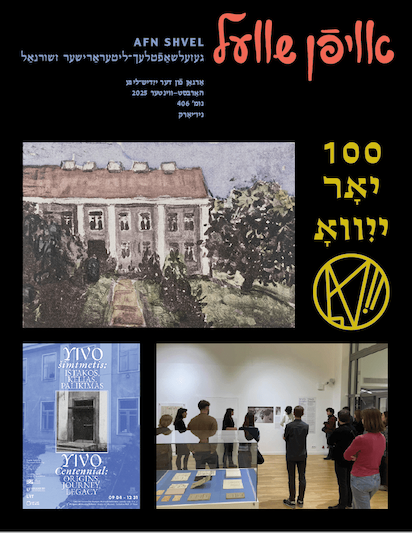
The latest issue of Afn shvel
און ווײַטער? מיר גיבן אַרויס לערן־מאַטעריאַלן, למשל:
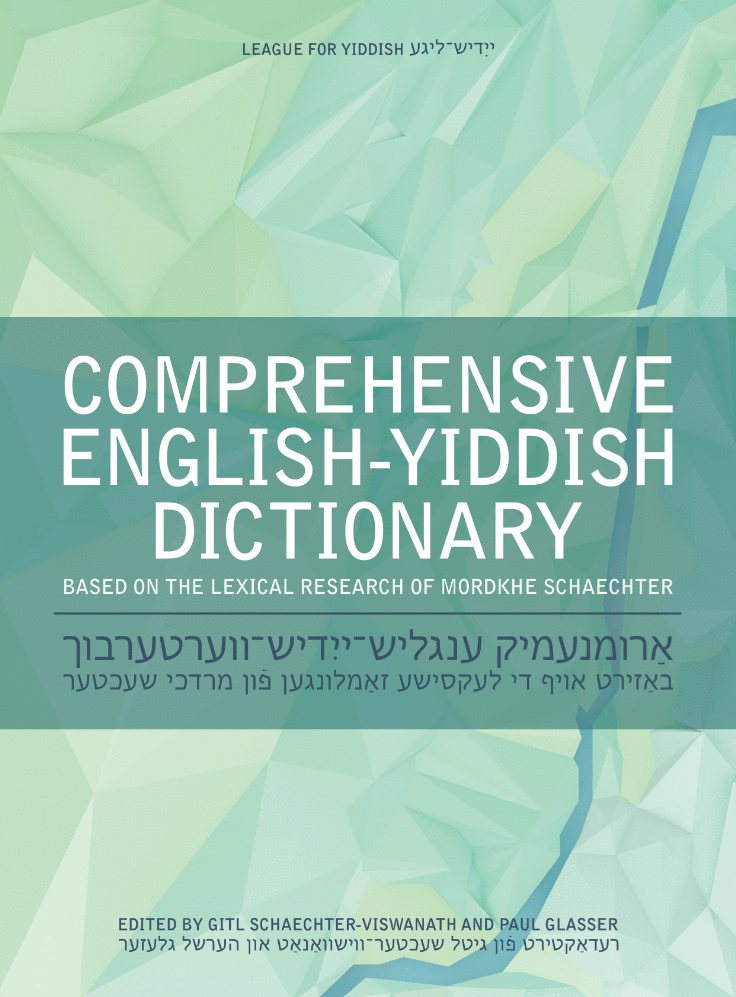
דאָס אַרומנעמיק ענגליש־ייִדיש ווערטערבוך– אויפֿן אָנלײַן־נוסח פֿונעם ווערטערבוך געפֿינען זיך הײַנט מער ווי 3,500 אַקטיווע ניצערס, וואָס האָבן די געלעגנהייט אַרײַנצושיקן קשיות און פֿירלייגן וואָס מיר קוקן איבער און וואָס העלפֿן אונדז דערהײַנטיקן און אויסברייטערן דעם ווערטער־אוצר. אַ לעבעדיקער יש!
די ייִדיש־ליגע האָט אין 2025 אַרויסגעגעבן דעם ערשטן באַנד אין אַ נײַער סעריע, אויפֿן וועג: זיבן דערציילונגען פֿון י.־ל. פּרץ. דאָס האָט משהלע אַלפֿאָנסאָ פֿאַרקירצט און באַאַרבעט די דערציילונגען און אויך געמאַכט די קלאַנג־רעקאָרדירונגען. סע פֿאַרקויפֿט זיך ממש ווי מצה־וואַסער, און מיר הייבן שוין אָן אַרומרעדן אַ צווייטן באַנד. דערצו נאָך פּלאַנירן מיר אין 2026 אַרויסצוגעבן שבֿע צוקערס נאָוואַטאָריש לערנבוך, איך מוז דערציילן, באַזירט אויף אויטאָביאָגראַפֿיעס פֿון ייִדישע פּערזענלעכקייטן.
אַחרון אַחרון חבֿיבֿ: די „ווערטער פֿון דער וואָך“, איניציִיִרט העט אין 2013, פּראַוועט שוין דאָס בר־מיצווה־יאָר–מעג מען אונדז אָפּגעבן מזל־טובֿ! כאַפּט אַ קוק אויף די באַלערעוודיקע, און צום טייל טשיקאַווע, טעמעס אין משך פֿון די יאָרן!
The Comprehensive English-Yiddish Dictionary (CEYD)—the online version, at englishyiddishdictionary.com, currently has more than 3,500 active users, who have the opportunity to send in comments and questions which we review, and which moreover help us to update and expand the dictionary. A living entity!
We recently published the first volume of a new series of student readers, Afn Veg: Zibn Dertseylungen fun Y.-L. Perets, abridged and adapted by Moishele Alfonso, who also produced the sound recordings. It’s become a bestseller, and discussions have already begun about a potential second volume . . .
Right on the heels of that success: This year we plan on publishing Sheva Zucker’s exciting and innovative new textbook, Ikh Muz Dertseyln (I Must Tell You), based on autobiographies of Yiddish personalities. So the student will be learning a bit about the life story of historic Yiddish writers and leaders while studying and speaking their language.
Last but not least: The “Words of the Week,” created way back in 2013, is celebrating its bar mitzvah year—mazl-tov! Take a look at some of the enlightening, and at times unusual, topics published over the years!
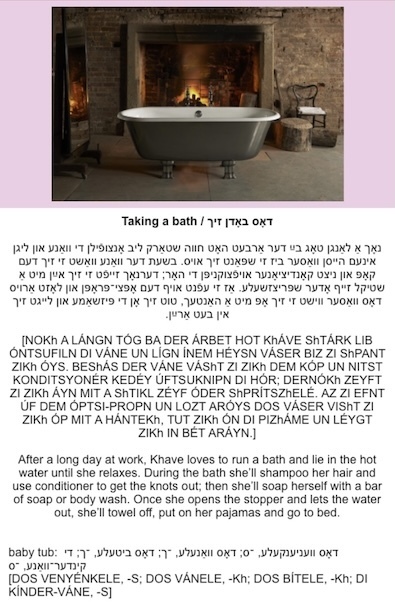
Verter fun der vokh, November 2023
נק: װי לאַנג ביסטו אַליין אַן אָנטיילנעמער אין דער ליגע, בכלל און װי פֿאָרזיצערין? װי אַזױ ביסטו אַרײַן אין דער אַרבעט?
גשװ: איך בין יאָרן לאַנג געווען אַן אומאָפֿיציעלער קאָרעקטאָר בײַם אויפֿן שוועל. (דאָס איז, פֿאַרשטייט זיך, געווען די טעג פֿאַר דיגיטאַליזירטע דרוקערײַען, ווען מ׳האָט אַלץ רעדאַקטירט מיט אַ רויטער פּען!) ערשט אין 1999 האָט מען מיך פֿאָרמעל אַרײַנגענומען אין דער רעדקאָלעגיע. אַז דער טאַטע האָט אין 2004 באַשלאָסן אָפּצוטרעטן ווי דער אויספֿיר־דירעקטאָר פֿון דער ייִדיש־ליגע, האָט ער פֿאַררופֿן אַ זיצונג פֿון זײַנע נאָענטע און קאָלעגעס—און מ׳האָט דעמאָלט אַרײַנגעצױגן נײַע, ייִנגערע מיטגלידער צו דער עקזעקוטיווע, מיך בתוכם. טאַקע דעמאָלט האָב איך אָנגענומען די לייצעס ווי דער פֿאָרזיצער. מיר האָבן אָנגעשטעלט שבֿע צוקער ווי די שעף־רעדאַקטאָרשע און אויספֿיר־דירעקטאָרשע, און זי האָט געטרײַ געדינט פֿופֿצן יאָר לאַנג, ביז 2020. איך ווייס נישט צי זי האָט געהאַט אַ פֿאָרגעפֿיל צי וואָס, אָבער זי האָט זיך פּענסיאָנירט ממש איין חודש איידער די פּאַנדעמיע האָט „פֿאַרמאַכט“ די וועלט . . . די אַרבעט פֿון דער ייִדיש־ליגע איז אָבער ווײַטער אָנגעגאַנגען, דורכן נײַעם קאָמוניקיר־מיטל—זום!
נק: װי אַזױ האָט די ייִדיש־ליגע זיך געביטן דורך די יאָרן? װאָס װילט איר טאָן אין דער צוקונפֿט?
גשװ: אין משך פֿון די 47 יאָר זינט איר בראשית האָט די ייִדיש־ליגע זיך שטאַרק צעוואַקסן און געביטן: צום סאַמע וויכטיקסטן—מיר זענען אַרײַן אינעם איין און צוואָנציקסטן יאָרהונדערט. מיר האָבן דיגיטיזירט כּמעט אונדזער גאַנצע אַרבעט. אויס קאַרטאָטעקן! הײַנט—דאַטן־באַזעס!
מיר זענען אַריבער פֿון אַ קליינפֿאָרמאַטיקן, שוואַרץ־אויף־ווײַסן זשורנאַל אויף אַ היפּש גרעסערן, שיין געזעצטן און מיט קאָליר—אַ מחיה צו האַלטן אין די הענט.
מיר זענען געוואָרן אַקטיווע ניצערס אין דער סאָציאַלער מעדיע, און האָבן דערבײַ געשטאַרקט דעם שטיץ מצד אונדזערע מיטגלידער.
לעצטנס האָבן מיר אָרגאַניזירט אַ נײַעם זומישן שמועסקרײַז כּדי צו פֿאַרגרעסערן דעם טראָפּ אויפֿן גערעדטן ייִדישן וואָרט.
קוקנדיק פֿאָרויס האָבן מיר מיט דער צײַט באַוויזן אַרײַנצוציִען אַלץ ייִנגערע מיטאַרבעטערס סײַ אין דער אָרגאַניזאַציע, סײַ אויף דער עקזעקוטיווע. און פֿאָרט—די אָרגאַניזאַציע פֿירט זיך ווײַטער כּמעט אין גאַנצן אויף ייִדיש.
וואָס נאָך ווילן מיר אויפֿטון אין די קומעדיקע יאָרן?
- מיר אַרבעטן שוין לאַנג אויף אַ נײַ צוויישפּראַכיק וועבזײַטל, וואָס וועט מערטשעם דעביוטירן אין 2026 און וועט זײַן אַ וויכטיקער רעסורס פֿאַר ייִדיש־סטודענטן און ־ענטוזיאַסטן!
- מיר וועלן ווײַטער צושטעלן נײַע פּעדאַגאָגישע מאַטעריאַלן ווײַל דאָס טאַקע דאַרף נייטיק דער עולם פֿון ייִדיש־לערנערס.
- מיר פּלאַנירן צוצושטעלן סעמינאַרן צו לערנען סײַ וועגן ייִדיש, סײַ ווי אַזוי בעסער צו שרײַבן און רעדן אויף אַ הײַנטצײַטיקן מאַמע־לשון.
- מיר ווילן אויסברייטערן אונדזער דיגיטאַלישע שפּור.
נק: האָסטו אַ באַליבטן פּראָיעקט, עפּעס װאָס איז דיר ספּעציעל נאָענט צום האַרצן?
גשװ: פֿאַקטיש האָב איך צוויי באַליבטע פּראָיעקטן: סײַ דאָס אַרומנעמיק ענגליש־ייִדיש ווערטערבוך סײַ „ווערטער פֿון דער וואָך“. אַנו, זאָג מיר וואָס זיי האָבן בשותּפֿות איינס מיטן צווייטן? ריכטיק—ווערטער! ווייסט דאָך אַוודאי אַז איך בין אויך אַ ייִדישע פּאָעטעסע, און צווישן מײַנע אייגענע באַליבטסטע לידער זענען די וווּ איך שפּיל זיך מיט ווערטער.
ווען איך אַרבעט אויף די צוויי פּראָיעקטן זענען זיי בײַ מיר שאַפֿערישע פּראָיעקטן. וואָס טו איך מיטן ווערטערבוך? ערשטנס, וואָס מער מע לייענט די ייִדישע ליטעראַטור אַלץ מער געפֿינט מען נײַע סינאָנימען און נײַע אויסדרוקן וואָס געפֿינען זיך נאָך נישט אינעם ווערטערבוך. חוץ דעם געפֿינט זיך אויפֿן אָנלײַן־ווערטערבוך אַ מין אינטעראַקטיוו קעסטעלע וווּ דער ניצער קען אַליין אַרײַנשיקן קאָמענטאַרן. און מע שיקט טאַקע! נו, זעץ איך זיך אַוועק אַרום איין מאָל אַ חודש, מיט אַ גרויס טעפּעלע קאַווע, און קוק איבער אַלע קאָמענטאַרן. איך פֿאָרש אין פֿאַרשידענע ווערטערביכער און מקורים, און שטעל צונויף אַ רשימה פּאָטענציעלע נײַע צוגאָבן צום ווערטער־אוצר. דאָס שיק איך מײַן מיטרעדאַקטאָר הערשל גלעזערן, וואָס פֿאָרשט דערנאָך אַליין—און אין איינעם באַשטימען מיר וואָס מע זאָל יאָ און וואָס נישט אַרײַננעמען. בײַ מיר איז דאָס זייער אַ שאַפֿערישע עובֿדה—כ׳שעפּ דערפֿון אַ גײַסטיקן פֿאַרגעניגן, שיִער נישט ווי בײַם פֿאַרענדיקן אַ שפּאָגל נײַ ליד.
נק: איך פֿאַרשטיי אַז איר זוכט אַ טיילצײַטיקן אױספֿיר־דירעקטאָר. קענסט מיר דערציילן װעגן דער ראָלע און װאָס איר זוכט אין אַ קאַנדידאַט?
גשװ: יאָ! מיר זוכן אַ מאָטיווירטן און שאַפֿערישן יחיד וואָס זאָל פֿאַרטרעטן די ייִדיש־ליגע, זײַן—ווי מע זאָגט אויף ענגליש—„דאָס פּנים“ פֿון דער אָרגאַניזאַציע. פֿאַרשטייט זיך, דאַרף דער פּאַסיקער קאַנדידאַט קודם־כּל רעדן אַ פֿליסיק ייִדיש (ווי אויך ענגליש); זײַן באַקאַנט מיט דער ייִדיש־שפּראַכיקער קולטורוועלט בכלל; זאָל שוין אָדער קענען, אָדער זײַן אַ בעלן זיך אויסצולערנען, אָנפֿירן מיט אַ קליינער נישט־פּראָפֿיטיקער אָרגאַניזאַציע (מע וועט טרענירן, אויב נייטיק); אַדמיניסטראַטיוו אַדורכפֿירן אונדזערע פֿאַרשידענע פּראָיעקטן; און מיטאַרבעטן מיט אַנדערע קאָלעגעס בײַ דער ליגע.
די אַרבעט איז אויף 3 טעג אַ וואָך (צי דעם עקוויוואַלענט), מיט שׂכירות צווישן 50,000-$65,000.
דער טערמין אויף אָנצוגעבן איז דער 15טער פֿעברואַר 2026. (די פּאָזיציע־באַשרײַבונג געפֿינט זיך דאָ.)
שיקט אײַער רעזומע און אַ באַלייטבריוו (סײַ אויף ייִדיש סײַ אויף ענגליש) צו: [email protected]
JNK: How long have you yourself been involved at the League? Generally and as board chair? How did you get into that position?
GSV: For years I was an unofficial copyeditor for Afn Shvel. (Of course, those were the days before digital publishing, when all editing was done with the use of a trusty red pen!) In 1999 I was invited to serve on the editorial board. And when my father made the decision to retire from the League in 2004, he called a meeting of his close confidants and colleagues—and several new, younger members were added to the board, including myself. It was at that time that I took over the reins as board chair. We soon hired Sheva Zucker to be the new editor and executive director, and she did a wonderful job modernizing Afn Shvel. She served for fifteen years, and retired in 2020. I don’t know if she had some kind of premonition, but she retired literally one month before the pandemic shut down the world . . . The League for Yiddish soldiered on, nonetheless, getting all its work done via Zoom.
JNK: How has the League for Yiddish changed throughout the years? What would you like to accomplish in the future?
GSV: In the forty-five years since the League for Yiddish was founded, the organization has grown significantly and changed. The most important change: we finally entered the twenty-first century. We digitized nearly all the work. Out with the card catalogues, in with databases!
We moved from a small-format, black-on-white magazine to a large-format, beautifully typeset magazine with color—which is a joy to hold in your hands.
We’ve become active users of social media, which has increased our membership support.
More recently, we’ve initiated a new conversation group on Zoom in order to increase the focus on promoting the spoken Yiddish word.
Most promising, in terms of the future of the organization: We’ve managed to attract younger colleagues both to work within the organization and to serve on the board. And unbelievably, the organization continues to operate almost entirely in Yiddish.
What other plans do we have for the future?
1. We’re eagerly looking forward to transitioning this year to a new bilingual website which will serve as a rich resource for both Yiddish learners and enthusiasts;
2. We will continue addressing the shortage of appropriate student readers by providing new learning tools;
3. We plan on establishing seminars to learn about Yiddish, as well as how better to write and speak a contemporary Yiddish;
4. We look forward to expanding our digital footprint.
JNK: Do you have a favorite project, something that’s especially close to your heart?
GSV: Actually, I have two favorite projects: The CEYD and “Words of the Week.” What do they have in common? You guessed it—words! I believe you know that I’m also a Yiddish poet, and among my favorite poems are those that play with words. I experience my work on both these projects as creative expression. How so with the dictionary? Well, the more you read literature, the more you find words and phrases that haven’t yet made it into the dictionary. In addition, we have a great interactive feature on the online CEYD—a little box where any user can write to us with questions and comments. And boy, do people write in! Around once a month I sit down with a large mug of coffee, and start researching the accumulated list of words, which I then send to my co-editor Hershl Glasser, who does his own research, and in short, we come to an agreement on what will and won’t make the cut. This process of adding additional words is for me nearly as exhilarating as the feeling I have when I’ve just completed a new poem.
JNK: I understand that you’re looking for a part-time Executive Director. Can you tell me about the role and what you’re looking for in a candidate?
GSV: Yes! We’re looking for a motivated and creative thinker, who will represent the League for Yiddish and be the face of the organization. The most important requirement, as you know, is fluency in Yiddish (as well as English), but the individual should also be familiar with the Yiddish-speaking and cultural world; should either have experience in, or be keen on learning about, managing a small non-profit organization (all training provided, as necessary); administratively coordinate our various projects; and work as a team with other colleagues at the League.
The position is approximately 3 days a week, or the equivalent, at a salary of between $50,000-65,000.
The deadline to apply is February 15th, 2026. (Full job description can be found here.)
Send résumé and a cover letter (in both Yiddish and English) to: [email protected]