Nov 03, 2025
INTRODUCTION
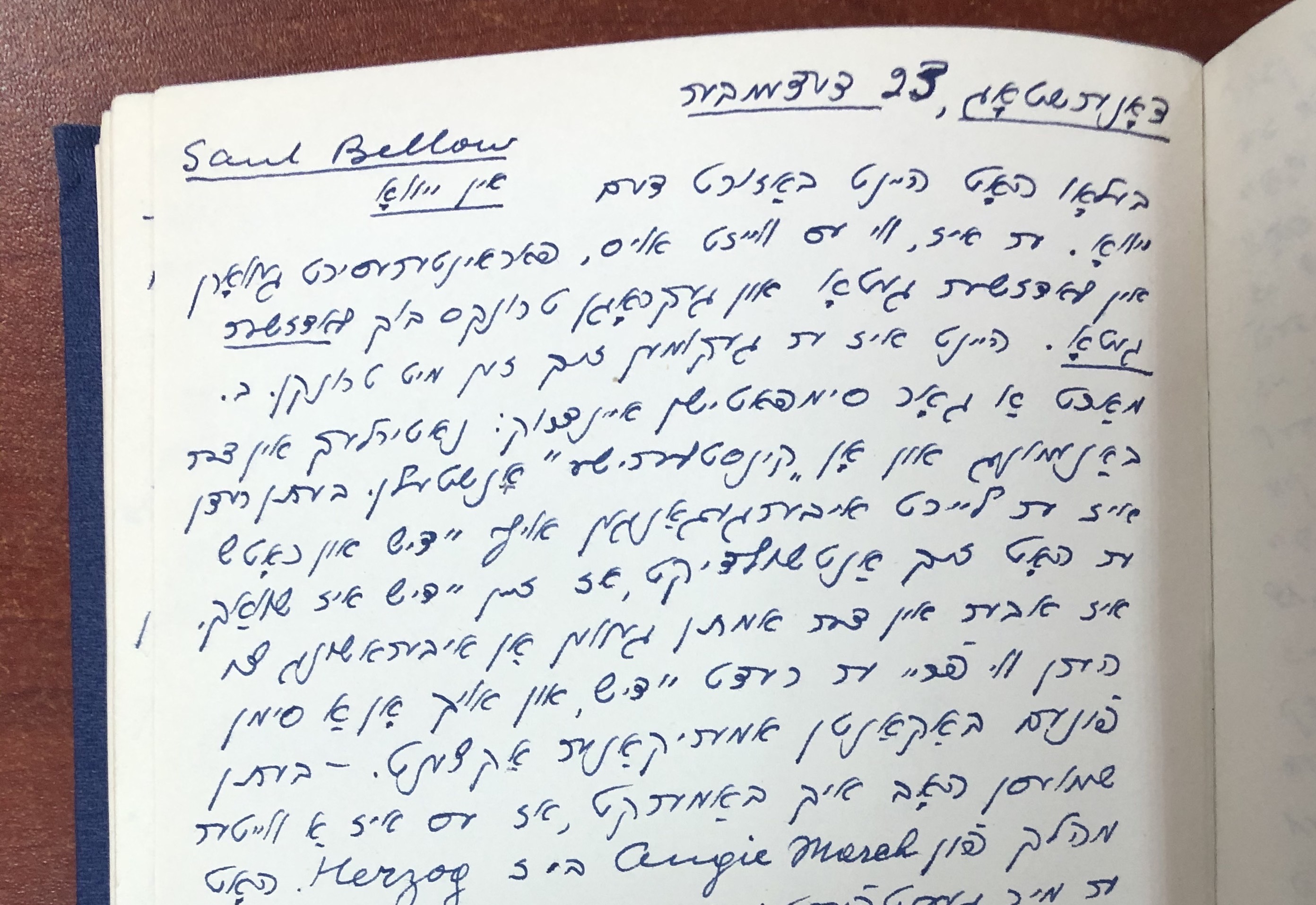
Though poet, dramatist, and journalist H. Leivick (1888–1962) was a major fixture of American Yiddish literature and one of its most recognizable and celebrated figures during his career, relatively little of his extensive body of work has made its way into translation. Leivick’s poetic corpus has been partially translated into English, with his dramatic poem Golem perhaps the most frequently translated of all his works and drawing the most scholarly and critical attention. 1 1 Notably, the translations of Joseph C. Landis in The Dybbuk and Other Great Yiddish Plays (Bantam, 1966), from which the standard acting edition is drawn, and Joachim Neugroschel in TheGolem (W. W. Norton, 2006). Landis also includes a long, translated selection from Leivick’s speech “Der yid—der yokhed” (The Jew—The Individual), delivered in 1957. Critical interpretations have considered The Golem through multiple lenses, including stagings of the dramatic poem (Carl Schaffer, “Leivick’s The Golem and the Golem Legend,” in Staging the Impossible: The Fantastic Mode in Modern Drama, ed. Patrick D. Murphy (Bloomsbury, 1992), 137–49); explorations of Leivick’s golem in relation to other fantastic or mythical creatures (Simchi Cohen, “A Living Man, a Clay Man: Violence, the Zombie, and the Messianic in H. Leivick’s The Golem,” Cultural Critique 90 (2015): 1–21); and the theme of nostalgia in the work (Laura Quercioli Mincer, “Nostalgia and Creaturality in H. Leivick’s Тhe Golem,” in Melancholic Identities, Toska and Reflective Nostalgia, ed. Sara Dickinson and Laura Salmon (Firenze University Press, 2015). Recently, The Golem has been employed as a tool to teach about artificial intelligence. A considerable collection of Leivick’s poetry in English translation is in Barbara and Benjamin Harshav’s American Yiddish Poetry, with individual poems more recently translated by A. Z. Foreman, Daniel Kraft, and Zackary Sholem Berger. 2 2 Harshav and Harshav’s 1986 text serves as something of a milestone, but Leivick’s poems and excerpts from his dramas are a staple of collections of Yiddish and Jewish-American writing, such as Howe and Greenberg’s Treasury of Yiddish Poetry (Holt, Rinehart and Winston, 1969), where his translators include Leonard Wolf and Cynthia Ozick; Foreman,Asymptote, July 2019; Kraft in his personal Substack newsletter; Berger, All the Holes Line Up (Ben Yehuda Press, 2019). A recent Leivick-heavy collection was published by Leon Gildin: The Poems of H. Leivick and Others: Yiddish Poetry in Translation (Finishing Line Press, 2015). Newer dramatic translations and interpretations include those by Ellen Perecman and Motl Didner. 3 3 Perecman’s version of Shmates (Rags, 1921) and Di khasene in Ferenvald (The Wedding in Foehrenwald, 1949) have been published under the titles of Welcome to America and Displaced Wedding, respectively, in Ten Yiddish Plays in Translation (iUniverse, 2020). Didner’s translations of Der nes in geto (The Miracle in the Ghetto, 1944) and Di khasenein Ferenvald, funded by the Yiddish Book Center, have not been published in full, but the former has been performed as a staged reading by the Folksbiene and an excerpt of the latter appeared the 2014 translation issue of Pakn Treger. Leivick’s prose, consisting of hundreds of articles and essays printed in publications such as Di tsukunft and Der tog over the course of almost five decades, remains largely unexplored in translation due, perhaps, to the relative inaccessibility of the original articles until recent digitization projects; the one exception of note is Rachel Ertel’s French translation of Oyf tsarisher katorge (In the Czarist Katorga, 1959, initially serialized in Der tog from 1956–1958). 4 4 H. Leivick, Dans les bagnes du Tsar, trans. Rachel Ertel (Éditions L’Antilope, 2019). Two small excerpts of this translation had previously appeared in H. Leivick: poète yiddish, ed. Mosheh Waldman (Éditions Gopa, 1967), 163–172.
H. Leivick, born Levi Halpern in 1888 in Ihumen, Russia (now Chervyen, Belarus), was the eldest of nine children in an impoverished religious family. Expelled from yeshivafor, by his own account, reading secular Hebrew novels, Leivick was introduced to the Bund as a teenager by a cousin. Arrested twice as a member of the then-illegal Socialist organization, he was beaten but released for being underage. Upon his second arrest in 1906, he was imprisoned and eventually sentenced to six years of forced labor—reduced to four because of his age—and permanent exile in Siberia. Once in Siberia, he was able to purchase a horse and sleigh with which he made his escape, arriving in America in 1913.
The article translated below was published in Der tog in October of 1954. In it, Leivick recalls a woman to whom he gives the pseudonym of “Kh. N.,” or Kheyn (Grace, as she will be referred to below). He recalls his days of Bundist activism and his attraction to Grace, his fellow revolutionary, in 1906; his reunion with her in 1925 in the Soviet Union; and his eventual discovery of her fate many years later, in 1950, long after his own break with Communism. 5 5 Leivick’s break with Communism came in several stages; the first of which, resulting in his departure from the Morgn frayhayt in 1929 after the Hebron Massacre, is detailed in Amelia M. Glaser’s Songs in Dark Times: Yiddish Poetry of Struggle from Scottsboro to Palestine (Harvard University Press, 2020). This highly publicized break with Communist doctrine potentially offers an explanation as to why the young man who accosts Leivick in Israel insinuates Grace’s association with Leivick was the cause of her exile shortly after his visit. Grace’s exile—believed by Leivick, in his later years, to be a result of her association with him—preoccupies him deeply.
Figures of a girl much like Grace appear throughout Leivick’s works. The very earliest published appearance of a Grace-like figure can be found in the description of a young man sitting outside a young woman’s window in a long poem dating from his time in prison: A neshome fun Gehenem (Job the Second, or A Soul from Hell, 1908). 6 6 H. Leivick, “A neshome fun Gehenem,” in Nit-gedrukte drames (Alveltlekher Yidisher Kultur-Kongres, 1973), 7–55. This particular image of a boy under the window appears again in the pages of Oyf tsarisher katorge, where Grace might be recognized in Leivick’s mention of a girl (here known pseudonymously as “D.”) leaving to study medicine in Switzerland. There, Leivick places himself as the boy under the window, describing himself as shy in his attraction, more of a yearning romantic who briefly hopes that she might turn out to be his doctor in prison; there, he describes his “young neighbor from the village [. . .] sixteen-year-old D. . . . with whom I had sat long nights outside the windows of her house, afraid to touch her.” 7 7 H. Leivick, Oyf tsarisher katorge (Y. L. Peretz, 1959), 170. Parts of this work are drawn from Leivick’s own diary at the time (in particular, the closing pages regarding his release in Siberia), and Leivick notes in the introduction that “Everything truly happened. Only the names of the people are different” (Leivick, Oyf tsarisher katorge, 8). Both in Oyf tsarisher katorge and in later articles for Der tog, Leivick repeats the theme of young revolutionaries who share a bed but refrain from touching one another, constructing an image of the romanticized Bundist revolutionary in contrast to the Stalinist Communist.
A potential allusion to Grace’s photo also appears in the drama Dort, vu di frayhayt (There, Where Freedom Dwells, c. 1912–13, revised in 1952), another early work, one of the few surviving works from his Siberian exile. 8 8 H. Leivick, Dort, vu di frayhayt, Yidisher kemfer, April 1952, 54–70. There “Levine,” an imprisoned and later exiled revolutionary and portrait painter—one of Leivick’s own occupations in Siberia—has a single picture of his wife. Like Grace, Levine’s wife has gone abroad to study while he is in prison. The photograph drives Levine to a destructive fit of anger; perhaps there are shades here of Leivick’s own anger and sorrow at Grace’s lack of contact. It seems not insignificant that Leivick revisits this particular, previously abandoned juvenile work in 1952, after receiving news of Grace’s ultimate fate. 9 9 Leivick writes in his 1952 introduction to the drama that he has “improved the language,” “shortened dialogues,” and “clarified the plot.” This 1952 edition includes a dialogue between Levine and Rokhl that resembles the story told in Oyf tsarisher katorge of a shy young man sitting with a woman outside her father’s house.
In Leivick’s written accounts of his trip to Soviet Russia in 1925 for the Morgn frayhayt, there appears another potential candidate for Grace: someone only given the initial of “M.” who is hosting a party attended by several political figures and doctors. 10 10 H. Leivick, “Oyfn rand fun onheyb,” Morgn frayhayt, April 11, 1926, 7. This host and their guest are pointedly noted as not attending the politically oriented clubs, just as Leivick observes here that Grace was never involved in politics in her later life.
This collection of Grace-like figures, concluding with the piece below in 1954, allows the reader to track Leivick’s construction of his very public image, something he pursued both in his fictional and his nonfictional writings, which centered his youthful experiences of prison, exile, and escape. Leivick’s poetry often explores his self-described dual (or even multiple) nature; 11 11 Shmuel Charney explores this at some length in his critical biography H. Leyvik: 1888–1948 (Toronto: H. Leyvik Yoyvl-Komitet, 1951) with reference to Leivick’s lyrical works. in this piece, Leivick—who will later keep Grace at arm’s length, depicting himself as a chaste revolutionary—portrays himself as self-assured, on the verge of acting upon his attraction. Despite this physical confidence, he is also highly reflective and vulnerable here as an artist, consciously subverting his enshrined public image. His initial impulse to cruelty is tempered by his affectionate naming of “Grace.” Leivick constructs and dismantles versions of his own image, both as young revolutionary and as elder intellectual, with a story that is the inverse of his own—Grace’s initial escape and eventual exile. His youthful self-assurance is swiftly, brutally, and ironically undercut at the climax, leaving the aged writer at a loss for words as he attempts to arrange his archives (and memories) for the future. Grace’s picture serves as a connective thread that pulls the author and reader through time and trauma, circling between the author’s senior and teenage years. 12 12 The circularity of time is a recurrent theme in Leivick’s work. The stork in this piece functions similarly to the photo, threading together Leivick’s perception of the past and present and reinforcing this circularity. This avian element features also prominently in another Leivick essay (“Ven bleter faln,” Der tog, October 20, 1952, 4), where he links the bird’s migratory cycle to the timing of his own arrest and escape from exile—a departure at Sukkos, and return at Pesach—and to his father’s annual reading of Ecclesiastes.
Unfortunately, no picture that matches all the details Leivick gives could be located upon inquiry to YIVO. Grace’s face, faded and full of hope for the future, remains left to the imagination a while longer.
Click here to download a PDF of the text and translation.
איבערטאַשנדיק מײַן אַרכיוו, וואָס איך האָב מיט אַ פּאָר וואָכן צוריק אַוועקגעגעבן דעם ייִדישן וויסנשאַפֿטלעכן אינסטיטוט, האָט פֿון צווישן אַ גרויסער צאָל פֿאָטאָגראַפֿיעס אַ בלענד געטאָן פֿאַר מײַנע אויגן אַ פֿאָטאָגראַפֿיע פֿון אַ מיידל, וואָס איז גענומען געוואָרן נאָך אין אַלטן צאַרישן רוסלאַנד, אין מײַן היימשטעטל איהומען. די פֿאָטאָגראַפֿיע האָט אויפֿגעוויקלט פֿאַר מיר בלעטלעך פֿון מײַן אייגן לעבן, און — נאָך מער: בלעטער פֿון אַ גאַנצער עפּאָכע, אָנהייבנדיק מיט צאַרישע סיביר־פֿאַרשיקונגען און ענדיקנדיק מיט סטאַליניסטישע סיביר־פֿאַרשיקונגען.
ס׳ווילט זיך מיר דערציילן עפּעס אין שײַכות מיט דעם מיידל פֿון דער פֿאָטאָגראַפֿיע.
עפּעס געוויינלעכס, וואָס אונטער דער האַנט פֿון דיקטאַטור־ווילדקייטן ווערט פֿון דעם עפּעס אומגעוויינלעכס, עפּעס פֿאַרפֿאַלן — טראַגישס.
די פֿאָטאָגראַפֿיע איז שוין אַלט אַרום פֿופֿציק יאָר.
דאָס מיידל האָט געהייסן — לאָמיר אין דעם מאָמענט מאַכן אַ ראָשי־תּיבֿות פֿון איר נאָמען, וועט זיך באַקומען: חן.
מיר זענען געווען נאָענטע חבֿרים אין אונדזער שטעטל. איך בין אַלט געווען אַ יאָר זעכצן. אויך חן איז געווען אין די זעלבע יאָרן. מיר זענען ביידע געווען יונגע מיטגלידער אין „בונד“. חנס עלטערן זענען געווען עפּל־פֿאַרקויפֿער אויפֿן מאַרק, מײַנע עלטערן — ברויט־פֿאַרקויפֿער. חנס חלום איז געווען צו פֿאָרן אין דער שווייץ שטודירן דאָקטער, מײַן חלום איז געווען צו ווערן אַ ייִדישער דיכטער.
אין חנס צימערל, אין דער אָרעמער שטוב פֿון אירע עלטערן, האָבן מיר אָפֿט, דורך לאַנגע נעכט, אין די יאָרן 1905 און 1906, געדרוקט אויף אַ העקטאָגראַף רעוואָלוציאָנערע פּראָקלאַמאַציעס. אויף ייִדיש און אויף רוסיש.
חנס אַמביציעס צו אַוועקפֿאָרן דווקא אין דער שווייץ און דווקא שטודירן אויף דאָקטער האָבן אין מײַן האַרץ ניט געפֿונען קיין גרויסן אָפּקלאַנג. אָבער איר געשטאַלט האָט יאָ געפֿונען אַן אָפּבילד אין מיר. אונדזערע ביידנס פּערזענלעכע באַציִונגען איינע צו די אַנדערע איז אונדז ביידן ניט געווען קלאָר. ס׳איז אָבער אונדז יאָ געווען קלאָר, אַז עפּעס פֿלאַטערט צווישן אונדז.
דער לעצטער טאָג סוכּות, 1906, איז געווען פֿאַר מיר אַ גורלדיקער טאָג. אין יענעם טאָג האָב איך מיט אַ באַזונדערן טרויער נאָכגעקוקט ווי דער בושל, וואָס האָט געהאַט זײַן גרויסן נעסט אויפֿן דעמבנבוים אַקוראַט אַנטקעגן אונדזער שטיבל עק איהומען, שפּרייט פֿונאַנדער זײַנע גרויסע פֿליגלען, ציט אויס זײַנע לאַנגע פֿיס און לאָזט זיך אַוועק אין דער ווײַטער וועלט — צו אַ לאַנד פֿון זומער. דאָ, אינעם שטעטל, וווּ ער האָט זײַן נעסט, קומט אָן דער ווינטער.
אַז דער ווינטער קומט, איז קלאָר געווען אויך פֿאַר מיר, ווײַל דער טאָג איז געווען שוין גאָר אַ קאַלטער, אַ דורכגענומענער מיט שנײַדיקייט און עלנט.
דעם בושל האָב איך ליב געהאַט. איך האָב אים גוט געקענט, כאָטש איך ווייס ניט צי ער האָט מיך געקענט. איך פֿלעג אים זען שעהען לאַנג ווי ער שפּאַנט אַרום מיט זײַנע לאַנגע פֿיס איבער דער גרויסער לאָנקע, ניט ווײַט פֿון אונדזער שטיבל, און זוכט זײַן שפּײַז. איך האָב ליב געהאַט צו נאָכקוקן ווי מיט אַ מאָל גיט ער זיך אַ שטעל אַוועק אויף איין פֿוס און שטייט אומבאַוועגלעך אַזוי אַ היפּשע צײַט. כ׳האָב ייִנגלווײַז ליב געהאַט צו טאָן ווי ער: שטיין אַ לאַנגע צײַט אויף איין פֿוס, שטיין ניט ווײַט פֿון אים, און פֿאַרמעסטן זיך מיט אים ווער עס וועט לענגער אויסהאַלטן. כ׳האָב אָבער קיין מאָן מײַן פֿאַרמעסט ניט געוווּנען.
נו, איז דער בושל, סוף סוכּות, 1906, אַוועקגעפֿלויגן, און אָנגעפֿילט מײַן האַרץ מיט אַ באַזונדערן טיפֿן טרויער, מיט שווערע פֿאָרגעפֿילן.
אין אָוונט פֿון יענעם טאָג האָבן מיר געהאַט אַן אומלעגאַלע פֿאַרזאַמלונג. אויך חן איז געווען אויף דער פֿאַרזאַמלונג. נאָך דער פֿאַרזאַמלונג האָבן מיר, אַ קליינע איבערגעבליבענע גרופּע, געפּראַוועט אַ שטיקל „ליאַמע“, ווי עס האָט דעמאָלט געהייסן, לכּבֿוד חנס אַוועקפֿאָרן אין אויסלאַנד. איך האָב פֿאָרגעלייענט אַ פּאָר פֿון מײַנע ערשט־אָנהייבערישע לידער. נאָך דער „ליאַמע“ האָב איך באַגלייט חנען אַהיים, צו איר שטיבל אין שול־גאַס. ס׳איז שוין געווען אַרום האַלבער נאַכט. מיר זענען געגאַנגען און — געשוויגן. דערנאָך בין איך געגאַנגען אַליין צו זיך אַהיים דורכן מאַרק און דורך די שטיל אײַנגעוויגטע געסלעך. די נאַכט איז געווען אַ קאַלטע, אָבער אַ לויטערע. איך בין געגאַנגען און ניט אויפֿגעהערט צו זען פֿאַר זיך דאָס בילד ווי דער בושל נעמט פֿונאַנדער זײַנע פֿליגלען און פֿאַרלאָזט אונדזער דעמבנבוים. איך האָב געטראַכט: וווּ קאָן ער שוין זײַן איצט, דער בושל? ווי ווײַט איז ער שוין אָפּגעפֿלויגן אויף זײַן פֿלי צום ווײַטן, וואַרעמען לאַנד?
איך בין אַרײַן אויף די שפּיץ פֿינגער אין שטיבל פֿון טאַטע־מאַמע, זיך אַוועקגעלייגט שלאָפֿן, און — אין אַ שעה אַרום איז געקומען די פּאָליציי מיט אַ מחנה סטראַזשניקעס און מיך אַרעסטירט.
אין טורמע זײַענדיק האָט מען מיר איבערגעגעבן, אַז חן איז אַוועקגעפֿאָרן אין דער שווייץ צו שטודירן אויף דאָקטער.
זיבן יאָר האָט מיר גענומען, זינט יענער סוף־סוכּות־נאַכט, דורכצומאַכן צאַרישע קאַטאָרגע, סיביר, אַנטלויפֿן פֿון סיביר און אָנקומען קיין אַמעריקע. אין משך פֿון די זיבן יאָר האָב איך נאָר איין מאָל באַקומען אַ קורץ בריוול פֿון חנען, און אין בריוול איז געווען אַרײַנגעלייגט איר פֿאָטאָגראַפֿיע. מער האָב איך ניט געהערט, ניט געוווּסט וווּ זי געפֿינט זיך. אויך איך האָב איר אין משך פֿון די יאָרן ניט געשריבן. אויך קומענדיק קיין אַמעריקע האָט זיך צווישן אונדז ניט פֿאַרבונדן קיין קאָרעספּאָנדענץ. מיט יאָרן שפּעטער האָב איך געהערט, אַז חן איז אין מינסק, איז אַ סאָוועטישער דאָקטער. האָט חתונה געהאַט פֿאַר אַ דאָקטער, האָט שוין צוויי קינדער און פֿירט אַ דאָקטעריש לעבן.
חנס פֿאָטאָגראַפֿיע האָב איך אַרײַנגעלייגט אין אַן אַרכיווישן בילדער־אַלבאָם.
אין 1925 בין איך געפֿאָרן קיין אייראָפּע, דערנאָך קיין פּוילן און פֿון דאָרט — אויף באַזוך קיין סאָוועט־רוסלאַנד. צום אַלעם ערשטן, פֿאַרשטייט זיך, באַזוכן מינסק און מײַן געבורטשטעטל איהומען. אויפֿן מינסקער וואָקזאַל האָט מיך באַגעגנט אַ היפּשער עולם; צווישן עולם אַ גרופּע יונגע ייִדישע שרײַבער, פּאָעטן און פֿאָרשטייער פֿון דער דעמאָלטיקער סאָוועטיש־ייִדישער קולטורוועלט. געווען אין דער גרופּע כאַריק, אַקסעלראָד, בראָנשטיין, אָשעראָוויטש פֿון מינסקער „אָקטיאַבר“, יאַנקל לעווין און, דוכט מיר, אויך אויסלענדער און זײַן פֿרוי כענקינאַ. צווישן עולם איז געווען (ווי איך האָב געאַנט אין מײַן אונטערבאַוווּסטזײַן) אויך חן.
אונדזער באַגעגעניש איז געווען אַ ביז גאָר דראַמאַטישע.
כ'האָב פֿאַרבראַכט אין מינסק איבער אַ וואָך, דערנאָך געפֿאָרן אויף אַ צוויי וואָכן אין מײַן געבורטשטעטל, — דערנאָך קיין מאָסקווע און אַנדערע שטעט. פֿאַר דער צײַט וואָס איך בין געווען אין מינסק, הגם איך בין געווען שטאַרק פֿאַרנומען, האָב איך זיך געהאַלטן נאָענט צו חנס הויז. בין אַ פּאָר מאָל געווען בײַ איר אין שטוב אויף אָוונטברויט, און איין אָוונט האָט חן אײַנגעאָרדנט אין שטוב בײַ זיך אַ „וועטשערינקע“ לכּבֿוד מיר. עס זענען געווען אויפֿן אָוונט אַלע מינסקער דעמאָלטיקע פּני: — די פֿריִער דערמאָנטע דיכטער, שרײַבער און פּאָליטישע פֿירער. מען האָט פֿאַרבראַכט אין גוטן געמיט ביז שפּעט אין דער נאַכט.
צו זײַן מיט חנען אויג אויף אויג איז מיר ניט אויסגעקומען, און, דעם אמת געזאָגט, — כ׳האָב עס בכּוונה אויסגעמיטן. אין אַ פּאָר טעג אַרום אָבער האָב איך זיך דערפֿילט ניט געזונט מיט אַ פֿאַרקילונג און געמוזט בלײַבן אין האָטעל אויף אַ טאָג צוויי. חן איז געקומען מיך מבֿקר־חולה זײַן. לכתּחילה האָט זיך אונדזער שמועס עפּעס ניט געקלעפּט, ביז מיר זענען אַרײַן אין גרויסן וואַלד פֿון זכרונות. מיט אַ מאָל איז חן אַרײַנגעפֿאַלן אין, כּמעט, אַ היסטעריש געוויין. עס האָט מיך אַליין צעטרייסלט. איך האָב זי מיט גרויס שוועריקייט אײַנגעשטילט, באַרויִקט. אויך זיך אַליין איז מיר ניט אָנגעקומען לײַכט צו באַרויִקן. איך האָב זי ניט געפֿרעגט די סיבה פֿון איר געוויין. ס׳איז ניט נייטיק געווען. און ס׳איז, אין דער אמתן, ניט געווען וואָס צו פֿרעגן. ס׳איז מיר דורכגעלאָפֿן אַ שלעכטער געדאַנק צו זאָגן איר: חן, בײַ מיר אין דער היים אין אַמעריקע, ליגט דײַן פֿאָטאָגראַפֿיע, ווי אַן עדות אַז פֿאַר די גאַנצע יאָרן אין קאַטאָרגע, סיביר און אַמעריקע, כּמעט צוואַנציק יאָר, האָסטו זיך נאָר איין מאָל געלאָזט הערן צו מיר, דעריבער — וויין ניט. — — — יאָ, ס׳איז געווען אַ שלעכטער געדאַנק, און איך בין צופֿרידן וואָס איך האָב אים ניט אַרויסגעזאָגט.
איך בין אַוועקגעפֿאָרן צוריק אַהיים, קיין אַמעריקע. עס זענען געגאַנגען יאָרן. עס האָבן זיך אָנגעהויבן די בלוטיקע טעראָר־יאָרן אין סאָוועט־רוסלאַנד, די משפּטים, די פֿאַרשיקונגען, די הינריכטונגען. עס איז געקומען דער היטלעריזם. עס איז געקומען די צווייטע וועלט־מלחמה. מײַן געבורטשטעטל, איהומען, מײַן מינסק און מײַנע צוויי ברידער און אַ שוועסטער מיט זייערע גרויסע משפּחות, אין צאָל פֿון אַ פֿופֿצן מענטשן, און די משפּחות פֿון אַלע מײַנע אייגענע און פֿרײַנד אין איהומען און אין מינסק זענען אומגעקומען דורך די נאַציס. די משפּחה פֿון חן, האָב איך געהערט, איז אויך אומגעקומען דורך די נאַציס. וויפֿל איך האָב זיך ניט באַמיט, נאָכן סוף פֿון דער צווייטער מלחמה, צו דערגיין עפּעס פּרטים, וואָס עס האָט זיך אָפּגעטאָן אין מײַן געבורטשטעטל און אין מינסק אונטער היטלערן, איז מיר ניט געלונגען. איין קינד, אַ מיידל, פֿון אַ ברודער מײַנעם איז געבליבן לעבן. כ׳האָב באַקומען פֿון איר אַ קורץ רוסיש בריוול גלײַך נאָך דער מלחמה. איך האָב איר געענטפֿערט, געשיקט אַ פּאָר פּעקלעך, געבעטן זי זאָל מיר שרײַבן אויספֿירלעכער, אָבער — איך האָב פֿון איר מער קיין איין וואָרט ניט דערהאַלטן ביז הײַנט. אָפּגעשניטן, אָפּגעהאַקט אַזוי ווי מיט אַ האַק.
און אָט קומט דער קלימאַקס, צוליב וועלכן איך דערצייל הײַנט די דאָזיקע מעשׂה אין שײַכות מיט חנס בילדל, וואָס האָט אַ בלענד געטאָן פֿאַר מײַנע אויגן בײַם איבערקוקן מײַנע אַרכיווזאַכן, איידער כ׳האָב זיי אַוועקגעגעבן צום ייִוו״אָ.
אין 1950, מיט פֿיר יאָר צוריק, בין איך געווען אויף אַ באַזוך אין מדינת־ישׂראל. זיץ איך אַזוי איין מאָל אין רעסטאָראַן פֿונעם האָטעל, וווּ איך בין אײַנגעשטאַנען, און שמועס מיט פֿרײַנד, וואָס זענען געקומען מיך זען. קומט צו צו מיר אַ מאַן, אַן אומבאַקאַנטער, שטעלט זיך פֿאַר מיר פֿאָר און זאָגט אַז ער האָט מיר צו דערציילן עפּעס זייער וויכטיקס, עפּעס וואָס ער וויל נאָר מיר אַליין פֿאַרטרויען, ווײַל עס האָט אַ שײַכות נאָר מיט מיר אַליין.
מײַנע געסט גייען אַוועק, און דער מאַן זאָגט צו מיר:
— איר קענט מיך ניט, אָבער איך קען אײַך יאָ. איך בין פֿון מינסק. איך בין געווען דאָרט אין די פֿערציקער יאָרן. איך קאָן אײַך אָפּגעבן אַ גרוס פֿון אײַער פֿרײַנדינע חן.
— איר ווייסט וווּ זי איז? — האָב איך אָנגעשטעלט מויל און אויערן.
— וווּ זי איז איצט, ווייס איך ניט. וואָרשײַנלעך אומגעקומען מיט אַלע ייִדן אין די היטלער־שחיטות. מײַן גרוס אָבער וועגן איר קאָן איך אײַך אָפּגעבן פֿון די גרויזאַמע סאָוועטישע טעראָר־יאָרן, נאָך פֿאַר היטלערן. זי איז געווען אַ קרבן צוליב אײַך.
— צוליב מיר? — איז מיר אַדורך אַ קעלט.
— יאָ, צוליב אײַך. פֿאַרשטייט זיך, אַז איר זענט ניט שולדיק. אויך זי איז ניט געווען שולדיק. אָבער איר זענט געווען די סיבה. איר געדענקט אין 1925, ווען איר זענט געווען אין מינסק, האָט זי אין איר הויז געמאַכט אַ „וועטשערינקע“ לכּבֿוד אײַך. דערפֿאַר האָט מען זי אין יאָרן אַרום, איין מאָל אין אַ נאַכט, אַוועקגענומען פֿון שטוב, פֿון מאַן און קינדער, און זי פֿאַרשיקט.
כ׳האָב קוים געקאָנט צונויפֿנעמען מײַן געדאַנק. כ׳בין געווען דערשיטערט.
— אָבער אויף יענעם אָוונט זענען דאָך געווען אַלע דעמאָלטיקע אָפֿיציעלע מינסקער סאָוועטישע טוער און שרײַבער, איזי כאַריק, אַקסעלראָד, בראָנשטיין און — — —
— נו, איז וווּ זענען זיי הײַנט אַלע? — האָט געזאָגט מײַן אינפֿאָרמירער, און איך האָב דערפֿילט די נאַרישקייט פֿון מײַן אַרגומענט.
— יאָ, ריכטיק, — האָב איך קוים אַרויסגערעדט, — וווּ זענען זיי טאַקע אַלע הײַנט? — אָבער חן, — האָב איך זיך ניט געקאָנט באַרויִקן און ניט געקאָנט שלום מאַכן מיט דער געשיכטע, — אָבער חן, אויף וויפֿל איך ווייס, איז דאָך די גאַנצע צײַט געווען מחוץ פֿון דער פּאָליטיק אין גאַנצן. זי איז דאָך געווען נאָר דאָקטער, נאָר דאָקטער.
מײַן אינפֿאָרמירער האָט געשוויגן. און וואָס, אין אמתן, האָט ער געקאָנט מיר נאָך עפּעס מער זאָגן? צי האָט ער דען ניט געפֿילט אַז אַלץ וואָס איך פֿרעג — פֿרעג איך נאָר פֿון צעמישעניש?
— איז זי לאַנג געווען אין פֿאַרשיקונג, — האָב איך לסוף געפֿרעגט.
— היפּשע עטלעכע יאָר.
* * *
דאָס איז אין קורצן די מעשׂה. זי איז אויפֿגעגאַנגען שאַרף אין מיר בשעת, איבערקוקנדיק מײַנע אַרכיוו־מאַטעריאַלן, האָט אַ בלענד געטאָן פֿאַר מײַנע אויגן דאָס אַלטע שוין האַלב־אָפּגעריבענע בילדל פֿון חנען. דאָס בילד איז שוין אַלט אַרום פֿופֿציק יאָר. חנס פּנים אויפֿן בילדל איז נאָך יונג און פֿריש. אַ בילדל נאָך אין איהומען גענומען אין די יאָרן 1905–1906. אַ בילדל פֿון אַ מיידל, וואָס וויל פֿאָרן קיין שווייץ שטודירן מעדיצין. אַ מיידל וועמען איך באַגלייט אין דער לעצטער נאַכט פֿון סוכּות 1906 צו איר טאַטנס שטיבל אין איהומען, און דערנאָך לאָז איך זיך גיין אַליין, דורך דער ווײַסער נאַכט, צו זיך אַהיים עק שטעטל, און עס נאָגט אין מײַן האַרצן דער טרויער וואָס דער בושל איז אַוועקגעפֿלויגן פֿון אונדזער דעמבנבוים, און איך ווייס ניט צי וועל איך אים נאָך ווען עס איז זען.
As I was rearranging my archive (which I gave to YIVO a couple of weeks ago), from amongst a great number of photographs a picture of a girl, taken back in tsarist Russia, in my hometown of Ihumen, flashed before my eyes. The photograph unfurled for me the pages of my own life and still more: the pages of a whole era, beginning with tsarist Siberian exile and ending with Stalinist Siberian exile. I would like to relate something about the girl in the photograph—something ordinary which, in the hands of dictatorial savagery, became extraordinary, and hopelessly tragic.
The photograph is now around fifty years old.
The girl was called—let us, for the present, make an acronym of her name: Kh. N., or Kheyn—Grace.
We were close comrades in our shtetl. I was sixteen years old. Grace was the same age. We were both young Bund members. Grace’s parents were apple sellers in the market, my parents—bread sellers. Grace’s dream was to be in Switzerland, studying to be a doctor; my dream was to become a Yiddish poet.
In Grace’s small room, in her parents’ modest house, we often spent the long nights of 1905 and 1906 printing revolutionary proclamations on a hectograph, in Yiddish and in Russian.
Grace’s ambition to leave for Switzerland, of all places, and study to be a doctor, of all things, didn’t particularly resonate with me. But her figure did. Our intentions toward one another were unclear. But it was clear to the both of us that something fluttered between us.
The last day of Sukkos 1906 was a fateful day for me. On that day, I watched with particular sadness as the stork, which had its large nest in the oak tree just opposite our house at the edge of Ihumen, spread its great wings, stretched out its long legs, and left for the wider world—to a land of summer. Here in the shtetl, where the stork had its nest, winter was coming.
It was also clear to me that winter was coming, because the day was already quite cold, filled with a sharpness and melancholy.
I loved the stork. I knew it well, although I don’t know if it knew me. I used to watch it for hours as it strode around with its long legs across the large meadow not far from our house and looked for food. I loved seeing it suddenly shift to one leg and remain that way, unmoving, for a long time. As a boy, I liked to mimic it—to stand a long while on one leg, not far from the stork itself, and compete with it as to who would hold out longer. But I never won the contest.
Well, the stork flew away at the end of Sukkos 1906, and my heart was filled with a special sorrow, with a heavy foreboding.
That evening, we had an illegal meeting. Grace was also at the meeting. After the meeting we, the small group that stayed behind, celebrated a lyame, as it was called then, in honor of Grace leaving the country. I read a couple of my first, amateurish poems. After the lyame, I escorted her home, to her house on Shul Street. It was already about midnight. We walked in silence. Then I went home alone through the marketplace, through the quiet, lulled streets. The night was cold but bright. I walked and constantly saw before me the image of the stork spreading its wings and leaving our oak tree. I thought: Where can it be now, the stork? How far has it already flown in its voyage to a warm, distant land?
I entered my parents’ house on tiptoe and lay down to sleep. In about an hour’s time, the police came with a band of guards and arrested me.
While in prison, someone told me that Grace had gone to Switzerland to study to be a doctor.
It took seven years from that final night of Sukkos—enduring forced labor, Siberia, escaping from Siberia—to arrive in America. In the span of those seven years, I only received a single short letter from Grace, and in that letter was her photograph. I didn’t hear any more from her and, not knowing where she was, I didn’t write to her during those years either. Nor was there any correspondence with her after arriving in America. Years later, I heard that she was in Minsk—a Soviet doctor. She’d married a doctor and now had two children and lived a doctor’s life.
I put Grace’s picture into an archival photo album.
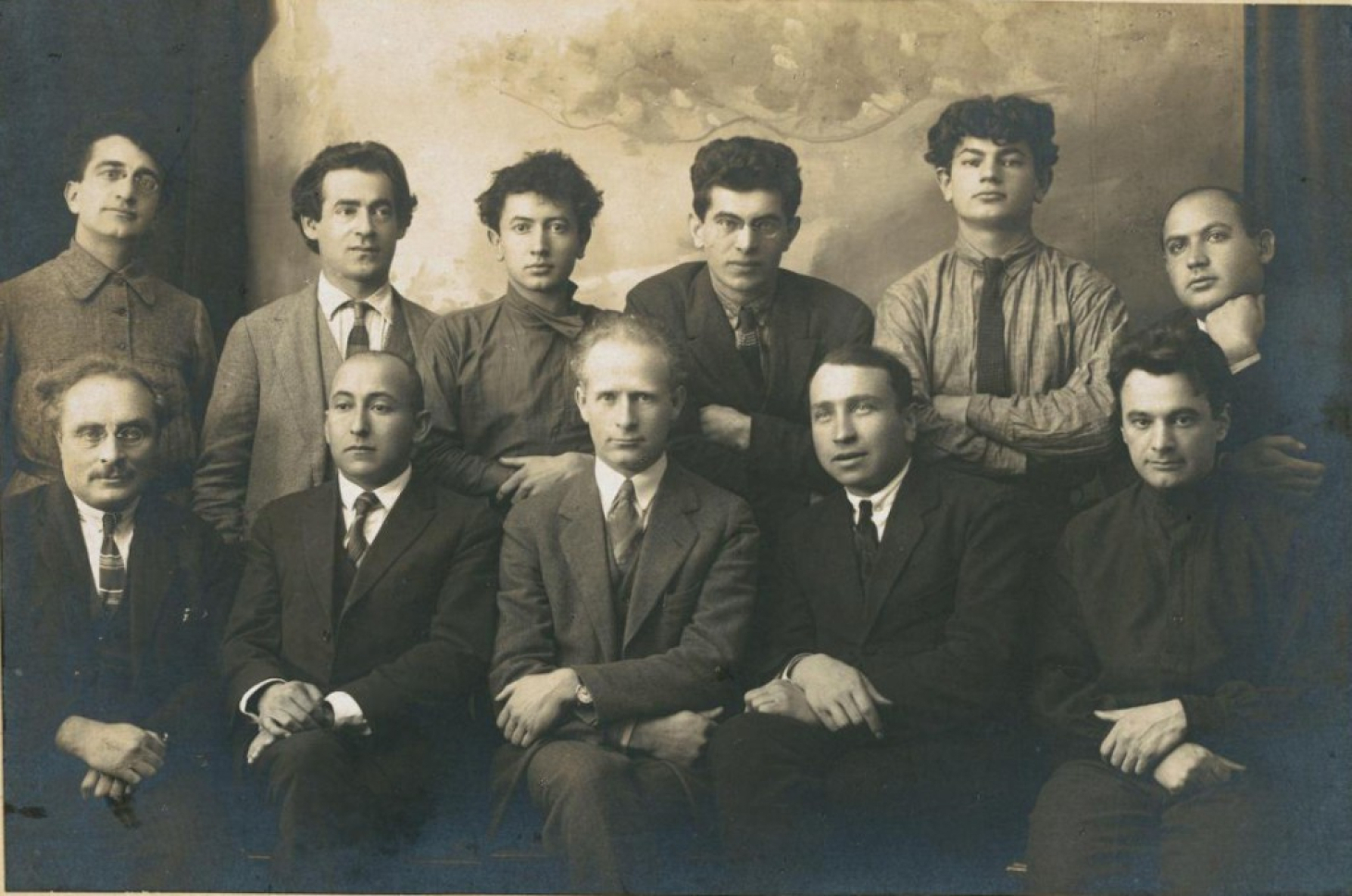
In 1925, I traveled to Europe, then to Poland. From there I made a visit to Soviet Russia, first and foremost, naturally, to visit Minsk and my birthplace, Ihumen. At Minsk Station, I was welcomed by a large crowd—among them, a group of young Yiddish writers, poets, and representatives of the then-Soviet-Jewish cultural world. In the group were Kharik, Akselrod, Bronshteyn, Osherovitsh from the Minsk Oktyabr, Yankl Levin, and, it seems to me, Oyslender and his wife, Khenkina.13 And also—as I had predicted in my subconscious—Grace.
Our meeting was a very dramatic one.
I spent more than a week in Minsk, then traveled for two weeks to my birthplace and then to Moscow and other cities. While I was in Minsk, although I was very busy, I stayed near Grace’s house. I went to her house a couple times for supper, and one evening, Grace arranged a soiree at her home in my honor. All the Minsk elite were there: the poets, writers, and political leaders mentioned earlier. We passed the time in good spirits until late into the night.
I hadn’t come face to face with Grace, and truth be told—I had intended to avoid it. A few days later, though, I was unwell with a cold and needed to remain in the hotel a day or two. Grace came to visit me while I was sick. Our conversation stumbled at first, until we entered the great forest of memory. Suddenly, Grace collapsed in almost hysterical weeping. It unnerved me. I soothed her with great difficulty. It wasn’t easy to calm myself, either. I didn’t ask why she cried. It wasn’t necessary. And there was, in truth, nothing to ask. A terrible thought occurred to me, to say: Grace, your photograph lies in my home in America like a witness that for all the years in prison, Siberia, and America, almost twenty years, I’ve only heard from you once, so—don’t cry. . . . Yes, it was a wicked thought, and I am glad not to have said it aloud.
I went back home to America. Years passed. The bloody years of terror in the Soviet Union began. The trials, the exiles, the executions. There came Hitlerism. There came the Second World War. My birthplace, Ihumen; my Minsk; my two brothers and a sister with their large families, numbering about fifteen people; and the families of all my relations and friends in Ihumen and Minsk were killed by the Nazis. Grace’s family, I heard, was also killed by the Nazis. As much as I tried after the end of the Second World War to obtain details of what had happened in my birthplace and in Minsk under Hitler, I did not succeed. One child, the daughter of one of my brothers, survived. I received a short letter in Russian from her immediately after the war. I answered her, sent a couple of packages, and asked her to write to me in detail, but I haven’t received another word from her to this day. Cut off, severed, as if by an axe.
And here there comes the climax, the reason why I tell the story connected to Grace’s picture, which flashed before my eyes while looking through my archive before giving it away to YIVO.
In 1950, four years ago, I was on a visit to the State of Israel. I was sitting in the restaurant of the hotel where I was staying and chatting with friends who had come to see me. A man approached me, a stranger, and said that he had something very important to tell me, something that he wished to confide only to me, because it related to me alone.
My guests left and the man said to me, “You don’t know me, but I know you. I’m from Minsk. I was there in the forties. I can give you regards from your friend, Grace.”
“You know where she is?” My ears pricked up.
“I don’t know where she is now. Probably killed with all the Jews in the Hitler massacres. I can give you her regards, though, from back in the gruesome Soviet years of terror, before Hitler. She was a victim because of you.”
“Because of me?” I felt a chill.
“Yes, because of you. Of course you aren’t to blame. She wasn’t to blame either. But you were the reason. Do you recall in 1925, when you were in Minsk, how she gave a soiree in your honor? Because of that, years later, she was taken from her home one night, away from her husband and children, and exiled.”
I was barely able to gather my thoughts. I was stunned.
“But all the official Soviet activists and writers in Minsk were at that evening, Izi Kharik, Akselrod, Bronshteyn, and—”
“And where are they all today?” asked my informant, and I sensed the foolishness of my argument.
“Yes. Right.” I scarcely spoke aloud. “Where are they all today? But Grace—” I couldn’t calm myself, couldn’t make peace with the story “But Grace, as far as I know, was entirely outside of politics the whole time. She was just a doctor. Only a doctor.”
My informant remained silent. And what more, in truth, could he say to me? Couldn’t he tell then that everything I asked, I asked out of confusion?
“Was she exiled a long time?” I finally asked.
“Several years.”
* * *
This is the story in brief. It struck me suddenly when, looking over my archive, the old, half-faded picture of Grace flashed before my eyes. The picture is now roughly fifty years old. Grace’s face is still young and fresh in the picture. A picture taken back in Ihumen, around 1905–1906. A picture of a girl who wants to go to Switzerland to study medicine. A girl I escort to her father’s house in Ihumen on the last night of Sukkos 1906 before walking alone, through the bright night, to my home at the edge of town, and sorrow gnaws at my heart that the stork has flown away from our oak tree and I don’t know if I’ll ever see it again.