Feb 16, 2026

איך האָב ערשט געהערט פֿון דעם פּאָדקאַסט „פּראָסטע ייִדיש“ דורך פֿײסבוק, װען אסתּר סינגער האָט געשריבן אַ „פּאָסט“ אין דער גרופּע „ייִדיש־לערערײַ“. פֿון סאַמע אָנהײב אָן האָב איך גוט געקענט פֿאַרשטײן פֿאַר װאָס אַזאַ פּאָדקאַסט קען קומען צו נוץ פֿאַר נײַע ייִדיש־סטודענטן. אַזאַ פּאָדקאַסט װאָלט געװען רעקאָרדירט אין אַ נײַעם, פּאָפּולערן פֿאָרמאַט װאָס איז צוטריטלעך פֿאַר סטודענטן, װוּ זײ קענען גיך און גרינג הערן אַ װאָרט ייִדיש אױף זײער ניװאָ. איך האָב זיך אָבער ניט פֿאָרגעשטעלט, װי שעפֿעריש און אינטערעסאַנט אַזאַ פּאָדקאַסט װאָלט געקענט זײַן, אַפֿילו װען מע רעדט פּאַמעלעך און מיט אַ באַגרענעצטער לעקסיק און גראַמאַטיק. דער פּאָדקאַסט איז שױן אַרײַן אין דעם זעקסטן סעזאָן. ער האָט כּלערלײ געסט און טעמעס. איך האָב נאָרװאָס אָנגעהױבן ערנסט צו נוצן דעם פּאָדקאַסט מיט מײַנע אײגענע סטודענטן און געזען װי העלפֿיק ער קען זײַן אין דער אַנטװיקלונג פֿון זײערע טעטיקײטן פֿון הערן און פֿאַרשטײן גערעדטע שפּראַך. דערפֿאַר האָב איך געװאָלט רעדן מיט אסתּרן װעגן זײער אַרבעט.
מיר האָבן צו ערשט גערעדט אױף זום און שפּעטער געשיקט בליצבריװ. דער שמועס איז רעדאַגירט און אַ ביסל געקירצט געוואָרן.
מע קען צוקומען צו דעם פּאָדקאַסט דורך אַלע פּאָדקאַסט אַפּס אָדער יוטוב. אױף דעם לינקל געפֿינט מען אױך די טראַנסקריפּטן פֿון די עפּיזאָדן.
I first learned of the Proste Yiddish - Simple Yiddish podcast via Facebook, when Esther Singer wrote a post in the “Yidish lereray” Facebook group. From the very beginning I well understood why such a podcast would be useful for new Yiddish students. The podcast would be recorded in a new, popular format that is accessible to students, and where they could quickly and easily hear Yiddish spoken at their level. I didn’t anticipate, however, how creative and interesting such a podcast could be, even while speaking slowly and with limited vocabulary and grammar. The podcast is now in its sixth season. It has all sorts of guests and topics. I myself have only just recently begun to seriously use the podcast with my own students and I have seen how helpful it can be in the development of their listening and comprehension of spoken Yiddish. That’s why I was eager to speak to Esther about their work.
We initially spoke on Zoom and later through email. This conversation has been edited for length and clarity.
You can access the podcast through all podcast apps and on Youtube. At this link, you can find transcripts of all the episodes.
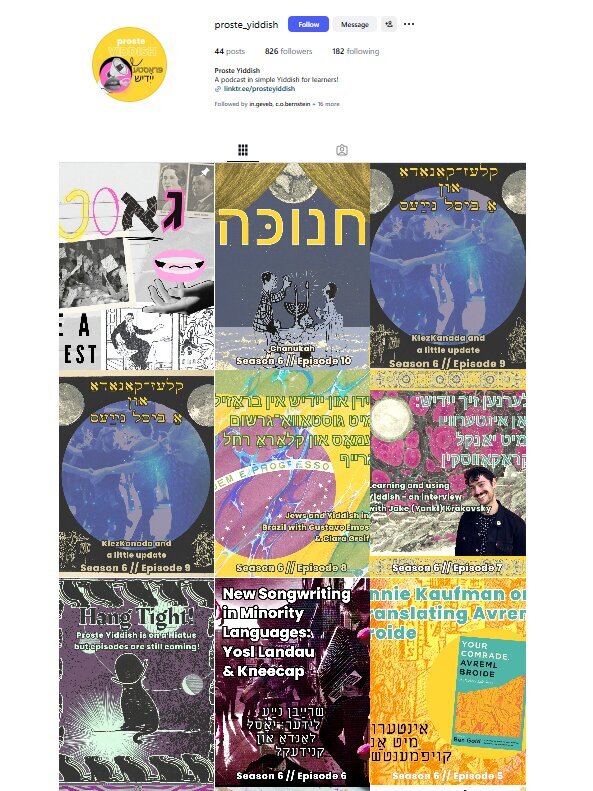
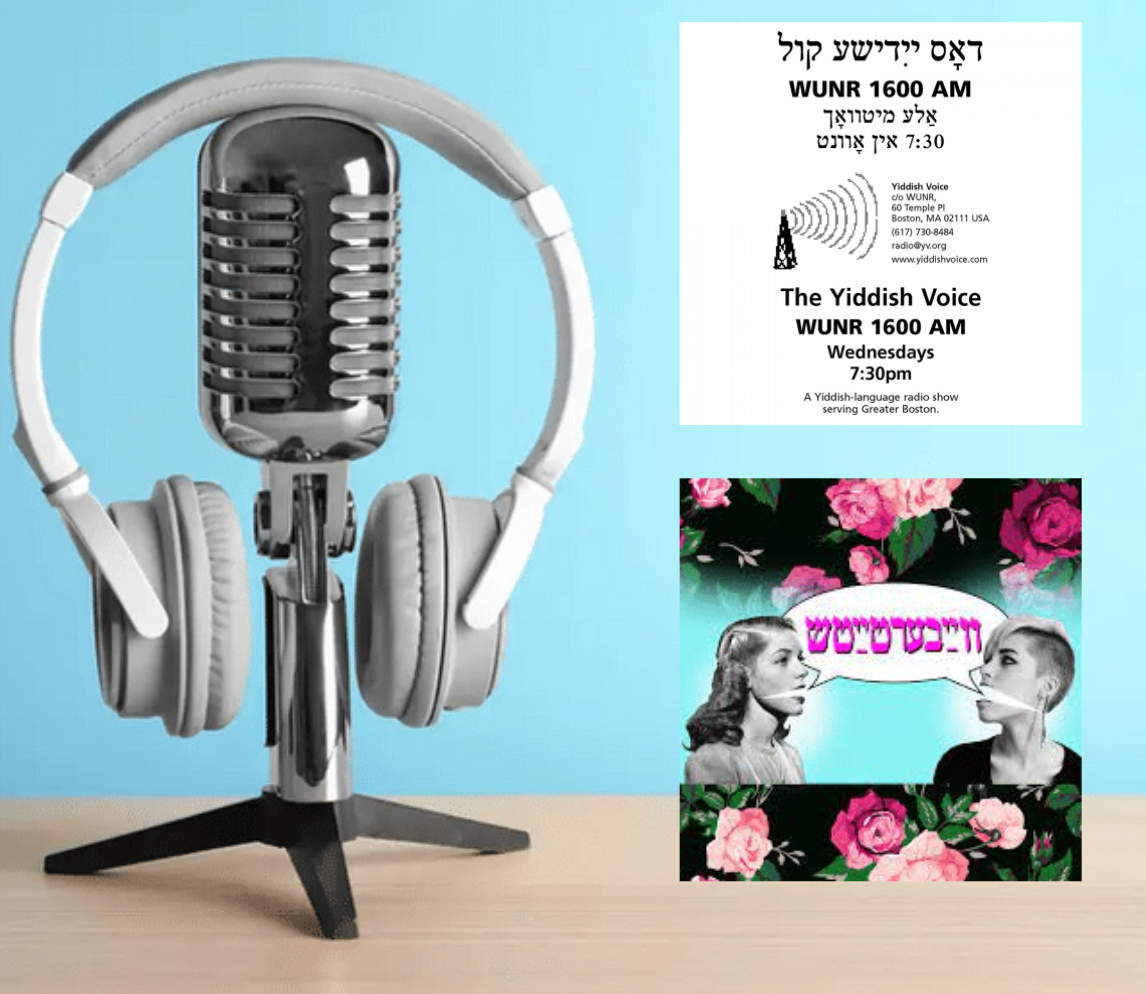
still of the Proste Yiddish Instagram feed
ערשטנס, װאָלטסטו געקענט באַשרײַבן װאָס עס איז דער „פּראָסטע ייִדיש“ פּאָדקאַסט? װאָס קען מען הערן/זען דאָרטן?
יאָ, פּראָסט און פּשוט איז די פּראָגראַם אַ פּאָדקאַסט װאָס איך האָב געשאַפֿן איבער הױפּט פֿאַר ייִדיש־לערנערס. איך שטרעב אַז עס זאָל זײַן גרינג פֿאַר די װאָס האַלטן בײַ די ערשטע פּאָר יאָר פֿון לערנען זיך ייִדיש זי צו פֿאַרשטײן. די פּראָגראַם איז אַן אױדיאָ־פּאָדקאַסט און יעדער עפּיזאָד קומט מיט אַ טראַנסקריפּט און רשימה װאָקאַבולאַר. עס זײַנען אױך דאָ װידעאָס װאָס אַ װוּנדערלעכער װאָלונטיר שאַפֿט פֿאַר יוטוב, װוּ מע קען זיך צוהערן און לײענען דעם טראַנסקריפּט גלײַכצײַטיק.
די ערשטע פּאָר סעזאָנען באַשטײען פֿון זײער פּשוטע טעקסטן מיט טעמעס װאָס לערנערס טרעפֿן װען זײ הײבן אָן, און די שפּעטערדיקע עפּיזאָדן װערן לענגער, מער קאָמפּליצירט און נעמען אַרײַן אינטערװיוען מיט נאַטירלעכערע רײד (דאָס הײסט נישט נאָר אין דער פּשוטער „לערער־שפּראַך“ װאָס מע װאָלט געהערט אין די ערשטע טעג פֿון אַ ייִדיש־קלאַס). כאָטש איך בין דער אָנפֿירער פֿון דער פּראָגראַם, זײַנען אויך דאָ אַ סך געסט װאָס רעדן װעגן זײערע אינטערעסן אַרום פֿאַרשידענע טעמעס, פֿון ייִדישער מעטאַל־מוזיק, עטנאָגראַפֿישע עקספּעדיציעס, און ליטעראַטור ביז הינטעלעך, װינטער, און טעלעװיזיע. ביז הײַנט זײַנען שוין אַרויס איבער 60 עפּיזאָדן.
First, can you describe what the “Simple Yiddish” podcast is? What can a listener expect to hear there?
Yep, basically Proste Yiddish is a podcast especially created for Yiddish learners which aims to be comprehensible for those in their first few years of learning. The show is an audio podcast and each episode comes with a full transcript and vocabulary list. There are also videos on YouTube which a wonderful volunteer makes for me, and there, viewers can listen to the episodes while they follow along with the transcript on screen.
The early seasons have very simple scripted texts on topics similar to those learners encounter when they’re starting out, and then later episodes get longer, more complex, and include interviews where the speakers use more natural speech. I’m the host, but there are also many guest contributions where others talk about their interests, ranging from Yiddish metal music, ethnographic expeditions, and literature, to puppies, winter, and television reviews. Currently, there are more than sixty episodes available.
פֿאַר װאָס האָסטו אָנגעהױבן מיטן פּרױעקט? ס׳איז געװען אַ ספּעציפֿישע פּראָבלעם װאָס דו האָסט געװאָלט לייזן?
װי אַ ייִדיש־לערער, האָב איך אַלעמאָל געזוכט רעסורסן פֿאַר מײַנע סטודענטן װאָס זײַנען פֿאַרכאַפּנדיק און לאָזן זיך גרינג פֿאַרשטײן, בפֿרט פֿאַר אָנהײבערס. ס'איז דאָך שװער—אין אונדזער בראַנזשע איז אַ מזל צו געפֿינען אַ הײַנטצײַטיק לערנבוך, װער רעדט נאָך פֿון װײַטערדיקע רעסורסן? לערערס פֿון אַנדערע שפּראַכן (שפּראַכן מיט מער רעדערס, שפּראַכן װאָס מע לערנט אָפֿטער) קענען הײסן די לערנערס זײ זאָלן קוקן אָן אַ צאָל װידעאָס און אױדיאָ־רעסורסן אין זייערע שפּראַכן, אָבער מיר גיבן סטודענטן אַ בוך פֿון 1970 װאָס מען האָט געשריבן פֿאַר קינדער—און איך האָב דאָך ליב יִדישע קינדער! איך אַלײן הער זיך צו צו אַ סך פּאָדקאַסטן אױף ענגליש און אױך אַ מאָל אַנדערע שפּראַכן װאָס איך האַלט זיך אין לערנען, און דערפֿאַר האָב איך אַלעמאָל געהאָפֿט אױף אַ פּאָדקאַסט פֿאַר ייִדיש־לערנערס װאָס איך װאָלט געקענט רעקאָמענדירן מײַנע אָנהײבערס—די װאָס קענען נישט גענוג צו פֿאַרשטײן "װײַבערטײַטש" [אַ פּאָדקאַסט װאָס האָט אין זינען מיטנדיקע סטודענטן/רעדערס פֿון ייִדיש].
נאָך אַ סיבה איז געװען מײַן װאַקסנדיקער אינטערעס צו דער ראָלע פֿונעם צוהערן זיך אינעם פּראָצעס פֿון אויסלערנען זיך אַ שפּראַך. דאָס צוהערן זיך איז דאָך דער אופֿן דורך וועלכן די מערהײַט מענטשן לערנט זיך אױס די ערשטע שפּראַך, און עס איז קריטיש אױך אין דעם פֿאַל פֿון װײַטערדיקע שפּראַכן—אַפֿילו אַ באַרג מיט לײענען קען נישט פֿאַרבײַטן דאָס אָרט פֿונעם צוהערן זיך. איך לערן אין אַ קהילה־קאָנטעקסט, האָבן מײַנע סטודענטן נאָר אַ לעקציע פֿון אָנדערהאַלבן שעה יעדע װאָך—דאָס איז װײַט נישט גענוג פֿאַר זײ צו אַנטװיקלען זײערע פֿיייִקייטן אין הערן און פֿאַרשטײן. סוף־כּל־סוף האָב איך פֿאַרשטאַנען אַז איך דאַרף אַלײן בײַקומען מײַן סימולאַנט־סינדראָם און די מורא אַז איך װעל אױפֿדעקן מײַנע אײגענע באַגרענעצונגען און שאַפֿן אָט דעם פּאָדקאַסט װאָס איך האָב געזוכט. כ׳האָב זיך אינספּירירט אין אַנדערע פּאָדקאַסטן געשאַפֿן פֿון לערערס, ספּעציעל "Cuentame!" װאָס איך האָב אַלײן גענוצט װי אַ שפּאַניש־לערנער. אין מיטן טאָג, װען איך האָב געהאַלטן אין אָפּלייגן עפּעס אַן אַנדער אַרבעט, האָב איך סתּם אַרױסגענומען מײַן מאָבילקע און געשאַפֿן דעם ערשטן עפּיזאָד.
What made you start the project? Was there a specific problem that you wanted to solve?
As a Yiddish teacher, I’ve always been searching for more compelling, comprehensible resources for my students to use, especially when they’re starting out. It’s a struggle, of course—in our field we are lucky if we have a good contemporary textbook, let alone additional materials. Whereas teachers of more widely spoken and taught languages can direct their students to endless videos and audio resources, we might be encouraging them to pick up fifty-year-old books written for six-year-olds. (Not that I don’t love Yiddishe Kinder!) I’m a keen podcast listener myself, so I was always hoping there would be a Yiddish learning podcast I could recommend to my beginner students—those who are not yet proficient enough for Vaybertaytsh.
Another factor was my increasing interest in the role of listening in language acquisition. Of course, listening is the way most of us acquire our first language(s), and it’s crucial in additional languages, too—even masses of reading can’t replace the important role of listening in acquiring language. I teach in a community setting, so my students only get ninety minutes of class a week, which is far from the amount of Yiddish they need to be hearing. Eventually I realized I had to get over my imposter syndrome and fear of revealing my own limitations and just make the show I wanted to find. I was inspired by other teacher-produced podcasts, especially Cuéntame!, which I had used myself as a Spanish learner. I ended up just pulling out my phone one day when I was procrastinating about some other work and making the first episode on it.
איך אידענטיפֿיציר זיך שטאַרק מיט דער פּראָבלעם פֿונעם „סימולאַנט־סינדראָם“—ס׳איז אָפֿט זײער שװער אַפֿילו אָנצוהײבן צו שרײַבן אָדער רעדן פֿאַר אַן עולם אױף ייִדיש, װײַל מע האָט אַ געפֿיל אַז אפֿשר איז דאָס ייִדיש נישט גענוג גוט. פֿאַר אונדז ייִדיש־לערערס, מײן איך, איז די פּראָבלעם װײַל פֿון אײן זײַט, װיל מען ניט אַז אַנדערע זאָלן זען אַז אונדזער ייִדיש איז פֿעלערדיק, און פֿון דער אַנדערער זײַט, זאָרגט מען זיך װעגן װאָס מיר װעלן לערנען די נײַע ייִדיש־רעדערס אָדער סטודענטן—װעלן זײ זיך לערנען פֿון אונדזערע טעותן און האָבן אַן ערגערע שפּראַך צוליב דעם װאָס מע האָט געזאָגט אָדער געשריבן? אָט זענען די פֿראַגעס װאָס לאָזן מיך ניט רוען. װי אַזױ האָסטו גובֿר געװען אַזאַ מין אומזיכערקייט? האָבן די געסט אױף דעם פּאָדקאַסט אַ מאָל אױך דעם „סימולאַנט־סינדראָם“, און װאָס זאָגסטו זײ אָנצומוטיקן?
פּונקט אַזױ—די פֿראַגעס לאָזן מיך נישט רוען! איך האָב געהערט אַזױ פֿיל קריטיק װעגן גרײַזן - יענער רעדט נישט גוט, עפּעס איז אַרױסגעקומען מיט טעותן . . . לערנען זיך לינגװיסטיק האָט מיר אַ סך געהאָלפֿן צו פֿאַרשטײן נישט נאָר די דיסקוסיע און פֿון װאַנען סע קומט אַזאַ קריטיק—די גרױסע אַבֿדות און די זאָרגן װעגן דער צוקונפֿט פֿון ייִדיש װאָס זײַנען פֿאַרבונדן מיט דעם—אָבער אױך װאָס איז װיכטיק פֿאַר אַ שפּראַך. און איך האַלט שטאַרק אַז װאָס מער מען נוצט אַ שפּראַך, אַלץ בעסער. קען זײַן אַז לערנערס װעלן הערן אַ גרײַז אױף מײַן פּראָגראַם אָבער דאָס הײסט נישט אַז זײ װעלן אים נאָכמאַכן—איך האָף אַז זײ װעלן אױך לײענען און הערן אַ סך פֿון אַנדערע ייִדישע קװאַלן—פֿון פֿאַרשײדנע דיאַלעקטן, ניװאָען און אַזױ װײַטער. אין די לעצטע פּאָר יאָר האָב איך אָנגעהױבן צו רעדן אָפֿן מיט די סטודענטן װעגן דעם אַז איך בין אױך אַ ייִדיש־לערנער. איך זאָג אָפֿט "איך װײס נישט" און איך לערן זיך מיט זײ. מע דאַרף נישט זײַן קיין געבױרענער רעדער פֿון ייִדיש, כּדי צו זײַן אַ גוטער לערער. אָט דאָס ווערט קלאָר, אַז מע קוקט אױף די פֿאַרשידענע סאָרטן מענטשן װאָס לערנען שפּראַכן איבער דער װעלט.
איך װיל נישט געבן דעם רושם אַז עס מאַכט מיר נישט אױס צו מאַכן אַ טעות - פּונקט פֿאַרקערט! פּרוּװ איך דאָך שװער צו שרײַבן סקריפּטן אָן גרײַזן פֿאַרן פּאָדקאַסט, און איך שטיץ אונטער די װאָס װילן אָנטײל נעמען אין אים, דורך רעדאַקטירן אויך זײערע סקריפּטן און געבן עצות. אָבער איך מוז אַלע מאָל אױך שטרעבן אײַנצושטילן די נײזאָגערישע קולות אין מײַן אײגענעם מוח – װײַל אױב נישט, װאָלט איך גאָרנישט געקענט טאָן.
די אַלע מענטשן װאָס האָבן זיך געלערנט ייִדיש װי דערװאַקסענע און װאָס אַרבעטן מיט ייִדיש באַגײַסטערן מיך, און איך האָב זיך ספּעציעל אינספּרירט פֿון סאָסיע פֿוקס און איר אַרבעט מיט װײַבערטײַטש און פֿון מרים אודעלן, װאָס רעדט װעגן איר אײגענער אומזיכערקײט - איך בין צופֿרידן צו זײַן אַ הערינג. קען זײַן אַז מײַן אַרבעט מיט "זינעס" אין דער יוגנט האָט אױך געהאָלפֿן אַז איך זאָל האַלטן מער פֿון אַ קולטור פֿון אַלײן שאַפֿן עפּעס און נישט האָבן קײן חשק צו זײַן פּראָפֿעסיאָנעל אָדער קאָמערציעל.
I strongly identify with the problem of “impostor syndrome”—sometimes it’s difficult even to begin to write or speak in front of an audience in Yiddish because you have the feeling that perhaps your Yiddish isn’t good enough. For us Yiddish teachers, I think, the problem is twice as bad because on the one hand we don’t want others to see that our Yiddish is imperfect, and on the other hand we worry about what we will teach to new Yiddish speakers or students—will they learn from our mistakes and have worse language because of what we said or wrote? These are the questions that keep me up at night. How did you overcome such hesitancies? Do the guests on the podcast also have “impostor syndrome” and what do you say to encourage them?
So true—-it’s really hard to ignore these questions! I’ve heard so many critiques about mistakes in the Yiddish community—that person doesn’t speak well, something was released with errors … Studying linguistics helped me a lot with understanding not just these discourses and where they come from—the huge losses and the worries about the future of Yiddish which are bound up in them—but also what is important for a language. And I strongly believe that the more we use a language the better. It could be that learners hear a mistake on my show but that doesn’t mean they’ll imitate it—I hope they will also read and listen to a lot of other Yiddish sources—from various dialects, levels, and so on. Language acquisition is complex, and mistakes are a part of that, just as children hear a lot of non-grammatical language. In the last few years, I’ve tried to embrace this understanding, and I’ve started to be more open with my students about the fact that I’m also a learner of Yiddish. I say “I don’t know” often and I learn alongside them. You don’t need to be a native-speaker of Yiddish to be a good teacher. That becomes clear when we look at all the kinds of people who teach languages across the world.
I don’t want to give the impression that it doesn’t bother me when I make a mistake—just the opposite, it stresses me out! So, of course, I try hard to write scripts without errors for the podcast and I support those who want to contribute by editing their scripts and giving feedback. But I also have to always struggle to quiet the negative voices inside me because if I don’t, I wouldn’t be able to make anything at all.
I find inspiration in everyone who learned Yiddish as an adult and works with Yiddish and I’ve especially been emboldened by Sandy Fox and her work with Vaybertaytsh and Miriam Udel who spoke about her own insecurities—as she would say, I’m satisfied with being a herring, not a big fish. I think maybe the fact that I was very into zines when I was young has also helped me because I’m more interested in DIY, just creating something, and I don’t really have any desire to be professionally or commercially successful.
װאָס איז דער שפּראַכלעכער ניװאָ פֿונעם פּאָדקאַסט? װי האָט דער פּאָדקאַסט זיך געביטן במשך דער צײַט (וואָס שייך שפּראַך אָדער אין אַנדערע אַספּעקטן)?
דער פּאָדקאַסט האָט זיך אָנגעהױבן זײער פּשוט - מיט מעשׂיות פֿון צװײ־דרײַ מינוט און אַ ניװאָ װאָס איך האָף װאָלט געפּאַסט פֿאַר לערנערס װאָס האַלטן בײַם ערשטן יאָר. מיט דער צײַט אָבער איז מיר געװאָרן שװער אױסצוטראַכטן טעמעס װעגן װאָס מע זאָל קענען רעדן מיט זײער אַ באַגרענעצטן װאָקאַבולאַר. איך מײן אַז די שפּעטערדיקע עפּיזאָדן זײַנען געװאָרן סײַ אינטערעסאַנטער סײַ שװערער צו פֿאַרשטיין פֿאַר לערנערס פֿון די סאַמע ערשטע ניװאָען. אָבער איך האָף אַז זײ זאָלן נאָך אַלץ זײַן צוטריטלעך פֿאַר לערנערס אין די ערשטע פּאָר יאָרן. דער טראַנסקריפּט קען העלפֿן פֿאַרשטײן דורך געבן אַ צװײטן אויפֿנעם־מאָדוס, און צוהערערס קענען אױך פֿאַרפּאַמעלעכן דעם פּאָדקאַסט.
איך האָב געהערט פֿון לערנערס װאָס זעצן איבער דעם טראַנסקריפּט ניצנדיק עפּעס װי רפאלס אָפּטײַטש מיטל און ס'איז אַפֿילו דאָ אײן צוהערער װאָס האָט געשאַפֿן צװײ־שפּראַכיקע טראַנסקריפּטן. אָבער איך האַלט אַז פֿאַר די װאָס קענען, לערנט מען זיך צום בעסטן װען מע הערט זיך צו און לײענט און מע פּרוּװט פֿאַרשטײן נאָר אױף ייִדיש, נישט טראַכטנדיק פֿון ענגליש. איך האָב סטודענטן װאָס זײַנען אָנהײבערס און הערן זיך צו צו אַלע עפּיזאָדן סתּם װײַל עס מאַכט זיי נישט אויס נישט צו פֿאַרשטײן אַלץ. דווקא דורך דער אומבאַקװעמקײט, און מיטן חשק צו פּרוּװן צו פֿאַרשטײן, קען מען זיך אַ סך לערנען
What is the language level of the podcast? How has the podcast changed over time (in terms of language or other aspects)?
The show started out at a very simple level with two- or three-minute stories that I hope suit first-year learners. But over time it was challenging to think up themes that I could discuss using a limited vocabulary, so I think the later episodes became both more interesting and at the same time more difficult for real beginners to understand. But I do hope they’re still accessible to learners in their first few years. The transcript can help a lot with comprehension by giving a second mode of input and listeners can also slow down the podcast.
I’ve heard from learners who translate the transcript using things like Refoyl’s gloss tool, and there’s even a listener who created bilingual transcripts. But I believe that for those who are able to, the best way to learn is to listen and read along and try to understand just in Yiddish, not thinking about English. I have students who are beginners and listen to all the episodes because they’re okay with not understanding everything. Staying with that discomfort, with a desire to try and understand, you can really learn a lot.
יאָ! און מע קען אױך קריגן אַ חוש װי סע קלינגט די שפּראַך, אַפֿילו װען מע פֿאַרשטײט נישט יעדעס װאָרט. און אַז מע װערט פֿאַראינטערעסירט אין עפּעס װאָס מע הערט, װילטזיך לערנען װײַטער. װי אַזױ דערטראַכטסטו זיך צו אַן אײַנפֿאַל פֿאַר אַן עפּיזאָד? װי אַזױ געפֿינסטו נײַע געסט?
אױ, דאָס װײס איך נישט. אין אָנהײב האָב איך געטראַכט װעגן דעם װאָס מען לערנט אין די אָנהײבער קלאַסן און פּשוט באַשריבן מײַן לעבן און דערצײלט נאַרישע װיצן. אַ מאָל פֿאַלט מיר עפּעס אײַן—פֿון לעבן, פֿון אַ בוך, אָדער איך בלעטער דורך דעם ייִדישן טעם־טעם. אָנהייב 2025, איז מיר אַ לאַנגע צײַט געװען שװער זיך צו דערטראַכטן צו עפּעס, אָבער די געסט װאָס זײַנען געקומען אױפֿן פּאָדקאַסט האָבן מיר זײער געהאָלפֿן. דאָ און דאָרטן באַקום איך אָנזאָגן פֿון צוהערערס װאָס װילן מיר שיקן רעקאָרדירונגען, און דאָס איז געװאָרן אַ גרױסער טײל פֿונעם פּאָדקאַסט. דאָס איז געװען עפּעס אומגעריכטס און גאָר שײנס—אַז לערנערס און לערערס האָבן אַן אינטערעס אינ דער פּראָגראַם און שרײַבן אָן באַריכטן. איך האָב אױך אױסגעזוכט געסט פֿון דער ייִדיש־װעלט: אַנדערע לערערס, קולטור־טוערס, און סתּם חבֿרים און משפּחה—װער עס זאָל נישט זײַן, װײַל יעדער האָט עפּעס אַ מעשׂה. און איך בין פֿול מיט דאַנקבאַרקייט אַז זײ (און דו) האָבן אָנטײל גענומען און טאַקע באַרײַכערט דיפּראָגראַם.
Yes! And you can get a sense of how the language sounds, even when you don’t understand every word. And when you become interested in something that you hear, you want to learn more. How do you come up with an idea for an episode? Where do you find new guests?
Oh, I don’t even know. In the beginning I thought about what students cover in beginner classes and I simply described my life and told silly jokes. Every now and again an idea comes to me—from life, from a book, or I leaf through Der yiddisher tam-tam. At the start of 2025 I had a long period where it was hard for me to think of anything, but having guests on the podcast helped me a lot. Sometimes, people send me messages saying they’d like to send in a recording, and that has become a big part of the show. That’s been an unexpected delight—that learners and teachers have taken an interest in the program and write reports. I’ve also sought out guests from the Yiddish world—other teachers, cultural activists, and even just friends and family—it doesn’t matter who it is because everyone has some kind of story. And I’m really grateful that they (and you) have taken part and really made the show so much better.
דו קענסט באַשרײַבן אַן עפּיזאָד אָדער צװײ װאָס זײַנען מערקװערדיק אָדער סתּם װאָס דו האָסט ליב?
פֿאַר װאָס נישט 5 אָדער 6?! איך האָב באַקומען אַ פּאָר געסט־רעקאָרדירונגען װאָס זײַנען געװען גאָר שעפֿעריש: די װעגן װינטער, פֿױגלען און "יעלאָסטאָן" האָבן אַלע גענוצט קלאַנגען צו שאַפֿן עפּעס שײנס.
אױך דער פֿינפֿטער עפּיזאָד אין סעזאָן 5 איז מיר פּערזענלעך טײַער - די מאַמע האָט דערצײלט אַ מעשׂה װעגן אָנקומען אין אױסטראַליע װאָס איז מיר זײער געפֿעלן, און אין דער צװײטער העלפֿט האָב איך איבערגעגעבן אַ ביסל װעגן אַ טײַערער פֿרײַנדין. זי איז דעמאָלט געװען גאָר קראַנק, געהאַלטן בײַם אױסגײן און האָט מיר געזאָגט אַז עס האָט איר דערפֿרײט די נשמה זיך צוצוהערן צו דעם. ס'איז בלויז אַ קלײנע דערמאָנונג, אָבער נאָענט צום האַרצן.
אינעם לעצן סעזאָן האָב איך אױך שטאַרק הנאה געהאַט פֿון שמועסן מיט אַניע קױפֿמענטשן װעגן איר איבערזעצונג פֿון אַבֿרהמל ברױדע און מיט יאַנקל קראַקאָװסקין װעגן לערנען זיך ייִדיש און אַרבעטן מיט דער שפּראַך. װױנענדיק דאָ עק װעלט האָב איך געציילטע געלעגנהײטן זיך צו טרעפֿן מיט אַנדערע ייִדישיסטן, און איך שאַץ זיי אָפּ! מיר האָבן גוט פֿאַרבראַכט און גוט געשמועסט, און איך האָף אַז סע וועט דעם עולם אױך זײַן אינטערעסאַנט צו הערן פֿון אַקטיװע טוערס אַזױ װי די צװײ.
Can you describe one or two episodes that are notable or just that you like?
How about five or six!? I’ve received a few guest recordings that were really creative: those on winter, birds, and Yellowstone all used sound effects to create something really beautiful.
The fifth episode in Season 5 is also personally special to me—my mum tells a story about her arrival in Australia that I really liked and I dedicated the second half to talking a little about a close friend. At the time she was very sick, in the last few months of her life, and she told me that she loved listening to that. It’s just a small remembrance, of course, but it’s close to my heart.
In the most recent season I really enjoyed my chats with Annie Sommer Kaufman about her translation of Avreml Broide and Yankl Krakovsky about learning and working with Yiddish. Living here in ek-velt I don’t have that many chances to meet with other Yiddishists and I really appreciate it! We had a great time and good conversation and I hope it’s also interesting for the audience to hear from people who are doing great things with Yiddish like those two.
בײַ מיר איז ענלעך אַז איך שאַץ אָפּ װאָס דורך אין געװעב האָב איך אַזױ פֿיל געלעגנהייטן צו טרעפֿן ייִדיש־ליב־האָבערס איבער דער גאַנצער װעלט און זיך לערנען װעגן זײערע פֿאַרשידענע אונטערנעמונגען און דערגרײכונגען. אונדזער װעלט פֿון ייִדיש איז פֿון אײן זײַט נישט אַזױ גרױס, אָבער פֿון דער צװײטער זײַט אַ סך גרעסער װי איך האָב זיך אַ מאָל פֿאָרגעשטעלט. װי אַ לערערין פֿון ייִדיש נוץ איך דײַן פּאָדקאַסט מיט די סטודענטן אַזױ זײ זאָלן זיך צוּגעװױנען צו הערן גערעדט ייִדיש, און אױך אַזױ זײ זאָלן פֿאַרשטײן אַז ייִדיש איז אַ שפּראַך װאָס לעבט און װאָס האָט פֿאַרשײדנדיקע, אינטערעסאַנטע אַקטיװע רעדערס, אַפֿילו יונגע רעדערס. אָבער ווי אַ לערערין, בין איך פֿאַראינטערעסירט צו הערן מער װעגן דער פּראָגראַם װי אַ פּעדאַגאָגיש מיטל. װי אַזױ װאָלט מען געקענט נוצן די פּראָגראַם פֿאַרן לערנען? דו האָסט אידעעס אָדער צי האָסטו אַפֿילו געפֿונען דורך דער אײגענער פּראַקטיק אופֿנים װי אַזױ מיט דעם צו לערנען סטודענטן?
יאָ, זיכער. װי אַלע לערערס, זוך איך אַלע מאָל נײַע אַקטיװיטעטן צו העלפֿן מײַנע סטודענטן און אָנצופֿילן מײַנע לערנפּלענער. מע קען נוצן עפּיזאָדן, אָדער אױסצוגן פֿאַר אַלע מינים הער־אַקטיװיטעטן.
איך פּרוּװ אַרבעטן מיט סטודענטן צו אַנטװיקלען זײערע סטראַטעגיעס בײַם הערן. מע דאַרף געדענקען אַז דאָס הערן איז זײער שװער.אַז מען פֿאַרגעסט שױן װי שװער עס איז – גיט אַ פּרוּוו און הערט זיך צו צו אַ פּאָדקאַסט אין אַ שפּראַך וואָס איר פֿאַרשטײט נישט! אָנהײבערס האָבן שװעריקײטן בײַם דערקענען די גרענעצן צװישן װערטער און אַוודאי מיט װאָקאַבולאַר. עס העלפֿט צו רעדן אָפֿן װעגן דעם װי שװער ס'איז און צו טײלן עטלעכע סטראַטעגיעס װאָס מען דאַרף נוצן - װי אַזױ מען קען דערקענען װיכטיקע װערטער און פּרטים, פֿאַרשטײן דעם תּמצית, און פֿאַרױסזען װאָס עמעצער װעט זאָגן. ס'העלפֿט זײער אַרומצורעדן דעם טעקסט אײדער מע לאָזט אים הערן און צו געבן אַ ביסל קאָנטעקסט. בילדער קענען אױך העלפֿן.
איך בין אַ מאָל צו פֿױל און שטעל נאָר פֿראַגעס װעגן דעם פּשטישן פֿאַרשטאַנד פֿון אַן אױסצוג אָבער אָט זענען אַ פּאָר אַקטיװיטעטן װאָס זײַנען נוצלעכער׃ מען קען נוצן די קורצע מעשׂות פֿאַר אַ „דיקטאָגלאָס“ אַקטיװיטעט - סטודענטן אַרבעטן אין גרופּעס איבערצושרײַבן דעם טעקסט. דאָס העלפֿט נישט נאָר מיטן הערן און װאָקאַבולאַר נאָר אױך מיט גראַמאַטיק, ווײַל מע דאַרף פֿאַרשטײן װי מען סטרוקטורירט די מעשׂה.
דער טראַנסקריפּט איז אַ װיכטיקער טײל פֿון לערנען מיטן פּאָדקאַסט - װען סטודענטן קענען זען װאָס זײ האָבן נאָר װאָס געהערט העלפֿט דאָס שטאַרק מיטן פֿאַרשטײן און געדענקען װאָקאַבולאַר און גראַמאַטיק. מע קען אױך שאַפֿן אַקטיװיטעטן פֿון דעם. איך האָב ליב צו שאַפֿן אַ טראַנסקריפּט װאָס האָט טעותים - איבער הױפּט עפּעס מיט װאָס סטודענטן ראַנגלען זיך. אין קלאַס הערן מיר זיך צו צום פּאָדקאַסט און די סטודענטן דאַרפֿן פֿאַרצײכענען װוּ דער טראַנסקריפּט איז אַנדערש פֿון דעם װאָס זײ הערן.
און אַװדאי קען מען נוצן דער פּאָדקאַסט װי אַלע טעקסטן - אַרומשמועסן די אינהאַלטן, באַמערקן װי אַ רעדער נוצט פֿאַרשײדענע װערטער אָדער סטרוקטורן, פֿרעגן בײַ סטודענטן אױב זײ האָבן געהאַט ענלעכע איבערלעבענישן און אַלץ װאָס גיט אַ געלעגנהײט צו שמועסן. עס זענען דאָ עפּיזאָדן װעגן שרײַבערס, יום־טובֿים און אַזױ װײַטער װאָס קענען צו נוץ קומען װי אַן אַרײַנפֿיר אין אַ טעמע װאָס מע לערנט. און מיט אַװאַנסירטע קלאַסן קען מען אַפֿילו באַמערקן די גרײַזן אָדער װען עפּעס קלינגט נישט אַזױ אידיאָמאַטיש.
דער פּאָדקאַסט איז אױך אידעאַל פֿאַר הײמאַרבעט און סטודענטן קענען אים נוצן פֿאַר געניטונגען אַזױ װי נאָכטאָן - װוּ מען הערט זיך צו און מאַכט נאָך דעם רעדער. דאָס קען העלפֿן מיט ריידפֿרײַהייט און אַרױסרעד. און מען קען דאָך שאַפֿן הײמפֿאַרגעבן װוּ סטודענטן דאַרפֿן אָנשרײַבן עפּעס אױפֿן סמך פֿון אַן עפּיזאָד, ענטפֿערן אױף פֿראַגעס, פֿאַרגלײַכן עפּיזאָדן און אַ"װ. איך האָב אַפֿילו געהאַט געסט װאָס האָבן אָנגעשריבן זײערע באַריכטן װי הײמאַרבעט - װאָס איך איך מוטיק אַלעמען שטאַרק אָן אַזוינס צו טאָן.
I feel similarly in that I am grateful that through In geveb I have so many opportunities to meet Yiddish-lovers across the world and learn about their activities and accomplishments. Our Yiddish world is, on the one hand, not very big, but on the other hand, much bigger than I used to imagine. As a Yiddish teacher I use your podcast with my students so they will get used to hearing spoken Yiddish and also so they will understand that Yiddish is a living language that has many different interesting, active speakers, even young speakers. But I’m interested as a teacher in hearing more about the program as a pedagogical tool. How can someone use the program in their teaching? Do you have ideas about, or have you experienced in your own practice ways you can use it for teaching students?
Yes, for sure. Like all teachers I’m always looking for new activities to help my students and fill up my class plans! You can use episodes or excerpts for all kinds of listening activities.
I try to work with students to develop their listening strategies. We teachers need to remember that listening is hard —if you forget how hard it is, listen to a bit of a podcast in a language you don’t understand! Beginners have difficulties with recognizing the boundaries between words, and, of course, with vocabulary. It helps to talk openly about how hard it is and to share various strategies that we need to use—how to pick out important words and details, get the gist, and predict what someone will say. It helps a lot to talk about the text before you play it and to give some context. Pictures can also assist.
Sometimes, I’m too lazy and I just add basic comprehension questions to an excerpt, but a few activities that are more useful: you can use the short stories for a “dictogloss” activity—after listening, students work in groups to reconstruct the text in their own words. That’s helpful not just with listening and vocabulary, but also with grammar, because they need to understand how the text is structured.
The transcripts are an important part of teaching with the podcast—when students can see what they’ve just heard it helps a lot with understanding and remembering vocabulary and grammar. You can also create activities from them. I like to make a transcript with errors—especially those that students are struggling with. In class we listen to the podcast and the students need to mark where the transcript differs from what they hear, which draws their attention to those errors.
And of course, teachers can use the podcast like any text—to talk about the content, notice how a speaker uses various words or structures, ask the students if they’ve had similar experiences, and everything that creates conversation opportunities. There are episodes about writers, yontif, and so on, which can be useful as an introduction to a topic that you’re teaching. And with advanced classes you can even observe and learn from the errors or from something that doesn’t sound idiomatic.
The show is ideal for homework and students can use it for exercises, such as shadowing, where you listen and repeat after the speaker. That can help with fluency and accent. And of course, you can create assignments where students write something based on the episode, answer questions, compare episodes, etc. I’ve even had guests who wrote their own contributions as homework—which I very much encourage!
איך פֿאַרגיב מײַנע סטודענטן פֿון דעם ערשטן לערניאָר אַז זײ זאָלן זיך צוהערן צו דײַן פּאָדקאַסט, און איך שיק זײ פֿראַגעס צו באַװײַזן זײער פֿאַרשטאַנד. אַ מאָל פֿאַרגיב איך אױך זײ זאָלן שרײַבן פֿראַגעס װאָס זײ װאָלטן געװאָלט פֿרעגן אָדער דיך, אָדער איינעם פֿון די געסט. די סטודענטן האָבן ליב דעם פּאָדקאַסט און עס העלפֿט מיט זײער היימישקייט מיט ייִדיש און אױך מיט זײער ענטוזיאַזם פֿאַר דער שפּראַך. װאָס זײַנען דײַנע צוקונפֿטיקע פּלענער פֿאַרן פּאָדקאַסט?
אַ דאַנק! ס'איז אַלע מאָל געוואַלדיק צו הערן פֿון לערערס װאָס באַניצן זיך מיט דער פּראָגראַם און איך שעפּ פֿון דעם אַ סך מאָטיװאַציע װײַטער אָנצופֿירן מיטן פּאָדקאַסט. װאָס שײך פּלענער, האָף איך אַז איך װעל װײַטער קענען אַרױסגעבן עפּיזאָדן אין 2026. איך װײס איצט אַז ס'װעט נישט זײַן אַזױ גיך װי ס'איז געװען אין אָנהײב, װען איך האָב געפּרוּװט שאַפֿן אַ נײַעם עפּיזאָד אַלע װאָך! איך האָף אױכעט צו הערן פֿון נײַע געסט - אָדער פֿריִערדיקע געסט װאָס װילן צוריקקומען. אפֿשר אַ פּאָר פֿון די לײענערס פֿון אָט דעם אַרטיקל?
איך האָב אױך געהערט פֿון מענטשן װאָס האָבן מאַטעריאַל פֿון אַרכיװן און אַנדערע קװאַלן - קען זײַן אַז איך װעל שאַפֿן אַ סעריע פֿון זײ. און אַז איך וועל האָבן צײַט, האָב איך אַ חלום צו שאַפֿן אַ װעבזײַטל פֿאַרן פּאָדקאַסט מיט אַ שליסל צו אַלע עפּיזאָדן און לערן־אַקטיװיטעטן - װער װײסט, אַפֿשר װעט דאָס אױך פֿאָרקומען! אַבי דער פּאָדקאַסט קומט לערנערס און לערערס צו נוץ – בין איך אַ צופֿרידענער הערינג.
I tell my Elementary Yiddish students to listen to your podcast and I assign comprehension questions. Sometimes I also task them with writing questions they would want to ask you or one of the guests. The students love the podcast and it helps them to feel more comfortable with Yiddish and also to feel enthusiastic about the language. What are your future plans for the podcast?
Thank you! It’s always so great to hear from teachers who use the show and it really gives me some motivation to keep on producing the podcast. As for plans—well, I hope to be able to continue putting out episodes in 2026. I know now that it won’t be so frequent as it was in the beginning when I was trying to make a new episode every week! I also hope to hear from new guests—or previous guests who want to come back. Maybe a few of the readers here?
I’ve also heard from people who have archival material and other sources—so maybe I’ll create a series using those. And if I have time, I have a dream to create a website for the podcast with a key to all the episodes and learning activities—who knows, maybe that will happen! As long as the podcast is useful to learners and teachers, I’m a happy herring!