Feb 14, 2026
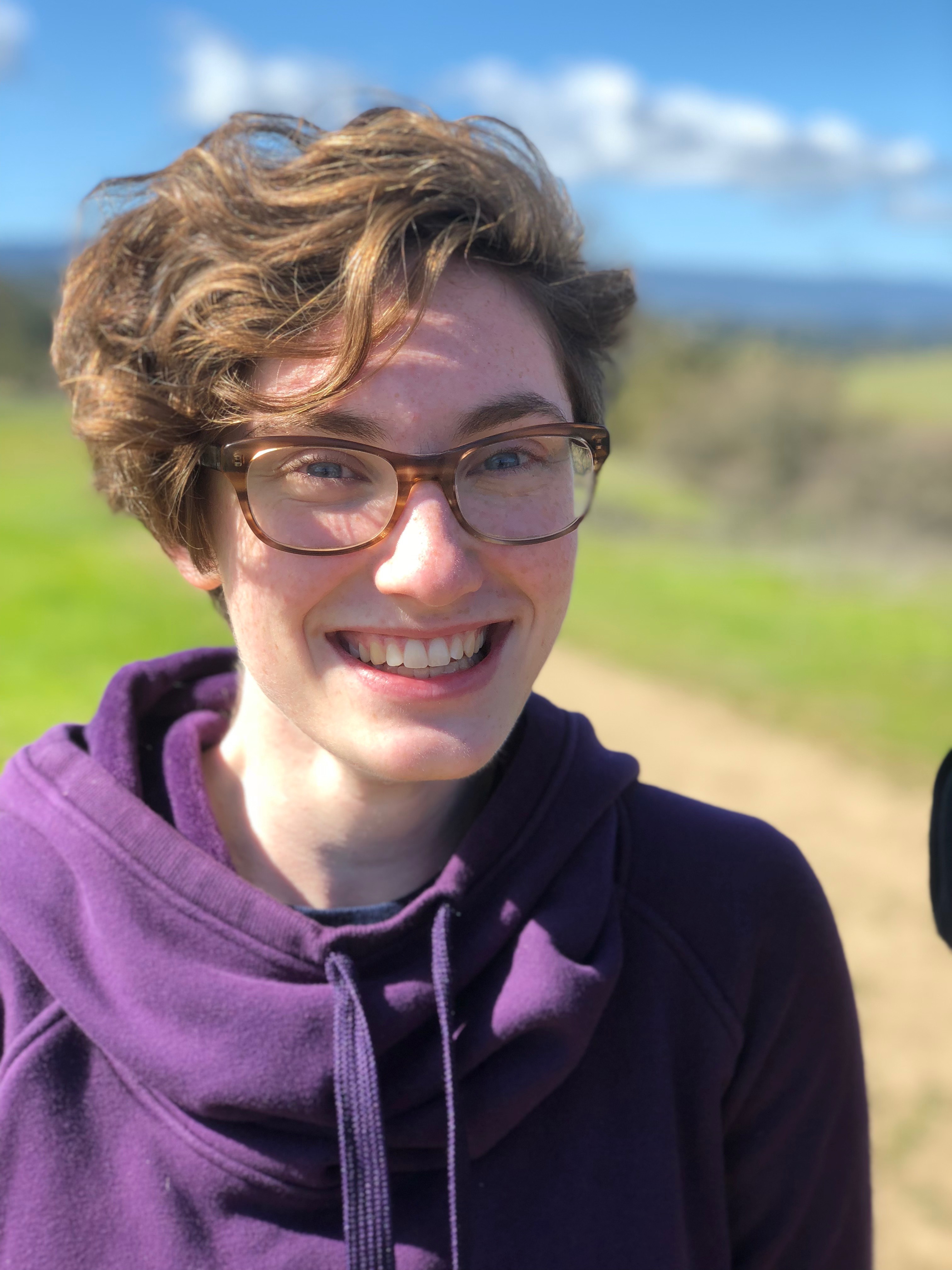
Sholem aleykhem! Ikh heys Simkhe—af english, Claire Breger-Belsky—and I’m delighted to introduce myself as In geveb’s new translations editor, following in Dalia Wolfson’s incredible footsteps.
In a coincidence of timing, my first encounter with In geveb came during my MFA in literary translation at the University of Iowa, where I spent a considerable portion of each week preparing for and attending multilingual translation workshops—that is to say, learning to think about, talk about, and edit translations, whether or not I knew the language from which they came. I had recently begun studying Yiddish at the Yiddish Book Center, and I found, on the pages of In geveb, enthralling new works in the bilingual format that I, as a language learner and translator (though not yet from Yiddish), particularly loved.
In the years since, I have worked with friends, mentors, and teachers, in classrooms and professional contexts, to learn how to turn hours-long workshop discussions into edits for publication, how to synthesize polyphonic debates into Microsoft Word comments and emails—skills I am excited to bring to my new role at In geveb. Editing is perhaps not universally loved by the edited, but I hope my own joy in the process can continue to foster both a space where translators keep exploring their own work and a Texts and Translations section full of exciting, compelling, and well-loved writing.
My own research currently focuses on Yiddish literature from Argentina (where I was lucky to live for most of the past year), especially theater, writing by women, works engaging their Spanish-speaking surroundings, and translations between Yiddish and Spanish. As a translator I gravitate toward poetry and drama—two genres that have most shaped my creative life outside of Yiddish.
I, like many, came to Yiddish years after much of its literature—though certainly not all!—was written, and it is often the work of translators, artists, and scholars that introduces so many of us to the true breadth, beauty, and surprises that Yiddish holds. I look forward to reading and sharing with In geveb’s audience not only works that speak to me but also those that reveal facets of the Yiddish world I might never have encountered on my own—pieces that remind us of the far-flung homes of Yiddish and the endless, diverse preoccupations of its writers.
We have recently reopened for translation submissions, and I’m excited to receive and read your submissions! We welcome translations of essays, articles, correspondence, poetry, children’s literature, manifestos, stories, and other short pieces, as well as excerpts of dramas, novels, and other longer works, from published or unpublished sources originally written in Yiddish and translated into English. You can read our submission guidelines here. Submissions should be accompanied by an introduction or translator’s note; you can find examples of the sort of introduction we’re seeking alongside previous translations published on In geveb. Translations undergo a lengthy review and editing process, and we appreciate your patience throughout.
I have long seen In geveb as a place where I hoped to publish or even work, sometime in the undefined future; I am happy now to make a home here with you, readers of and contributors to such a wonderful space.